
 2 months ago
60
2 months ago
60
ADVERTISE HERE
Economists say the scheme can help sustain available diesel supply by reducing leakages while Putrajaya works to diversify import sources.
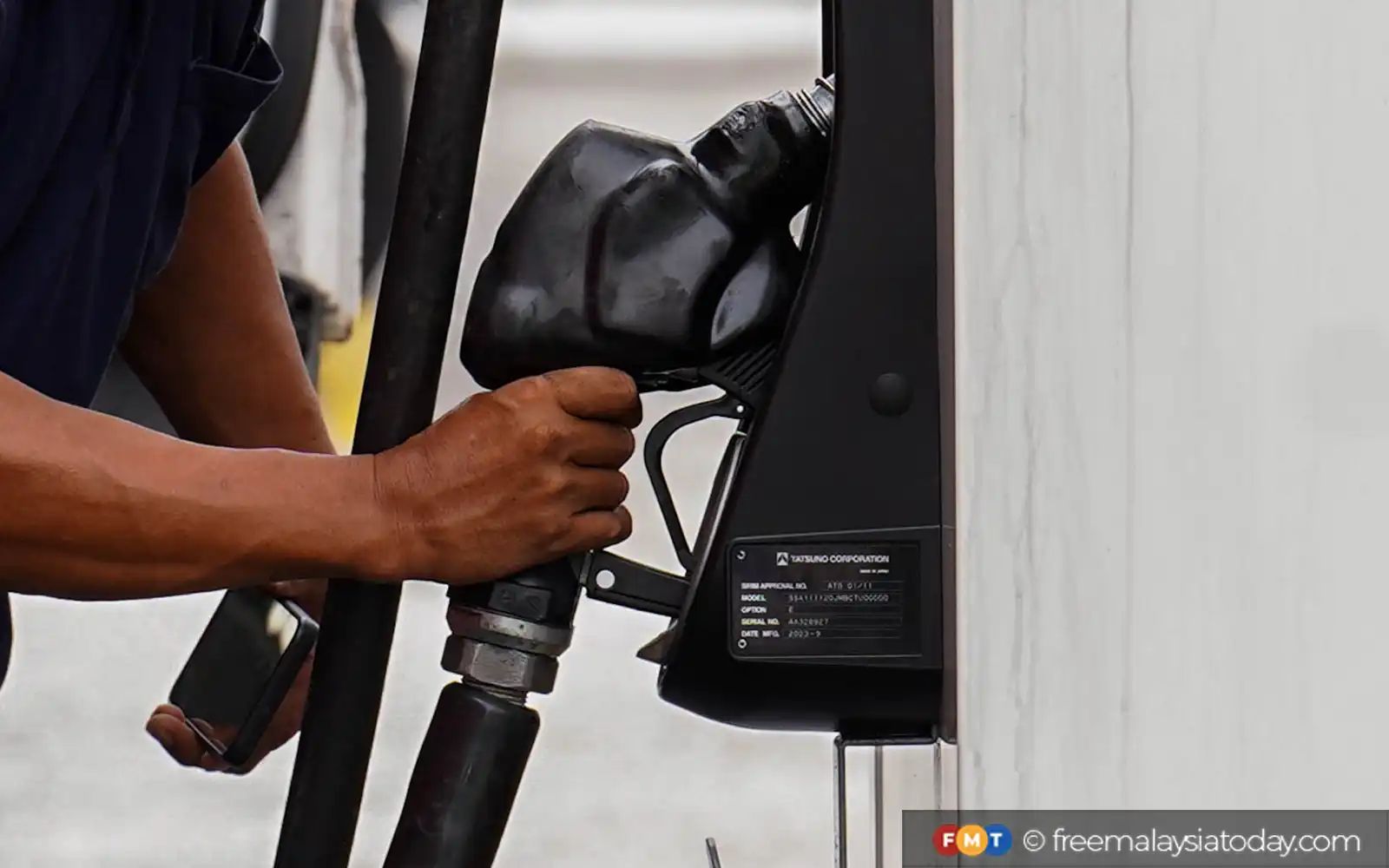
BUDI Diesel can help the government buy time to manage Malaysia’s fuel supply by preserving available stock and reducing diesel leakages amid a global supply crisis, economists said.
They said Petronas’ assurance that fuel supply would remain sufficient until the end of July drives home the point that Malaysia has a narrow window to safeguard existing stock as geopolitical tensions continue to disrupt global flows.
The economists said BUDI Diesel could help to curb leakages while Putrajaya works to expand import sources, citing Prime Minister Anwar Ibrahim’s recent visit to Russia.
Anwar was reported as saying that Russia had assured Malaysia of oil, gas and diesel supplies for at least the next 20 years under a long-term arrangement agreed to by Russian President Vladimir Putin during talks in Kazan.
Leakages put pressure on supply

Universiti Kebangsaan Malaysia lecturer Mustazar Mansur pointed out that geopolitical tensions had disrupted supply chains, pushed up fuel prices and increased pressure on fuel availability.
If left unchecked, he said, it could affect businesses and households, making it crucial for the government to ensure subsidised diesel reaches eligible users instead of being lost through leakages.
“This is why the government has tried to reduce leakages to those who are not entitled to subsidised fuel, especially foreigners, and smuggling activities at sea and along the borders, through the use of MyKad and integrated enforcement,” he said.
Mustazar said the blanket diesel subsidy previously provided in Sabah and Sarawak had resulted in serious leakages, making the old mechanism difficult to sustain during a global supply crisis.
“It cannot be sustained for long. If oil prices rise above US$100 a barrel, the government will have to bear around RM5 billion to RM7 billion a month. That is a very high cost.
“If this burden continues, the government will have to reduce spending in many areas, such as education, health and development projects,” he told FMT.
Sales data prompted quota system
It was previously reported that diesel sales at petrol stations in Sabah and Sarawak reached 200 million litres a month in March and April, double the expected level based on the number of registered diesel-powered vehicles.
In response, the government introduced a scheme allowing private diesel vehicle owners to buy up to 200 litres a month at RM2.10 per litre. The scheme took effect on July 1, with purchases to be made using the MyKad. Owners of pickups and jeeps may apply for an additional 100 litres.
Finance minister II Amir Hamzah Azizan said the quota was based on consumption data showing that 80% of diesel users consumed less than 200 litres a month, while 95% used less than 300 litres.
MyKad helps explain shift

Bank Muamalat Malaysia Bhd chief economist Mohd Afzanizam Abdul Rashid said the use of MyKad would help the government explain that the change was intended to make subsidies more targeted, not to withdraw assistance.
He said the mechanism was suitable because it had already been used in the implementation of BUDI Madani RON95, or BUDI95, which had run smoothly.
“Even with the use of MyKad, in principle it still has elements of a blanket subsidy, as high-income earners will also enjoy this subsidy,” he said.
Afzanizam said the government would eventually need to refine subsidy targeting by income to further reduce the country’s fiscal burden, but any follow-up measures should be introduced gradually.
Political risk in subsidy reform

Syaza Shukri of the International Islamic University Malaysia said the decision to retarget diesel subsidies showed the government was taking a political risk, as subsidy reforms usually attracted negative public perception.
“Usually, reforms like this are carried out early in the term when the government is still in its honeymoon period. But this time, it is being done mid-term and close to an election, so the risk is higher,” she said.
However, Syaza said the government had chosen fiscal discipline, which she said was in line with Pakatan Harapan’s economic reform agenda.
“If this government doesn’t do it, with a more fragmented political system, I’m not sure if future governments would want to look at these issues on energy subsidies,” she said.
She said that without subsidy controls, national spending could continue to rise, leaving a larger fiscal burden for future administrations.
Stay current - Follow FMT on WhatsApp, Google news and Telegram
Subscribe to our newsletter and get news delivered to your mailbox.






 English (US) ·