
 3 months ago
69
3 months ago
69
ADVERTISE HERE
 Uggah (left) showing the salt used for the CSO at the Kuching Air Base on June 19, 2026. Source: TVS
Advertisement

By DayakDaily Team
KUCHING, June 19: The Sarawak government is again implementing a cloud seeding operation (CSO) to increase water levels at major dams across the State, which have been affected by the recent hot and dry weather.
According to Deputy Premier Datuk Amar Douglas Uggah Embas, the three-day operation, which began today, followed concerns over water supply in several areas despite a similar operation being carried out in early May.
Advertisement

Among the affected areas are the Bakun Dam, Murum Dam, Bengoh Dam, and Batang Ai Dam, as well as several other water catchment areas, including Gerugu, Simunjan, Matang, and Kelalong.
“The current weather conditions are characterised by a hot and dry season, and I see that Sarawak is facing numerous water supply issues.
“As the situation has yet to improve, the Sarawak government has requested the National Disaster Management Agency (Nadma) to conduct another cloud seeding operation, and we greatly appreciate their efforts,” he said during a press conference on the CSO at the Kuching Air Base today, as reported by TVS.
Uggah, who also helms the Sarawak Disaster Management Committee (SDMC) as its chairman, said the CSO conducted in May produced positive results, particularly in Batang Ai, although challenges were encountered in Bakun.
“We need water levels in these areas to rise again, as Bakun, Murum and Batang Ai dams are key sources of our electricity generation, while several other areas serve as water reservoirs for the public’s clean water supply,” he added.
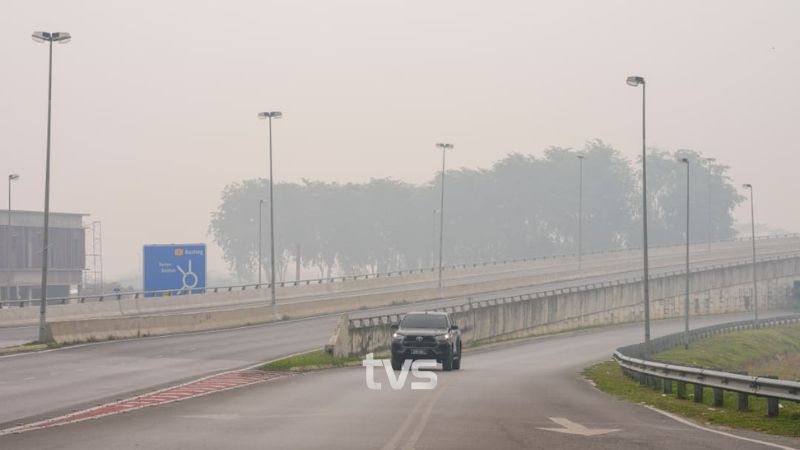
Meanwhile, Uggah said that as the hot and dry weather is expected to increase the risk of haze and fires in peatland areas across the State, the Department of Environment (DOE) and the Natural Resources and Environment Board (NREB) have been directed to deploy drone technology to monitor high-risk peatland areas.
He also said that all SDMCs at the divisional and district levels have been instructed to remain on alert in anticipation of any incidents arising from the increasing number of hotspots.
Uggah added that the government is also monitoring the air pollution index (API) and is on standby to activate existing standard operating procedures (SOPs) should air quality readings reach unhealthy levels.
“There are several areas classified as fire-prone zones, particularly in Kuala Baram. Since fires frequently occur there, we must remain constantly prepared.
“We are not only carrying out comprehensive monitoring but also ensuring that all infrastructure in these areas is in the best possible condition. For example, in Kuala Baram, we have tube wells, check dams, and watchtowers,” he said.
He explained that the tube well system developed in peatland areas has proven effective because water is sourced from underground reserves that still contain sufficient supplies, enabling flooding measures in affected areas to prevent fires from spreading further.
At the same time, he reminded the public to refrain from carrying out open burning and urged to report any fire incidents immediately. — DayakDaily




 English (US) ·