


 8 months ago
91
8 months ago
91
ADVERTISE HERE

Fadhlina said MoE will conduct a diagnostic test to assess various criteria, including the child’s psycho-emotional state. — Bernama photo
BINTULU (Jan 22): Preschool operators here have questioned the readiness of children to enter Primary 1 at age six from next year.
Prime Minister Datuk Seri Anwar Ibrahim made the surprise announcement when launching the National Education Blueprint 2026-2035 on Tuesday.

Maraini Jaafar
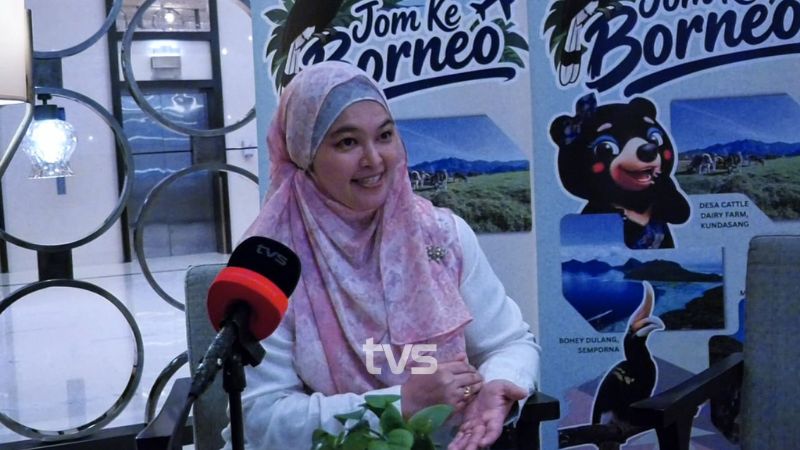
Bintulu Early Childhood Education and Childcare Operators Association chairperson Maraini Jaafar asked whether the decision was made based on collective agreement and consultations with parents, operators of nurseries and kindergartens, as well as relevant data from the Ministry of Education (MoE).
“We hope that the voluntary implementation in 2027 would not place undue pressure on parents, teachers and, most importantly, the children,” she said.
She pointed out that at present the education of children aged up to four are guided by the National Permata Curriculum at nurseries, while those aged four to six come under the purview of the Kindergarten Curriculum Framework 2026 (KP2026).
“These curricula were designed to strengthen learning foundations and prepare children for formal schooling at age seven.
“The level of readiness should not be viewed solely from a physical or academic perspective, but must also include emotional stability, confidence, and a sense of security among children, as developmental readiness varies from one child to another,” she said.
She also questioned whether primary school teachers are prepared to receive six-year-olds, who may not yet be fully independent and require more room for movement.
“Primary 1 at age six should only be for children and parents who are truly ready; and parents who choose to enrol their children at age seven should not be disadvantaged.
“The existing systems must be refined and adjusted holistically before full implementation, as every child’s level of readiness is different,” she opined.

Yusuff Ali
Tadika Hikmah Bintulu board chairman Yusuff Ali said lowering the age for Primary 1 entry must be carefully examined to avoid placing excessive academic pressure on children too early.
“Children development should not be rushed. Policies involving early entry into formal schooling need to prioritise emotional, social and cognitive readiness,” he said.
Kindergarten operator Sophia Laka said children benefit significantly from having sufficient time to develop emotionally, socially, and physically before entering a structured primary school environment.
“Starting primary school later enables children to build self-regulation, communication skills and resilience in a natural and supportive setting.

Sophia Laka
“These foundations are critical and should not be rushed, as doing so may lead to stress, disengagement and uneven development,” she said.
She stressed that preschool education is not about delaying learning, but about preparing children properly for the demands of formal education.
“When children are given the time they need in early years education, they tend to be more confident, adaptable, and better equipped to succeed once they enter primary school,” she said.
Sophia stressed readiness should be prioritised over age alone when discussing education policies.
“Policies and public discussions should focus on protecting children from premature academic pressure and ensuring that early education supports healthy, long-term development,” she added.
On Wednesday, Education Minister Fadhlina Sidek said only six-year-olds who are truly ready and pass a special assessment will be selected for the programme.
She said MoE will conduct a diagnostic test to assess various criteria, including the child’s psycho-emotional state.

 English (US) ·