


 7 months ago
38
7 months ago
38
ADVERTISE HERE
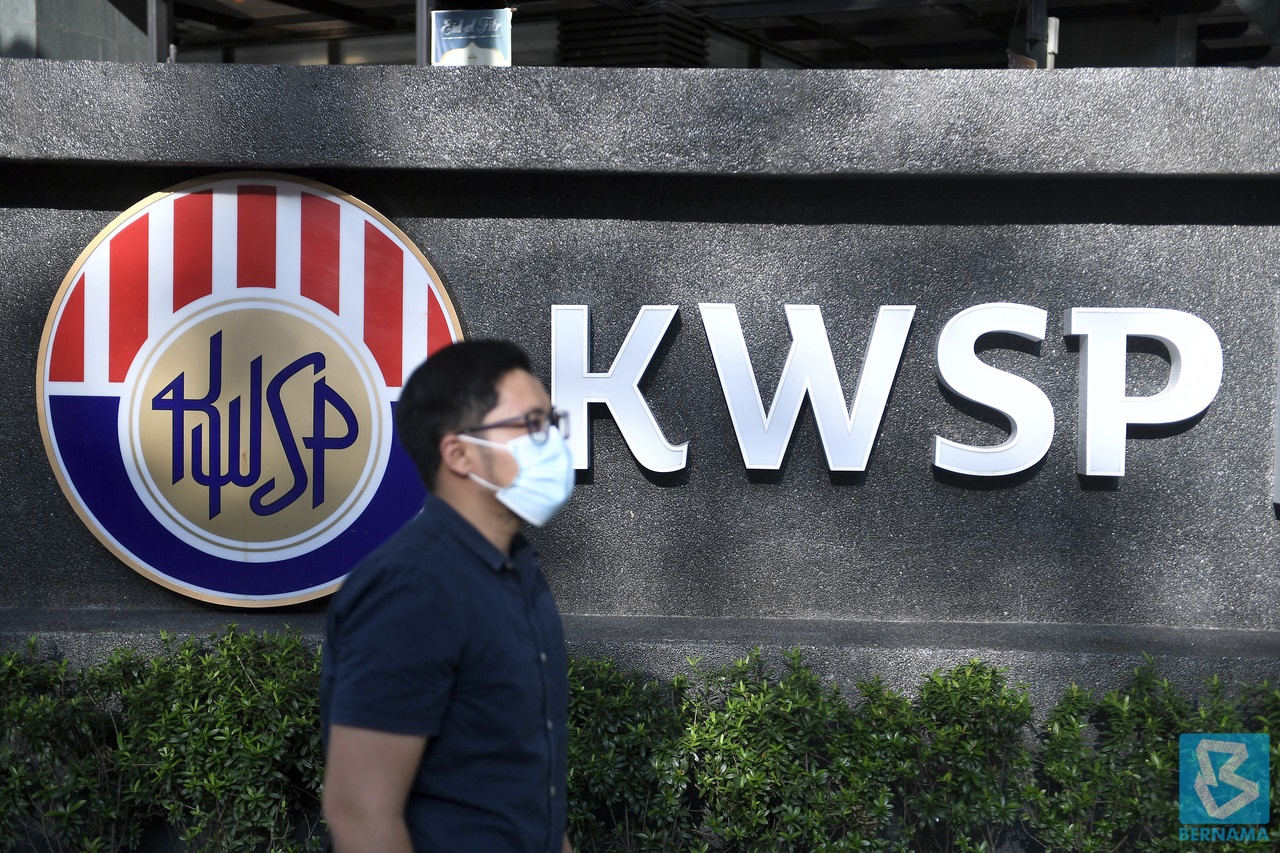
Kuching EPF contributors describe the 6.15 per cent 2025 dividend as stable but slightly below expectations, citing global market factors and currency movements. – Bernama file photo
KUCHING (March 2): Several Employees Provident Fund (EPF) contributors are hoping for a higher return despite acknowledging the stability of the 6.15 per cent dividend declared by the body for 2025.
When contacted by The Borneo Post on Sunday, they described the rate as reasonable, given current market conditions, but admitted they had anticipated a slightly stronger performance.

Rodney Frazer
Rodney Frazer said the dividend did not fully meet his expectations.
“In my opinion, it doesn’t meet my expectations. However, with the current challenging economic situation, I don’t expect a much higher rate. The rate given is standard enough,” he said.

Hassnal Hakim
Hassnal Hakim described the 6.15 per cent dividend as being within expectations, noting that last year’s dividend stood at about 6.3 per cent.
“Although there is a slight decline, the performance can still be considered stable and reasonable within the current market context. Naturally, as contributors, we always hope for a higher return. However, at the same time, a 6.15 per cent dividend remains competitive and reflects prudent and consistent fund management,” he said.

Ricky Sut
Ricky Sut also pointed out the marginal dip compared to the previous year.
“The dividend is slightly lower than the previous year’s 6.3 per cent, making this a modest decline rather than an improvement. Because of this drop, some contributors expressed disappointment, as many had expected a higher return given Malaysia’s stronger economic indicators in 2025,” he said.
Similarly, Catohrinner Joyce Guri said she had hoped for a slightly higher rate this year.
“However, I understand that dividend performance is influenced by broader economic conditions and investment returns,” she added.

Catohrinner Joyce Guri
On whether the dividend reflects the current economic situation, they had varying perspectives.
Rodney said the rate was reasonable given global and currency factors, noting that a significant portion of EPF’s assets is invested overseas.
“With current fluctuations, about 38 per cent of EPF’s assets are invested overseas. If the Malaysian ringgit strengthens significantly against the US dollar, the converted value of those overseas profits shrinks when brought back to Malaysia, which can lower the dividend rate,” he explained.
Hassnal said the dividend outcome was influenced by both domestic and global considerations.
“While the ringgit has shown signs of strengthening and several sectors indicate recovery, EPF’s dividend performance is influenced not only by domestic factors but also by international market fluctuations, global interest rates, overseas investment performance and overall investor sentiment,” he said.
Ricky said the dividend largely reflected prevailing economic conditions.
“It shows that economic growth does not always translate directly into higher investment returns,” he said.
Catohrinner added that a lower rate may reflect more challenging market conditions during the year.
On the restructuring of EPF accounts, they generally supported distributing dividends across all accounts rather than channelling them entirely into Account 3, which allows for more flexible withdrawals.
Rodney said EPF remains a form of forced savings for retirement.
“If the dividend is channelled entirely into Account 3, it will affect long-term savings, which goes against EPF’s financial goal. Distributing across all accounts is more appropriate,” he said.
Hassnal said a balanced approach was necessary.
“Distributing dividends across all accounts maintains a balance between long-term retirement savings and short-term flexibility. However, accessibility should not compromise EPF’s primary objective as a retirement savings instrument,” he said.
Ricky echoed similar sentiments, saying distributing across accounts preserves long-term security while maintaining some flexibility while Catohrinner suggested allocating a portion to Account 3 could provide immediate benefit.
“While saving for retirement is very important, having some flexibility to access part of the dividend earlier could help members manage their current financial needs,” she said.







 English (US) ·