


 8 months ago
87
8 months ago
87
ADVERTISE HERE

Abg Jo and the PM, a case of skill and diplomacy in state-federal relations. – Bernama photo
 The post-GE17 Sabah state government should now put on the thinking cap and rewire its policy on state-federal government to adjust towards optimum results for substantial development.
Sabah has long struggled to manage its relationship with the federal government in a way that truly protects its interests. These issues are often discussed using emotional language and political slogans.
However, Sarawak offers a clear example of a different and more effective approach. Sarawak has strengthened its position within the Malaysian federation not by being loud or confrontational, but by being calm, strategic, and institutionally strong. For Sabah, the lesson is not to copy Sarawak’s words, but to learn from its methods.
The first change Sabah must make is in attitude and strategy. Sarawak never presents itself as a weak or neglected state asking for help. Instead, it behaves as a confident partner that understands its constitutional position. Sabah, by contrast, often focuses on complaints about past neglect. While these concerns may be valid, repeating them publicly reduces Sabah’s bargaining power. To follow Sarawak’s example, Sabah must deal with the federal government in a firm but professional manner, treating Putrajaya as a negotiating partner bound by agreed terms, not as a giver of favours.
A major reason for Sarawak’s success is its handling of the Malaysia Agreement 1963 (MA63). Sarawak does not treat MA63 as a political slogan to be raised only during elections. Instead, it has built MA63 into its daily governance. Laws, policies, and administrative decisions are shaped around MA63 principles. Sabah should take the same approach by creating a permanent MA63 institution supported by legal experts and senior civil servants. When MA63 becomes part of routine governance, federal agencies find it harder to ignore or bypass it.
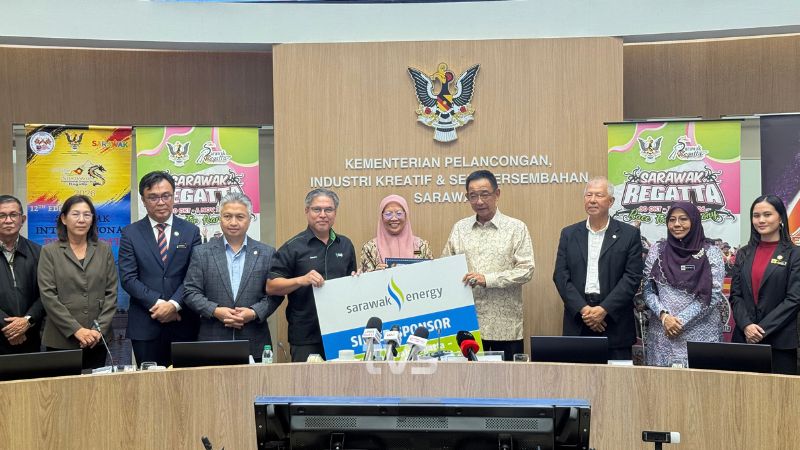
Sarawak also understood that political rights have little meaning without economic strength. Before pushing strongly for greater autonomy, Sarawak focused on gaining control over key economic sectors, especially energy. By insisting on state participation and ownership rather than depending only on royalties, Sarawak created real leverage. Sabah should strengthen its own state-linked companies, particularly in energy and infrastructure, so that negotiations with the federal government are supported by economic facts and revenue control, not just political arguments.
Unity is another key lesson. Sarawak speaks with one voice when dealing with the federal government, regardless of which political party is in power at the centre. Federal relations are handled above party politics. Sabah, however, is often divided, with different leaders and parties making separate approaches to Putrajaya. To emulate Sarawak, Sabah should establish a permanent, cross-party council to manage federal relations, ensuring that Sabah’s interests remain consistent and are not weakened by internal political competition.
The way Sabah presents its demands is also important. Sarawak avoids emotional or confrontational language. It frames its position in clear legal and administrative terms, focusing on constitutional responsibilities and agreed arrangements. This makes its demands harder to dismiss. Sabah would benefit from adopting the same style, training its leaders and officials to explain state rights clearly, calmly, and firmly using constitutional language rather than emotional appeals.
Under the dynamic and wise leadership of Abang Joe, Sarawak also maintains strategic flexibility in federal politics. It does not give unconditional support to any federal coalition. This gives Sarawak leverage, as its support must be negotiated and earned. Sabah has often weakened its own position by offering automatic loyalty to federal governments. The Sabah government should pick more courage and pull up its socks, and for effectiveness, adopt a sustained approach of making support to the federal government conditional on real progress in restoring Sabah’s rights and fulfilling MA63 commitments.
Finally, Sarawak supports its political position with strong institutions. Its legal teams, civil service, and policy units have the skills and authority needed to negotiate, monitor, and enforce agreements. Sabah must invest seriously in building similar capacity. Without strong institutions, even well-negotiated gains can fail during implementation.
In essence, Sarawak did not ask for special privileges. It simply insisted that the original agreements be honoured. Sabah does not need to demand more than what was agreed in 1963. What it needs is to make those agreements normal, unavoidable, and consistently enforced. Sarawak’s experience shows that in federal politics, the centre responds less to anger and emotion, and more to clarity, consistency, and institutional strength.
The next five years of Sabah state government must demonstrate a changed tempo in steps toward real and tangible progress in development as the Chief Minister had pledged, yet ensuring it won’t be to urban-centric and apparent lack of focus on the poverty-ridden interior regions.






 English (US) ·