


 8 months ago
69
8 months ago
69
ADVERTISE HERE
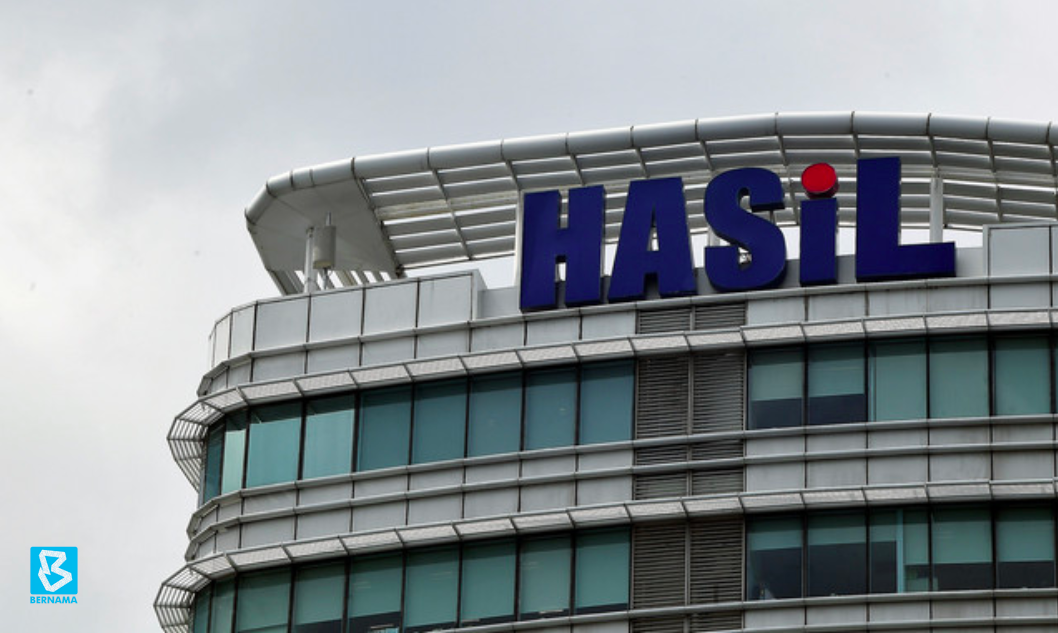
The LHDN headquarters in Cyberjaya. – Bernama photo
KUCHING (Jan 7): Industry groups have broadly welcomed the government’s decision to postpone mandatory e-invoicing for companies with annual sales of between RM1 million and RM5 million by one year, describing the move as a pragmatic response to the operational realities faced by small and medium enterprises (SMEs), particularly those in East Malaysia.
The postponement, which was announced on Jan 5, comes after growing industry criticism that earlier adjustments to e-invoicing, including raising the exemption limit from RM500,000 to RM1 million, offered only limited practical relief due to structural conditions and compliance spillovers, as highlighted in a recent report by The Borneo Post.
‘A welcome breathing space’
The SME Association of Sarawak president Jordan Ong Chung Siang said the delay reflected a “pragmatic and responsive approach to the realities faced by SMEs, especially those operating outside major urban areas.”

Jordan Ong Chung Siang
That said, Ong stressed that SMEs were not resistant to digitalisation and remained broadly supportive of the government’s digital agenda.
“While SMEs recognise the long-term benefits of e-invoicing in enhancing transparency, efficiency and tax compliance, many businesses are still at varying stages of digital readiness.
“In Sarawak, a significant number of SMEs operate in semi-urban and rural areas where access to digital infrastructure, system providers, trained personnel and support services remains low.
“The additional time will allow these businesses to better plan, budget and prepare for a smoother transition,” Ong said in a statement to The Borneo Post.
Ong stressed that the additional time was essential, as the move to e-invoicing represented a structural shift rather than a simple technical upgrade.
He noted that for many SMEs, e-invoicing involved system integration, process redesign, staff training and additional compliance costs—all of which will come at a time where businesses are already grappling with rising operating expenses and cash-flow constraints.
Sharing a similar sentiment, Datuk Sim Kiang Chiok, advisor to the Sarawak Housing and Real Estate Developers’ Association (Sheda), described the deferment as a timely and responsible decision, particularly for SMEs in the construction and building sectors.

Datuk Sim Kiang Chiok
“While I fully acknowledge that e-invoicing is an important step towards greater transparency, efficiency and digitalisation of Malaysia’s tax ecosystem, many SMEs simply do not yet have the capacity to absorb the immediate costs and operational disruptions associated with e-invoicing,” he said.
Sim noted that smaller contractors typically operate with lean administrative structures and may find themselves with significant financial commitments in the form of accounting system upgrades or replacements, consultancy fees, staff retraining and the hiring of additional manpower to meet compliance.
“Imposing a complex digital reporting requirement too quickly may inadvertently shift their focus away from productivity, project delivery and workforce management,” he stressed.
Ong also cautioned that rushed implementation could lead to operational disruptions, compliance errors and unintended penalties, which could potentially undermine confidence in the system itself.
“A well-prepared SME ecosystem will ultimately lead to higher compliance rates, better data quality and a more effective rollout for all stakeholders,” he said.
Sim added that the deferment was especially timely, given the cumulative compliance burden currently faced by SMEs from the new stamp duty requirements, foreign worker levies, worker housing obligations, data protection compliance and occupational safety regulations.
“Individually, each policy may be justifiable, but collectively they place a heavy administrative and financial load on small businesses,” he said.
‘Transition period, not delay’
Both industry representatives also stressed that the one-year deferment of the e-invoicing mandate towards SMEs should be treated as a transition period rather than a delay.
“This transition period should be used for meaningful engagement, targeted training and realistic implementation planning,” Sim said, adding that reforms are more sustainable when SMEs are adequately prepared rather than being overwhelmed by simultaneous regulatory demands.
Ong also urged the government and relevant agencies to productively utilise the transition period through the strengthening of support mechanisms for SMEs such as clearer and simplified guidelines, hands-on training programmes across all regions, including East Malaysia, and access to affordable or subsidised e-invoicing solutions tailored to SME needs.
At the same time, Ong urged SMEs that are already digitally prepared to get a head start and voluntarily adopt e-invoicing during this transition period.
Overall, the postponement reflected concerns raised earlier by industry observers that headline thresholds alone were insufficient if implementation timelines did not adequately account for the operational capacity of SMEs, particularly among low-margin sectors or those operating outside major urban centres.
While the latest move has been welcomed as a step in the right direction, industry groups maintained that continued engagement with business associations and local communities was critical to ensure that the eventual rollout balanced national digitalisation goals with the operational realities of SMEs.






 English (US) ·