
 4 months ago
145
4 months ago
145
ADVERTISE HERE
Malaysia must stop building more urban highways which are costly and do not solve traffic congestion.

Malaysia’s public transport is often framed as a story of steady progress—new rail lines, expanding networks, and ambitious transit-oriented development.
Yet this narrative is, at best, incomplete, and, at worst, politically convenient.
It captures the Klang Valley, and perhaps soon Penang, but it fails to reflect the everyday reality faced by most Malaysians.
Beyond these two regions, public transport is not merely underdeveloped, it is structurally neglected.
State capitals such as Ipoh, Kuala Terengganu, Kota Bharu, and even rapidly growing cities like Kuantan and Johor Bahru lack integrated, long-term mobility plans.
In East Malaysia, the disparity is starker still. Sabah and Sarawak—despite their vast geography and significant contribution to federal revenues, remain largely excluded from serious, sustained public transport investment.
This is not an oversight. It is a policy choice that has failed us at every turn, corner and direction.
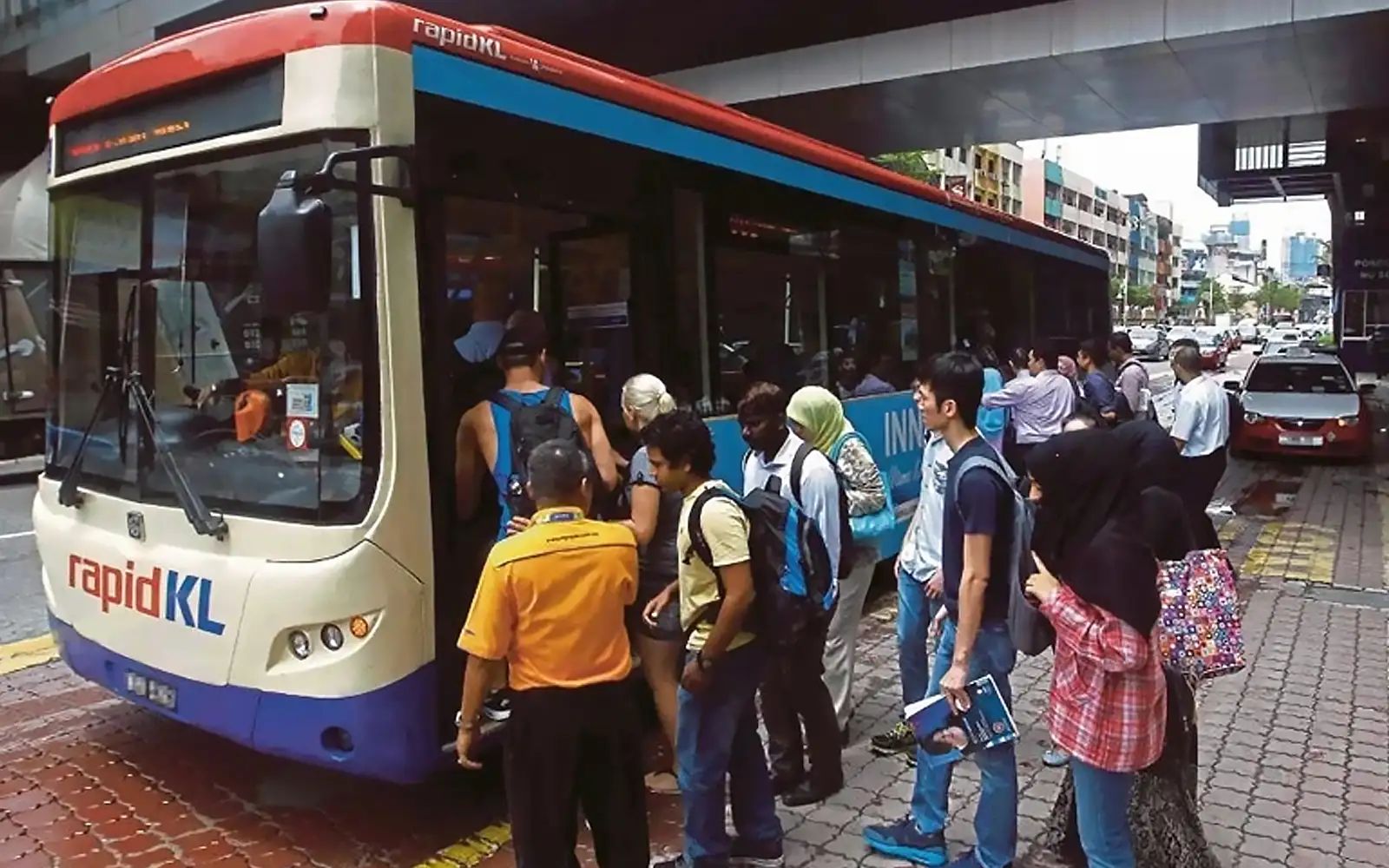
Federal transport spending has consistently prioritised large-scale rail projects in the Klang Valley, from MRT to LRT expansions, while other regions rely on limited stage bus lines with declining ridership and poor service reliability.
According to available transport statistics, over 70–80% of public transport ridership is concentrated in the Klang Valley alone, an imbalance that mirrors where investment flows.
The justification is often framed around demand. But demand does not emerge in a vacuum—it is created, shaped and sustained by policy.
Car-centric policies
For decades, Malaysia has pursued a car-centric development model.
National industrial policy aggressively promoted car ownership through Proton and Perodua, while fuel subsidies, particularly for RON95, have kept driving artificially cheap.
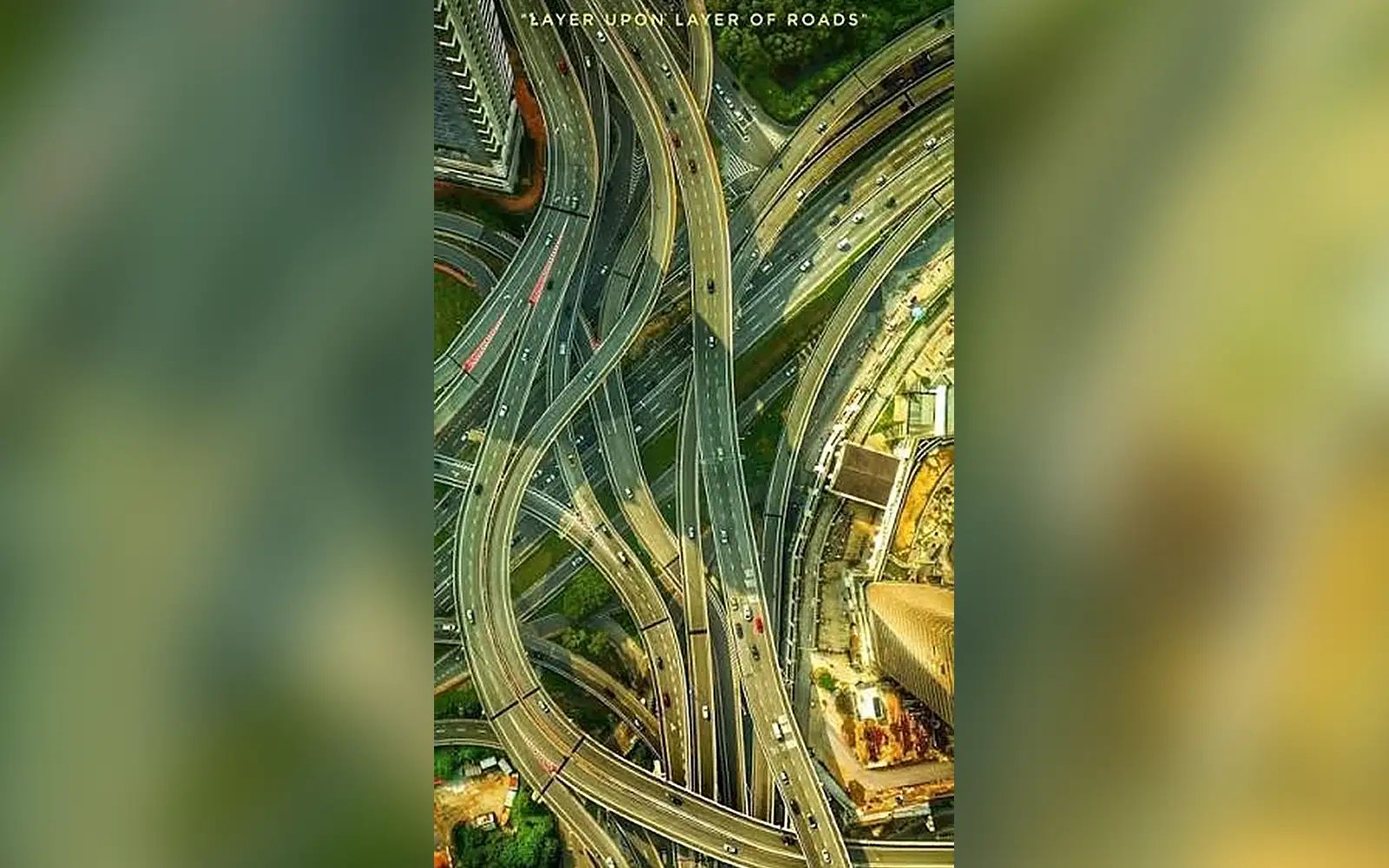
At the same time, billions have been poured into highway expansion—including elevated urban expressways that slice through Kuala Lumpur in the name of development and easing congestion.
The reality and numbers tell a blunt story.
Malaysia’s car ownership rate exceeds 900 vehicles per 1,000 people—one of the highest in Asia, approaching levels seen in developed economies. The difference is that each of those developed countries boasts an extensive public transport network; we don’t.
Instead, we have household debt tied to vehicle financing, which also remains among the largest components of consumer credit.
In many urban households, owning two or three cars is no longer exceptional, it is expected.
This is not organic behaviour. It is engineered dependence on car ownership and with it, unlimited and unrestricted usage.
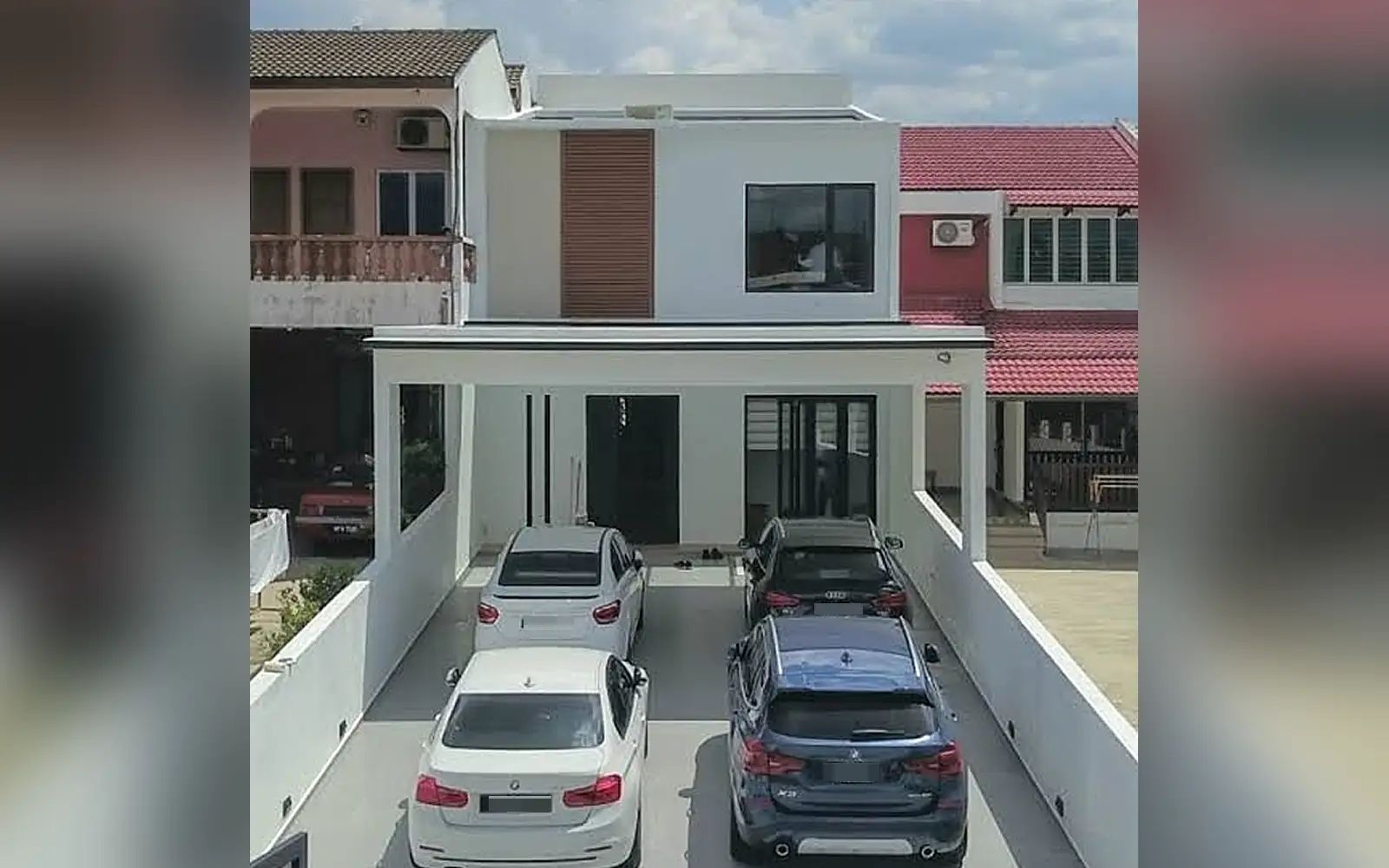
Yet cars are depreciating assets that impose recurring costs—fuel, tolls, maintenance, insurance—while delivering diminishing returns in increasingly congested cities.
Klang Valley commuters routinely spend hours in traffic despite decades of highway building.
The promise that more roads will reduce congestion has proven repeatedly false; instead, it has induced more traffic, more sprawl, higher cost, and resulted in more inequality.
Because at its core, this is not just a transport issue, it is a question of equity.
A car-centric system creates a two-tier society. Those who can afford private vehicles enjoy mobility, access, and time savings.
Those who cannot—lower-income workers, students, the young graduates, the housewives and the elderly—are left with fragmented, unreliable, and often inaccessible public transport options.
In many parts of the country, the absence of viable alternatives effectively locks people out of economic opportunity.
Mobility, in Malaysia today, is increasingly a function of income.
This is where the policy contradiction becomes impossible to ignore. The government continues to subsidise fuel, costing billions annually, while under-investing in public transport outside a few city corridors.
In effect, the government is promoting affordability on one hand while entrenching long-term inefficiency and inequality on the other.
You cannot claim to support the rakyat while designing a system that forces them into car ownership just to participate in daily life.
Fully-funded plans
If Malaysia is serious about inclusive growth, then transport policy must be reset at a structural level.
First, every state capital—not just Kuala Lumpur and Penang—must have a fully-funded, integrated public transport masterplan, anchored in realistic demand projections and land use planning.
Second, federal funding must be rebalanced.
This does not mean neglecting the Klang Valley; rather, it requires acknowledging that Johor Bahru, Kuching, Kota Kinabalu, and countless other cities and towns are not peripheral.
They are integral to Malaysia’s economic future. As such, they should have the same public transport infrastructure as a catalyst to employment opportunities and economic growth.
Third, fuel subsidies must be gradually rationalised and eventually removed, with clear reinvestment into public transport systems. Subsidising petrol while asking people to shift to buses and trains is not policy, it is contradiction.
Fourth, Malaysia must move away from highway-led solutions and invest in multimodal systems: high-frequency bus rapid transit systems (called BRT), regional rail and reliable commuter services, as well as first/last-mile connectivity with better urban design that supports mobility.
Finally, demand management can no longer be avoided. Unlimited car ownership in dense urban areas is neither efficient nor sustainable.
Other global cities, from Singapore to London to New York, have shown that managing car usage via congestion charge is not anti-growth; it is effective and pro-efficiency.
Those who can afford to own multiple cars must be made to pay for the road space they use, as well as allocation of car parking bays in urban centres. Funds collected should go to pay for public transport as an alternative mode for mobility.
This “transport reset” is necessary for the sustainable environment of the future generations.
None of this is politically easy. However, the alternative is far worse.
A nation that concentrates mobility in a few corridors while leaving the rest behind is not developing, it is dividing.
And a transport system that privileges cars over people will, over time, undermine both economic productivity and social cohesion.
Malaysia is not short of plans, blueprints or ambition. What it lacks is the political will to confront an uncomfortable truth.
The current system is not just inefficient. It is inequitable by design. It needs a comprehensive reset.
The author can be reached at: [email protected].
The views expressed are those of the writer and do not necessarily reflect those of FMT.
Stay current - Follow FMT on WhatsApp, Google news and Telegram
Subscribe to our newsletter and get news delivered to your mailbox.





 English (US) ·