


 1 month ago
38
1 month ago
38
ADVERTISE HERE
By Dr. Jeff Lim
Somewhere inside your body, right now, there is a repair crew on call. It doesn’t clock out, doesn’t take weekends, and has one job — to find damage, and fix it. Scientists call them stem cells.
You can think of them as your body’s original construction workers, the ones who built you from a single cell into a fully formed human being, and who are still on-site decades later, patching up wear and tear.
Most people have heard the term but far fewer know it’s actually one of the most established fields in modern medicine — not a fringe idea, not a new trend, but something hospitals have quietly relied on for half a century. And fewer still have stopped to ask what it means for their own body, today.
The Blueprint Behind Every Organ
Every organ in your body — your heart, liver, skin, and joints — began as a small group of unspecialised cells that had yet to develop a specific function. This is the defining trait of a stem cell: it can still transform into almost any cell the body needs — a muscle cell, a blood cell, or a nerve cell. In many ways, it is nature’s blank canvas.
As we grow older, our body stores a smaller reserve of these cells on standby, tucked away in places such as bone marrow and fat tissue, ready to be dispatched whenever there is an injury to heal or worn-out tissue to replace. In your twenties, this crew is large, fast, and efficient. By your forties and fifties, the numbers start thinning out — and the ones still on duty move a little slower.
This is where the story becomes personal for those reading this. Conditions that tend to show up later in life — high blood pressure, high blood sugar, joint pain, fatigue that won’t lift no matter how much you sleep — are not random misfortune.
Nobody sends you a notification saying “your repair crew is down 40% this year.” You just start noticing you don’t bounce back the way you used to. A late night costs you two days, and a minor injury takes a month to heal instead of a week. That is the repair crew, working with fewer hands and less energy.
Not new — just new to the conversation
Here’s what surprises most people: stem cell science isn’t a recent breakthrough. Bone marrow transplants — which are, at their core, a form of stem cell treatment — became an established therapy for blood cancers such as leukaemia in the 1970s.
For more than fifty years, doctors around the world have used a patient’s own stem cells, or those from a donor, to rebuild damaged blood and immune systems from the inside out.
That history matters. It means the science behind the buzzword isn’t experimental guesswork — it is backed by decades of clinical use, refinement, and established hospital protocols. What has changed isn’t whether the underlying biology is real. What has changed is who has access to it, and how early in the ageing process people are beginning to pay attention to it.
From hospital wards to everyday vitality
For a long time, stem cell treatment stayed inside the walls of cancer wards — reserved for the most serious, life-threatening cases. Over the past two decades, the same underlying science has moved into far broader territory: sports medicine, joint and orthopaedic recovery, post-surgery rehabilitation, and general vitality and healthy-ageing care.
You’ve likely seen the headlines without connecting the dots — professional athletes flying overseas for regenerative treatment after a career-threatening injury, executives and public figures quietly investing in longevity clinics, wellness retreats built entirely around cellular health. This isn’t a coincidence. It’s a field maturing, and the people with the most to lose — their bodies being their livelihood — are the ones paying attention to it earliest.
What ‘supporting’ your repair crew actually means
This is the part that matters most, and it’s where most casual explanations stop short. A repair crew, however skilled, can only do its job with the right materials, the right conditions, and enough of its own numbers left to do the work. Chronic stress, poor sleep, inflammation, and the natural decline of your own stem cell reserves over time all quietly work against it — regardless of how good your intentions are.
This is why the modern, global shift in this field isn’t only about treating a crisis after it happens — it’s about giving your body’s existing regenerative systems better conditions to keep doing the job they were built to do, for longer, and understanding where your own reserves currently stand. That starting point is different for every single person, which is exactly why it has to begin with real information about your own body, not a general assumption borrowed from someone else’s story.
That real information starts in one place: your blood work. Your blood markers are the closest thing you have to a status report from your own repair crew — inflammation levels, organ function, blood sugar trends, and more all tell a story about how well-supported your body’s regenerative capacity currently is, long before a bigger problem makes itself known.
Knowing your own numbers
Most people will read this, nod along, and return to their day without ever finding out where they personally stand. That’s the difference between knowing the science exists and knowing what it means for you.
The people who tend to age well, recover well, and stay ahead of chronic health challenges are rarely the ones who knew more — they’re simply the ones who asked earlier.
You don’t need to make any decisions today. You just need one honest conversation and a proper look at your own blood work — the same starting point every informed health decision should begin with. — TVS
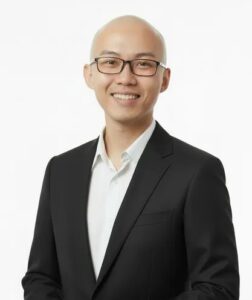 Dr. Jeff Lim
Affectionately known as Dr. Jeff, he is a health and wellness consultant based in Sarawak, with years of experience helping individuals understand stem cell science and its role in supporting long-term health and vitality. Dr. Jeff has guided hundreds of individuals — from business leaders to government officials — through personalised health assessments, helping them make informed decisions about their wellness journey. His approach combines science-based education with a genuine, personal commitment to each client’s wellbeing.







 English (US) ·