


 1 hour ago
9
1 hour ago
9
ADVERTISE HERE
MIRI, Oct 10: Energy subsidies and investments in electric grid infrastructure must move together to protect people from global energy price uncertainty as well as strengthen Malaysia's long-term economic competitiveness.
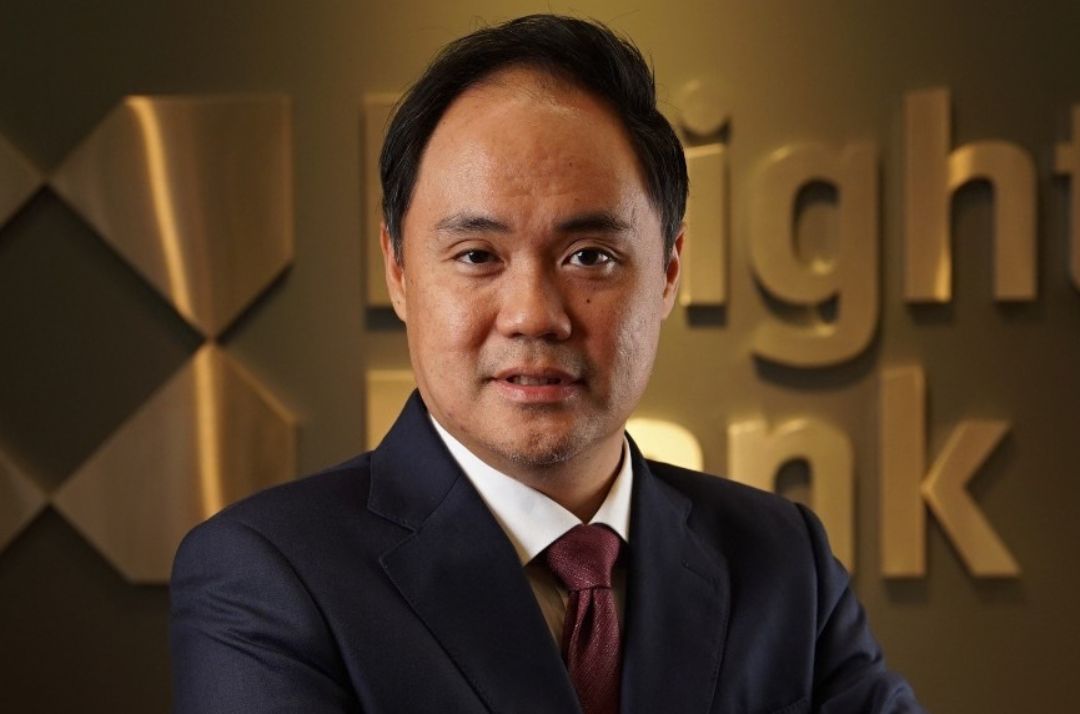
Senior lecturer in Economics, Faculty of Economics and Business at the University of Malaysia Sarawak (UNIMAS), Dr. Dzul Hadzwan Husaini said that energy subsidies remain an important instrument of the government to mitigate the impact of rising energy prices on households, businesses and industrial sectors.
He argued that geopolitical uncertainty, particularly conflict in Western Asia, could potentially trigger global energy price fluctuations that could increase transportation, production and distribution costs.
"Energy subsidies are able to help control inflationary pressures in the short and medium term, thereby reducing the risk of increasing business operating costs being transferred to consumers.
"In a context of global economic uncertainty, energy subsidies are still needed to protect people's purchasing power and keep economic activity going, as long as the country's fiscal position can be properly managed", he said in a statement today.
However, he believes that energy subsidies should not be considered a permanent solution as large spending commitments could potentially put pressure on the government's financial position if global energy prices remain high.
In this regard, the government should continue to improve subsidy allocation, assess spending priorities and strengthen revenue quotas in order to ensure the country's fiscal stability in the long run.
I'm going to see Dr. Dzul Hadzwan also stressed that the price pressure of goods and services is not only affected by energy costs, but also related to market structure as well as pricing power by firms.
He said that raising the minimum wage to RM2,000 and adjusting certain salary structures could also potentially increase the operating costs of some businesses, although the measures aimed at improving worker welfare.
"The government should not only pay attention to energy subsidies, but also ensure healthy market competition and monitor pricing behaviour so that the benefits of subsidies as well as increased incomes of workers are not weakened by rising prices of goods and services", he said.
Energy security reinforcement electricity grid investment
In the meantime, Dr. Dzul Hadzwan said the government's investment to strengthen the national electricity grid and enhance regional energy cooperation is an important strategy for improving Malaysia's energy security and economic competitiveness.
According to him, energy security not only ensures adequate supply but also includes the ability to provide stable, affordable and easily accessible energy for households and industrial sectors.
He said the development of electricity grid infrastructure and regional cooperation through initiatives like ASEAN Power Grid has the potential to diversify energy supply sources, increase reliability of power systems and reduce exposure to geopolitical risks.
"Sustainable electricity supply and competitive energy costs are among the key factors in attracting investment, especially for manufacturing, semiconductor and data centers sectors that require continuous power supplies", he said.
The measure is also important to support the development of an industrial sector that requires stable electricity supply and competitive energy costs.
However, he reminded that increasing clean energy consumption does not necessarily reduce dependence on fossil fuels automatically.
Obviously, the rebound effect phenomenon can occur when increased efficiency or reduced energy costs push consumers and industries to increase energy consumption, thereby reducing some of the expected savings.
Moreover, increasing renewable energy capacity does not necessarily reduce the consumption of fossil fuels absolutely if overall energy demand continues to increase as economic developments continue.
"Therefore, the effectiveness of energy investments should be assessed on the basis of actual results, including the ability to stabilize electricity costs, increase energy efficiency and reduce dependence on fossil fuels", he said.
Commenting on the overall approach of Budget 2027 in the energy sector, he said that energy subsidies serve as a mechanism for economic protection in the short and medium term, while electricity grid investments and regional energy cooperation are long-term strategies to increase the resilience of the country to global energy price shocks.
He said the two approaches should be implemented in a balanced manner to develop a more stable, efficient, competitive and resilient national energy system against future geopolitical uncertainty. - TVS






 English (US) ·