


 57 minutes ago
5
57 minutes ago
5
ADVERTISE HERE
KUCHING: Expediting approvals and implementation arrangements for the Baram Integrated Solar project within the Baram Renewable Energy Economic Zone (BREEZ) is crucial to unlock potential private investment and accelerating rural economic development.
Telang Usan assemblyman, Datuk Dennis Ngau said the project could become a major economic catalyst for northern Sarawak, creating employment, developing local talent and supporting the growth of renewable energy infrastructure in the Baram region.
He said the initiative aligned with the state’s economic diversification agenda and efforts to narrow rural development gaps by creating new economic opportunities within local communities.
“Sarawak is preparing for this future through the 13th Malaysia Plan (13MP). During the 13MP launched, the Premier Datuk Patinggi Tan Sri Abang Johari Tun Openg explicitly named the BREEZ as a key engine of economic growth in northern Sarawak-located within the constituency of Telang Usan.
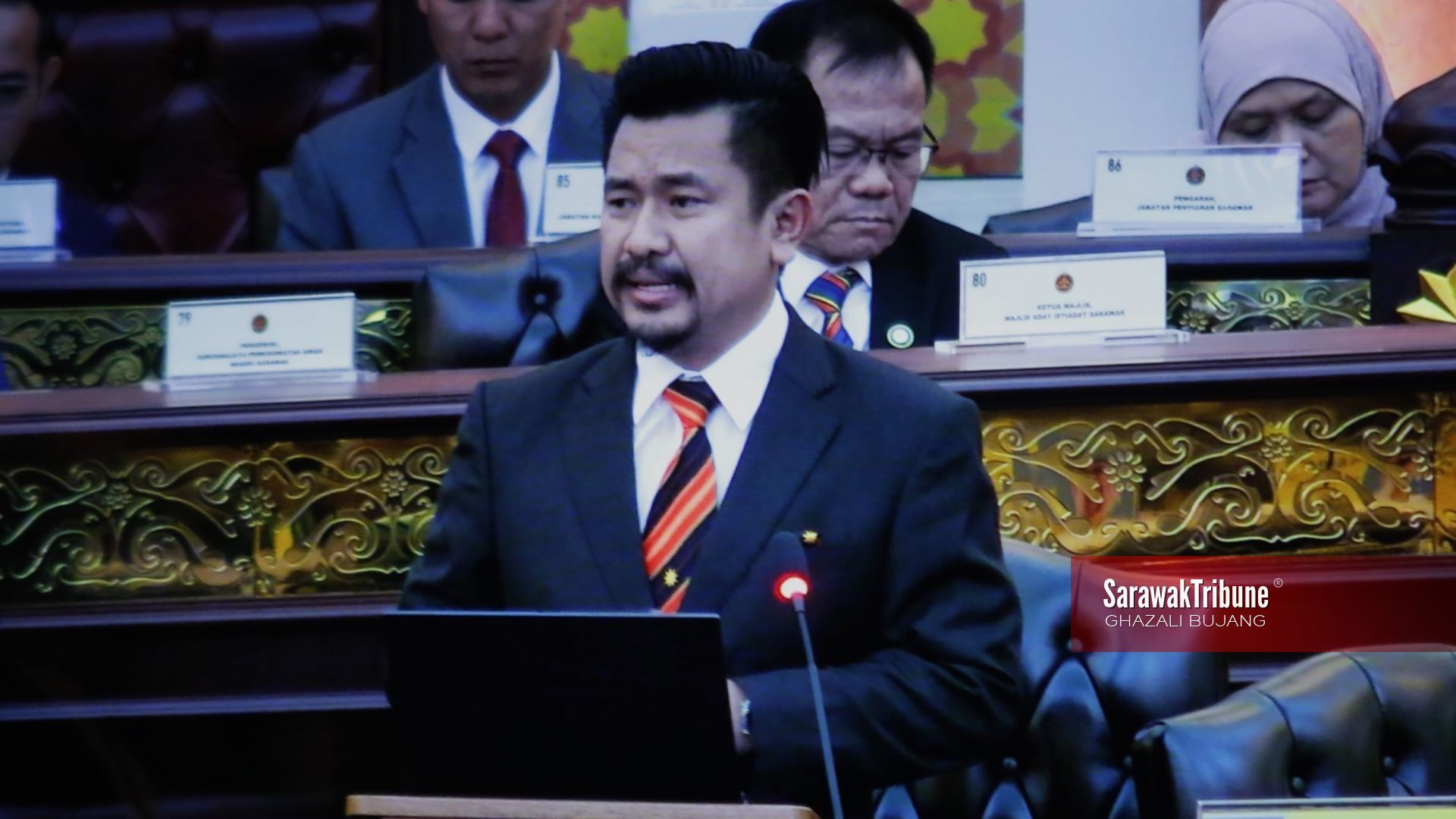
“Telang Usan is perfectly poised to be the foundation of this roadmap because we possess vast areas of land with solar irradiance 15 to 25 percent higher than many other places in Sarawak,” he said when debating the Supply (2027) Bill, 2026 during the State Legislative Assembly (DUN) Sitting today.
He said Telang Usan was well-positioned to support the development, particularly through its potential for solar energy generation and the proposed Baram Agrovoltaic Development in Temala, Long Lama.
However, he stressed that the project’s success depended on resolving infrastructure requirements, particularly the proposed Line-In-Line-Out (LILO) substation in Temala to facilitate the transmission of electricity generated by the development into the state grid.
Dennis said the project proponent had been informed that economic justification was required before approval could be granted for the substation.
He questioned the need for further justification, pointing to the scale of the proposed private investment and the RM3.8-billion state investment in the Miri-Marudi-Mulu-Long Panai-Long Lama (3M2L) road network.
“The LILO substation in Temala will be 100 per cent paid for by the private sector. I humbly urge the relevant ministries to clear the administrative roadblocks and grant approval for the substation,” he said.
Dennis said the proposed development extended beyond a solar power facility, encompassing a wider economic ecosystem that could include a modern township for workers, logistics facilities and warehouses, with the potential to attract billions of ringgit in private capital.
He added that the development could also support high-skilled training for Baram’s youth, preparing them for employment in renewable energy operations, maintenance and related technical fields.
With the necessary infrastructure in place, he said the region could explore a virtual grid system powered by solar energy and battery storage to improve electricity access in remote communities where connecting every longhouse to a conventional grid could be challenging.
Dennis said such a system could help reduce the cost of installing and maintaining solar facilities in rural areas while providing a more flexible approach to meeting local electricity needs.







 English (US) ·