


 8 months ago
97
8 months ago
97
ADVERTISE HERE
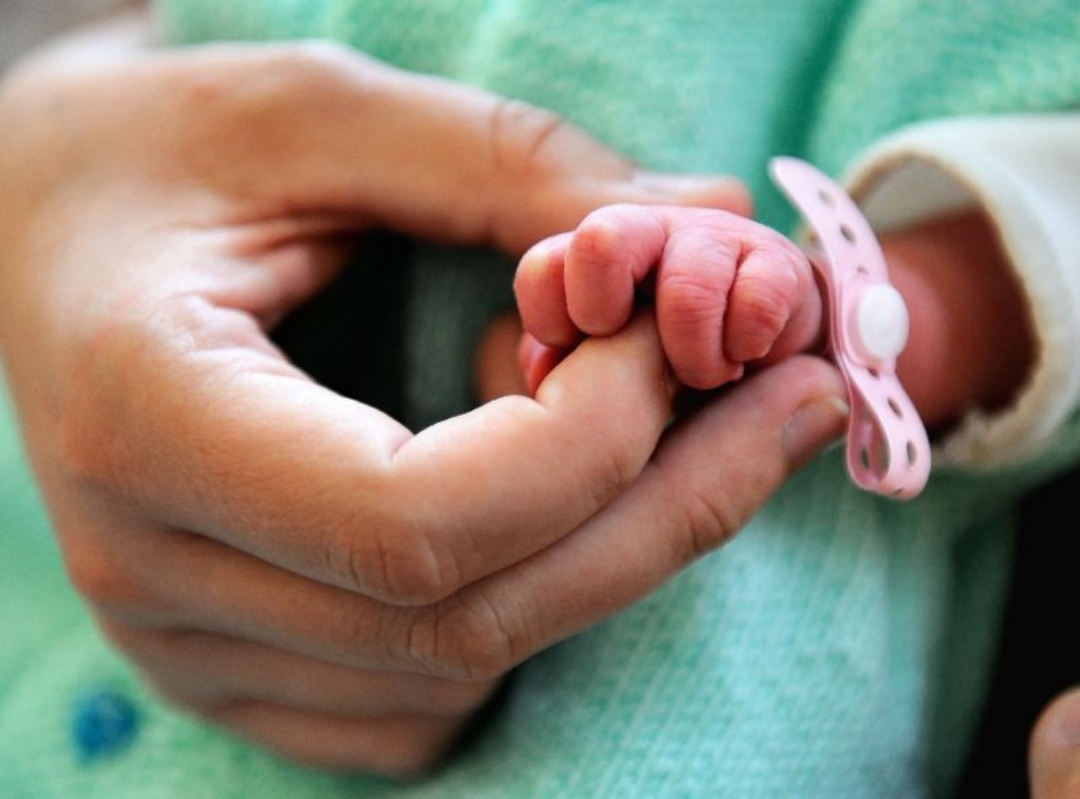
RSV, or the ‘Respiratory Syncytial Virus’, is among the most common respiratory viruses globally, infecting most children within the first two years of life and recurring throughout adulthood. – AFP photo

THE last day of 2025 ended in rain – steady and unrelenting.
It washed the streets clean, but left behind a heaviness in the air.
Dr Toh Teck Hock, a long-time friend in Sibu, a paediatrician, shared on his Facebook page how the year both began and ended with child mortality.
He wrote: “In the Emergency Department, there were no dramatic scenes, only the quiet helplessness of medical staff who had done everything they could, and the sobs of parents who had lost their everything.
“A child had travelled from the ‘ulu’ (upriver) to a big town hospital, yet did not live to see the sunlight of the New Year.
“These are moments that never quite leave doctors – or those who hear their stories.
“They remind us of a difficult truth: healthcare is not always about building newer or better facilities, expanding reach, or increasing personnel.
“Sometimes, it is also about prevention. And one such preventable threat is the severe complications of RSV.”
RSV, or the ‘Respiratory Syncytial Virus’, is among the most common respiratory viruses globally, infecting most children within the first two years of life and recurring throughout adulthood.
In adults, RSV is usually experienced as nothing more than a mild cold, and many parents may not even realise that their child has been infected.
But for babies, especially premature babies, RSV can be dangerous.
The virus triggers inflammation and thick mucus in the lungs; in very young infants with underdeveloped airways, this can quickly result in severe breathing difficulties such as bronchiolitis or pneumonia.
Some babies require oxygen support; others end up in intensive care; and tragically, a few do not survive.
Globally, RSV is one of the leading causes of hospitalisation among infants, particularly during the rainy season, which is exactly where we are now.
Babies begin life with fragile lungs and weaker immune systems.
What an older child can handle can overwhelm a premature infant in a matter of hours.
That is why prevention matters so much.
For years, Malaysia’s public healthcare system has provided palivizumab, a monoclonal antibody injection that helps protect high-risk infants from severe RSV disease.
In practice, however, access is uneven.
Typically reserved for babies born before 28-week gestation, palivizumab is scarce even within major hospitals, and many parents may be asked to purchase the injections themselves – an almost impossible proposition, given that a standard course of five monthly doses can cost upwards of RM15,000.
During my grandson’s appointment at Sarawak General Hospital (SGH), I observed several babies receiving the injection at the same time.
The system was functioning. The stock was available.
Prevention, in that moment, was working.
For that, the government deserves credit.
But access is not equal everywhere.
In my conversations with parents with premature babies outside Kuching, they shared – not angrily, but in quiet frustration – that hospitals in other districts administered palivizumab to five to 15 babies a year.
When supply is limited, doctors are forced into painful decisions about which infants receive protection, and which do not.
This is not about jealousy. It is about equity.
A premature baby in Sibu, Kapit, Miri, Bintulu or Limbang has lungs just as fragile as one born in Kuching.
Geography should not determine a child’s chance of surviving the first months of life.
There is, however, encouraging news.
A newer RSV preventive injection, nirsevimab, has just been approved by the Ministry of Health.
Unlike palivizumab, nirsevimab requires only a single injection, providing protection for up to six months – effectively covering an entire RSV season – at an estimated cost of RM2,000 to RM2,500, which is far lower than the cumulative cost of monthly palivizumab doses.
For doctors, this means fewer injections and better adherence.
For parents, fewer hospital visits and improved accessibility.
For the healthcare system, fewer admissions, less congestion and lower long-term costs.
Most importantly, it offers broader and more equitable protection for vulnerable babies.
My paediatrician friend further wrote that sometimes the solution ‘is not only about treating the sick, but about finding ways to stop the endless flow of very sick children through hospital doors’.
That is precisely what RSV preventive injections are meant to do.
While they do not prevent RSV infection altogether, they significantly reduce the risk of severe disease and complications in the most vulnerable.
They spare parents the terror of watching their baby struggle to breathe.
They spare doctors the trauma of losing a child they fought desperately to save.
They spare families a grief that lasts a lifetime.
Credit must again be given to the Ministry of Health for recognising the importance of prevention.
Still, good policy must be matched by fair and consistent implementation.
What is available in a tertiary hospital should not become a postcode privilege.
With nirsevimab now approved, the ministry has a timely opportunity to strengthen RSV prevention nationwide – including in district hospitals.
With longer coverage and improved cost-effectiveness, broader and more even distribution makes sense clinically, economically and ethically.
Every prevented hospital admission eases pressure on overcrowded emergency departments and limited paediatric beds, allowing healthcare workers to focus on children who truly need acute care.
This is not a demand – it is a hope.
That as Malaysia moves forward with newer, better tools like nirsevimab, no premature baby is left behind simply because of where they are born.
That what is already available in Sarawak General Hospital can also be available in Sibu, Miri, Bintulu, Limbang and beyond.
As the rain washed away the old year, Dr Toh hoped that it made space for something quieter and cleaner to begin – like the ‘morning sunlight that follows a long night’.
If one injection can prevent one desperate journey from the ‘ulu’ to a hospital, only to arrive too late, then prevention is no longer just a good policy.
It is compassion in action.
RSV AT A GLANCE
• What is RSV?
– Respiratory syncytial virus (RSV) is a common respiratory virus that infects the lungs and airways.
• Why is it dangerous for babies?
– In babies, especially those born prematurely, RSV can cause severe lower respiratory tract disease, including bronchiolitis and pneumonia, leading to breathing difficulties and hospitalisation.
• Who is most at risk?
– Babies born prematurely (especially before the 28-week gestation)
– Infants under six months of age;
– Babies with underlying lung or heart conditions;
– Elderly people with underlying medical conditions;
– Babies with Down syndrome, severe cerebral palsy, cyanotic heart diseases, immunodeficiency, and chronic lung diseases.
• How is severe RSV disease reduced?
– Through protective antibody injections given during RSV season that reduce the risk of severe illness, hospitalisation and complications.
• Why does this matter?
– These interventions do not prevent RSV infection, but they significantly reduce severe disease, hospital admissions, and deaths among vulnerable infants and adults.


 English (US) ·