
 9 hours ago
5
9 hours ago
5
ADVERTISE HERE
For Eiss Arina, a day well spent might mean hiking towards a waterfall, exploring somewhere new or simply being outdoors. Known among friends as the “waterfall girl” or “arinadventure”, the 25-year-old has built a life around adventure — one that continues despite living with an invisible illness.
Behind the hikes and open-water dives is a condition that can affect her health without warning. Arina was diagnosed with Systemic Lupus Erythematosus (SLE) in April 2019, at aged 18.
It began with persistent rashes on her face, which she initially thought were eczema. When the rashes worsened and her legs began to swell, she sought medical attention. After visiting several clinics, a doctor eventually suspected lupus. A specialist later confirmed the diagnosis.
“I still remember, in April 2019, I was diagnosed with lupus,” she recalled.
At first, the condition was manageable with medication and by avoiding sunlight. But in 2022, a biopsy revealed that the disease had begun attacking her kidneys. Protein was detected in her urine, and she was diagnosed with lupus nephritis.
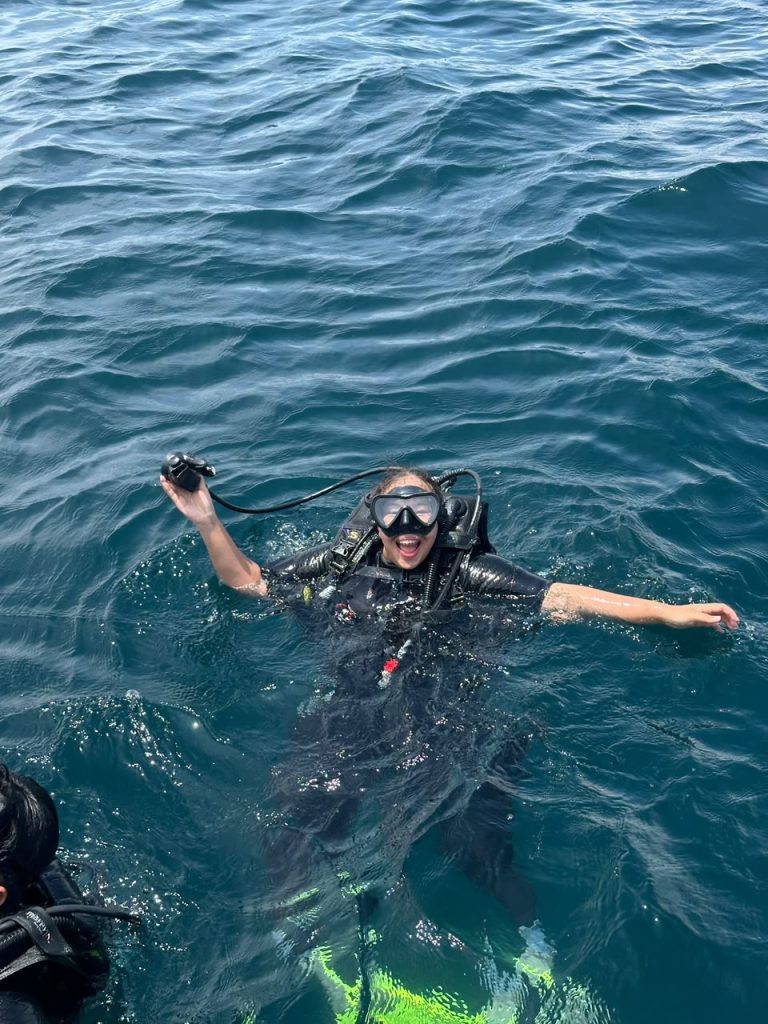 Arina during an open-water diving session.
For Arina, this marked a new phase in her illness. While the earlier symptoms could be managed, kidney involvement brought greater uncertainty.
“Lupus randomly attacks your own organ. It doesn’t know which organ to attack,” she said.
The following year, she began pursuing an accounting degree in Sibu. However, travelling back and forth for specialist appointments became difficult and costly. She also had to consider the distance from her family and the challenges of getting to hospital whenever she needed care.
She eventually returned to Kuching and transferred to Swinburne University of Technology Sarawak, a decision that initially felt like a setback.
Still, she found her footing academically, making the Dean’s List in her first semester and achieving the top score in one unit.
Looking back, Arina now considers the move a blessing in disguise although her kidney condition worsened while she was in Kuching.
In 2024, her condition deteriorated further, and she began chemotherapy. The treatment involved monthly sessions, leaving her feeling intensely cold, weak and nauseous. She also experienced hair loss and weight loss. During one episode, she struggled to breathe and was admitted to hospital.
The illness affected her studies, too. She missed classes for medical appointments and treatment, and the side effects sometimes left her too weak to attend. Yet she remembers lecturers checking on her when she was absent and classmates continuing to include her in group assignments.
“Their understanding made a difficult period easier to navigate and I’m grateful for that,” she said.
Her mother has also been a constant source of support, particularly in the early days when she accompanied Arina from one clinic to another in search of answers.
Despite the uncertainty of living with lupus, Arina has never wanted her illness to define her life.
Her love of the outdoors began in childhood, when she spent time swimming, visiting beaches and being in nature. After completing her internship, she became more adventurous, travelling to Bali with her aunt and cousin and taking part in volunteer activities.
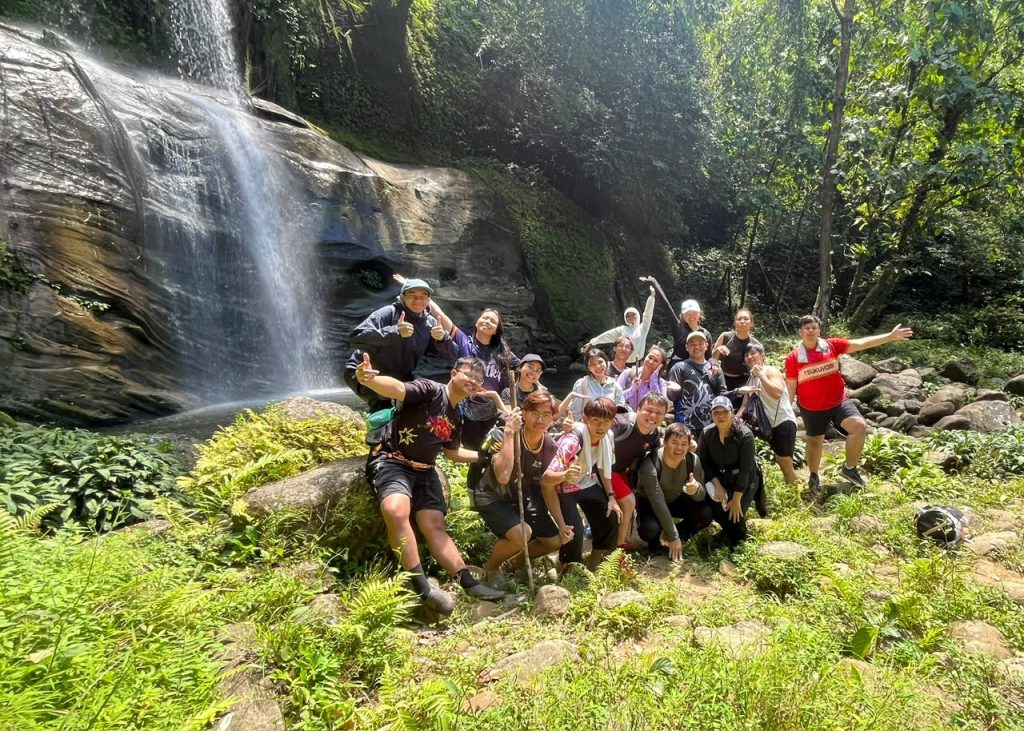 Arina poses for a group photo with her friends during a hike.
By 2023, she had set herself a simple goal: to visit at least one waterfall each month.
After finding a dodgeball community through a Facebook advertisement, she kept showing up despite not being the best player. She eventually began organising nature outings with like-minded friends.
“I’m 25. What if I don’t get to do this in the future? So, just do it now,” she said.
But living with lupus has also taught her that being adventurous does not mean ignoring her limits. Some days, she has to cancel plans and stay in bed.
“If I still have energy, just go for it. If I’m weak, I know I’m weak. I will not go,” she said.
Arina also takes precautions, keeping medication and a first-aid kit with her in case she needs them. A hike may leave her exhausted, with aching legs the next day, even if she appeared perfectly well while outdoors.
That is the reality of an invisible illness. What others see does not always reflect what someone is experiencing.
“Not everyone that you see is actually healthy. Because deep down, we never know what is wrong with them,” she said.
For Arina, bravery is not simply about living with lupus.
“I can still go by myself, I can jaga (take care) myself. That’s my favourite part about me, that I’m brave enough,” she said, adding that she hopes to inspire more women to do the same.
She continues to receive treatment, while looking ahead to graduating, starting her career, travelling and adding more dives to her logbook.
There are still waterfalls to find, but also days when her body demands that she stop.
For Arina, both are part of life with lupus: knowing how serious the illness can be, while refusing to let it define everything that life can hold.
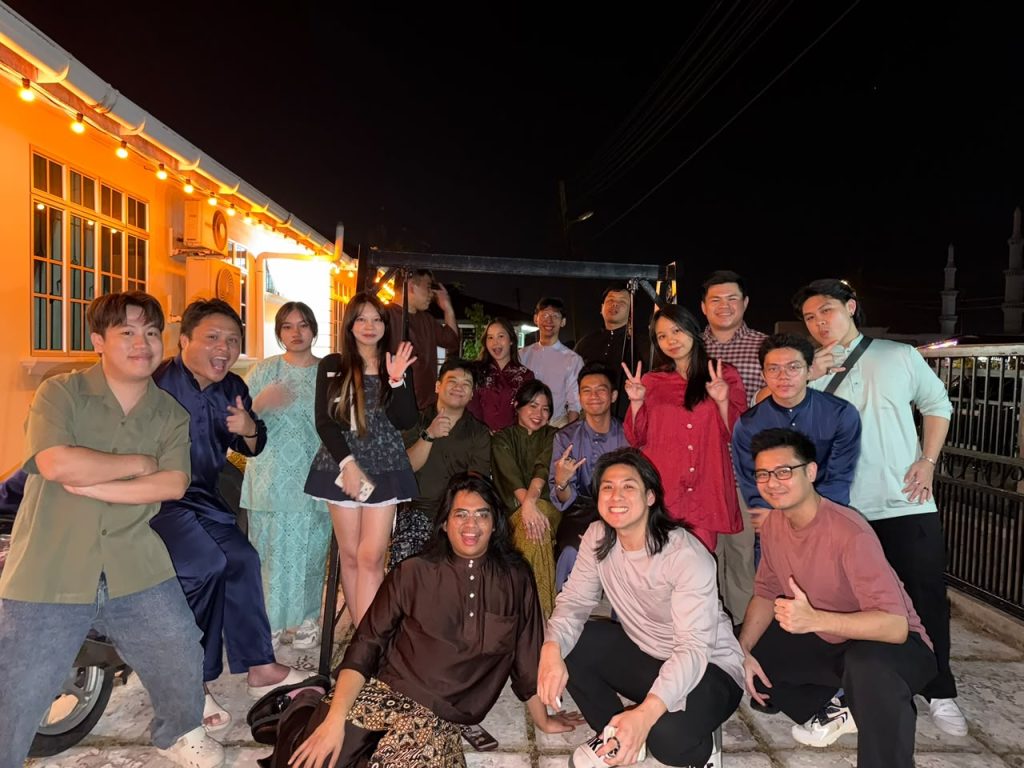 Arina poses for a group photo with her friends.




 English (US) ·