


 7 months ago
77
7 months ago
77
ADVERTISE HERE

Dressed for the Lunar New Year, and standing watch as Ramadan approaches, Kuching’s iconic cat mirrors the harmony of Sarawak’s shared festive calendar. — Photo by Chimon Upon

THIS year, the calendar has done something quietly beautiful.
Just as the last mandarin oranges are being peeled and the echo of lion dance drums begins to fade, another sacred season is approaching – Ramadan.
The Lunar New Year and the fasting month arrive almost side by side, and it is a celebration followed closely by reflection.
As early as two weeks ago, I began noticing something heartening within the Chinese community.
New Year gatherings were being held earlier than usual.
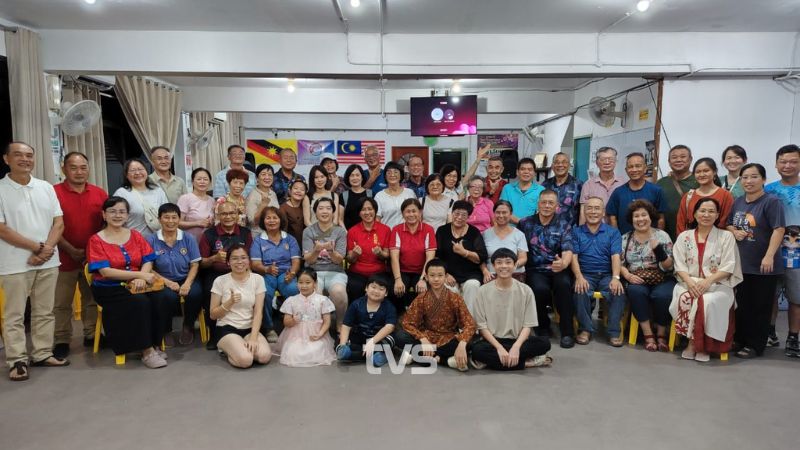
Over the past weeks, I have been invited to several: association luncheons, alumni dinners, media appreciation, community open houses.
Invitations came quickly, almost urgently, as if everyone understood that the festive window would soon close.
“Better do it before ‘puasa’ (fasting),” one organiser told me with a smile.
It was said casually; yet, it carried quiet cultural awareness.
The Lunar New Year traditionally stretches across 15 days, sometimes longer through association dinners and corporate gatherings that spill well into February.
But this year, it feels different. Hosts have adjusted schedules. Restaurants are filled up earlier.
Toast speeches are made sooner.
Family reunions, business dinners, even small circles of old friends gathering are all brought forward, neatly fitting into the narrow space between two major cultural seasons.
Not because anyone demands it, but because everyone understands.
That, to me, is Malaysia at its most instinctive best.
Harmony here is rarely legislated.
It is practised socially through calendars, meals, invitations and unspoken courtesies.
The Chinese celebrate the New Year with colours, abundance and joyful noise; with firecrackers, lanterns, and endless dishes symbolising prosperity.
The Muslim faithful enter Ramadan with restraint, discipline and inward reflection – fasting from dawn to dusk, focusing on prayers, humility and spiritual renewal.
One season feasts; the other fasts.
One celebrates outward prosperity; the other cultivates inward strength.
Yet both, at their core, are about renewal.
At the gatherings I attended, the festive cheer remained: ‘yee sang’ tosses, laughter, reunion photographs, and choruses of “Ong ah, Huat ah!”
But there was also an awareness that celebration must soon give way to respect.
Some hosts even acknowledged it openly.
“We gather early so our Muslim friends can enter Ramadan peacefully.”
It was not political correctness. It was cultural courtesy – and there’s a difference.
In Sarawak and Sabah especially, such sensitivity feels deeply rooted.
In these regions, festive calendars overlap often: Lunar New Year, Hari Raya, Gawai Dayak, Kaamatan, Christmas, Deepavali – sometimes separated by mere weeks.
Communities learn, almost organically, how to adjust.
You schedule open houses after fasting hours.
You visit before ‘puasa’ begins.
You celebrate fully, then step back respectfully.
Harmony is negotiated quietly, without announcement.
I was struck by how natural this felt.
Muslim friends attended Lunar New Year dinners knowing fasting would soon begin.
Chinese hosts prepared halal dishes alongside the traditional fares.
Conversations flowed easily between festive excitement and Ramadan anticipation.
There is a poetic symmetry when Lunar New Year and Ramadan sit side by side – one begins the year with reunion and abundance; the other pauses the year for discipline and gratitude.
One celebrates what we have gained; the other reminds us to appreciate what we often take for granted.
Together, they form a cultural balance – joy tempered by reflection.
From a columnist’s perch, national discourse can sometimes feel dominated by what divides us: race, religion, politics, and language.
But on the ground, society often behaves better than politics.
No directive instructs associations to advance their dinners.
No policy requires communities to adjust their calendars.
It happens voluntarily.
Because Malaysians, at their everyday best, understand the rhythm of each other’s lives.
Festivals here are rarely celebrated in isolation.
Lunar New Year open houses welcome Malay and Indian guests.
Hari Raya sees Chinese visitors filling ‘kampung’ (village) homes.
Gawai and Kaamatan draw participation across races.
Our celebrations are porous – open, adaptive, shared.
Which is why the proximity of Lunar New Year and Ramadan does not create tension – it creates choreography.
Celebration makes way for contemplation.
Noise yields to stillness.
Firecrackers give way to the call to prayer.
And society adjusts its pace; gracefully, and instinctively.
As I left one of the earlier Lunar New Year gatherings, red lanterns still swaying overhead, a Muslim friend said to me: “Next time we meet, it will be ‘buka puasa’ (break-of-fast).”
Indeed, the ‘buka puasa’ invitations are coming in.
I smiled at the seamlessness of that transition: from ‘yee sang’ to dates; from festive toss to breaking fast.
Different rituals, same human warmth.
In this country, harmony is rarely forged in grand declarations.
It is built quietly: through adjusted calendars, shared meals, early invitations, and thoughtful timing; between lanterns and crescent moons; between celebration and reflection.
As we close the chapter on the Lunar New Year and step gently into Ramadan, may both seasons bless this nation in their own ways
To those celebrating the Lunar New Year, may the year stride forward with strength, resilience and shared prosperity.
To those entering the fasting month, may Ramadan bring peace to the heart, clarity to the soul and compassion to our common humanity.
And to all Malaysians, wherever you are on this festive and spiritual journey, may we continue to make space for one another’s joy, one another’s reflection, and one another’s dignity.
A timeless reminder…that harmony is not a dream.
It is a tradition, celebrated every day, and especially in seasons like this.


 English (US) ·