


 1 day ago
14
1 day ago
14
ADVERTISE HERE
KUCHING: Bamboo cultivation has the potential to create long-term income and business opportunities for local communities as Sarawak works to develop a sustainable bamboo industry.
Sarawak Timber Industry Development Corporation’s (STIDC) General Manager, Datuk Zainal Abidin Abdullah said the industry offers opportunities beyond traditional handicrafts, particularly in higher-value products and downstream activities.
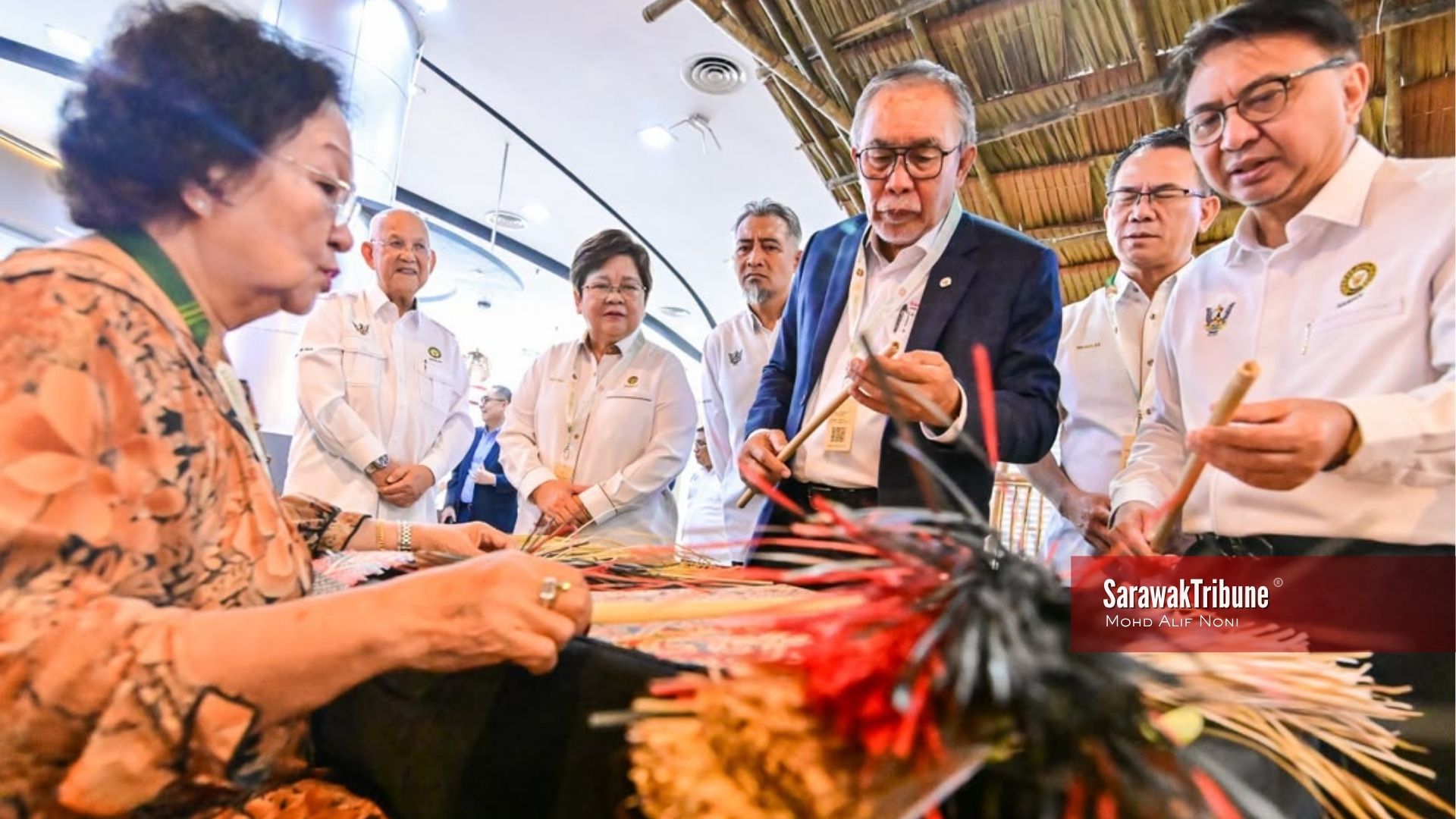
He said bamboo can be developed into furniture, engineered bamboo, panels, flooring, packaging, textiles, biomass, biochar, food products and modern handicrafts.
“Bamboo is a fast-growing and renewable resource, and its development can provide opportunities for communities and landowners.
“For STIDC, our objective is to build an industry that is environmentally responsible, inclusive and economically viable.
“Our aim is to ensure that what we plant today creates sustainable value for our communities and our industry tomorrow,” he said.
His welcoming speech was delivered on his behalf by his deputy, Haluyah Awi, at the inaugural Sarawak Bamboo Day 2026 seminar at The Waterfront Hotel here today.
The event was officiated by Deputy Urban Planning, Land Administration and Environment Minister, Datuk Len Talif Salleh.
Zainal Abidin said developing the entire bamboo value chain, from cultivation and harvesting to processing, product development, marketing and export, is necessary to unlock its economic potential.
He said STIDC established a 25-hectare bamboo trial plantation at Sabal Forest Reserve in Simunjan in late 2018 to support commercial plantation development.
Approximately 10,000 bamboo seedlings comprising 23 species were planted at the site, including 12 local species and 11 introduced from overseas.
“The project aims to develop a technically and commercially viable bamboo plantation model, ensure a sustainable supply of quality bamboo planting materials and support future bamboo industries.
“It also aims to train local communities and investors in bamboo cultivation. The site continues to be used for educational programmes, research, training and industry development by universities in Malaysia and is frequently visited by potential investors,” he said.
Zainal Abidin, however, stressed that developing the industry requires cooperation among government agencies, investors, researchers and communities.
He acknowledged that establishing a viable bamboo industry would take time, with challenges requiring collective efforts rather than action by any single party.
“The success of the bamboo industry will depend on how effectively we work together and turn opportunities into real, viable businesses and sustainable economic benefits,” he said.
Meanwhile, more than 200 participants attended the seminar themed ‘Bamboo Beyond Borders’, which featured presentations on bamboo’s potential in the green economy and downstream industries.
The Sarawak Bamboo Bazaar is also being held at Plaza Merdeka from October 9 to 11, with STIDC targeting 2,000 visitors throughout the three-day event.



 English (US) ·