


 2 hours ago
4
2 hours ago
4
ADVERTISE HERE
KUCHING, Oct 15: Children with dyslexia should be diagnosed early and given appropriate interventions to help them master learning skills while avoiding negative perceptions of their abilities.
According to Sarawak's Minister of Women, Children and Community Welfare, Dato Sri Fatimah Abdullah, dyslexia was often misunderstood in the past when children who had difficulty reading, writing and spelling were labeled as lazy, weak or undisciplined.
"When we label them as under-educated, lazy or undisciplined, it can affect their self-esteem, confidence and mental well-being.
"Through the Sarawak Dyslexia Association, we are trying to raise awareness that there are learning problems like dyslexia so that children are not fined at will and we are better able to understand and support them", he said.
He said this while delivering his inaugural address at the Sarawak International Dyslexia & Learning Disability Conference (SIDLDC) 2026 here today.
Data from the Ministry of Education in Malaysia in 2020 recorded a total of 13,302 dyslexic pupils in government schools, while estimates by the Ministry of Health indicate that about four to eight per cent of school students in Malaysia may have dyslexia, equivalent to an estimated 200,000 to 400,000 children and young people.
Meanwhile, a 2015 study by Universiti Malaysia Sarawak (UNIMAS) involving Year Three students in 10 schools in Kuching found that about six out of every 100 students were diagnosed with dyslexia.
Another study involving 866 Year One students in 11 schools in Kuching found that between a quarter to a third of the pupils were at risk for reading difficulties, depending on the skills tested.
However, the risk of reading difficulties does not necessarily mean that a student has dyslexia.
He also touched on efforts to help individuals in prison institutions and the Henry Gurney School through reading and writing interventions, including giving them opportunities to sit exams, continue their studies or resume education after release.
"Every child is precious. While we can only help a child, we are still able to make a difference in their lives with compassion, commitment and a strong desire for change", he said.
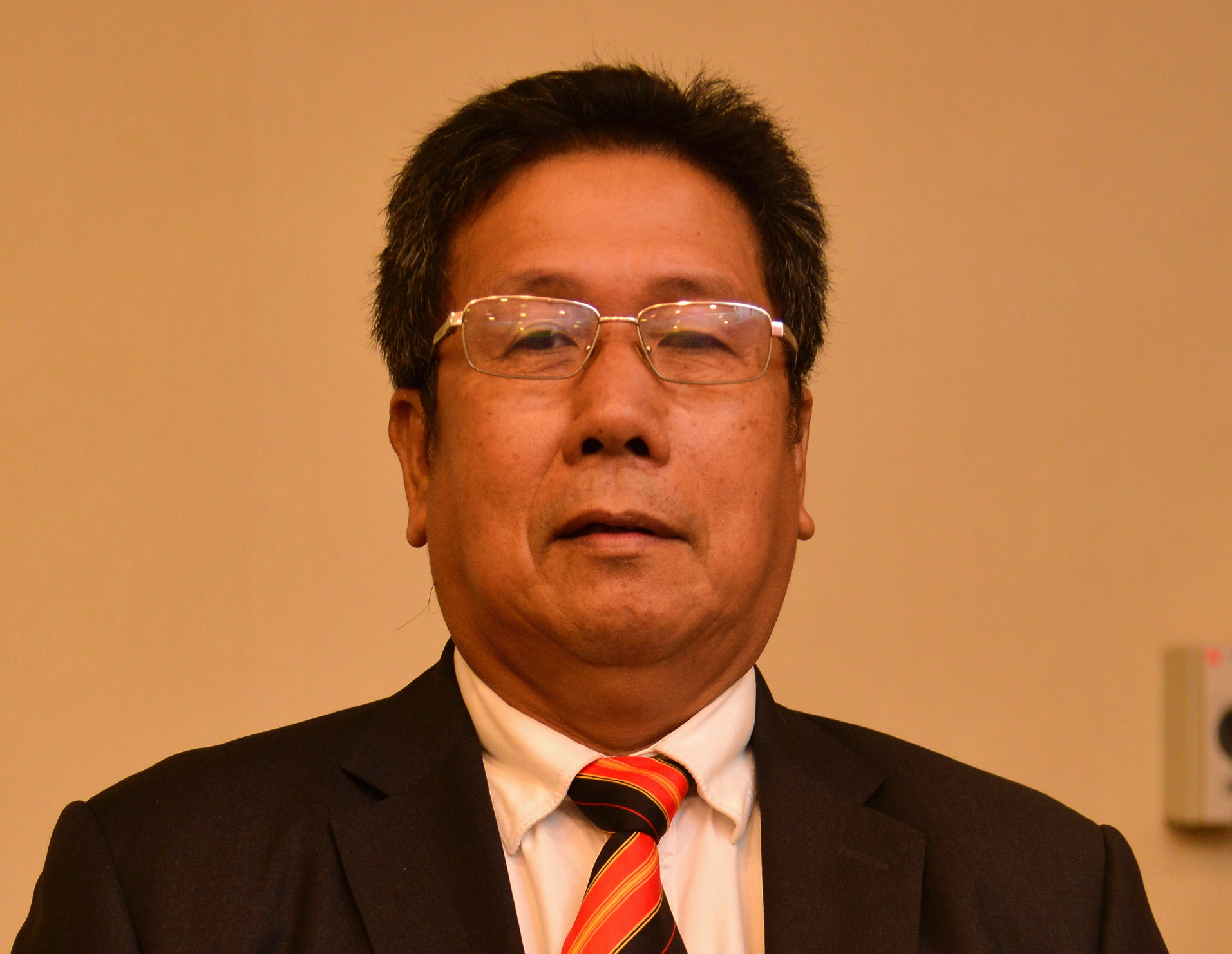
Meanwhile, Chairman of SIDLDC 2026, Professor Dr. Razitasham Safii said that support for the children should include learning interventions, training to teachers and continuing education for guardians.
According to him, SIDLDC 2026 is also a platform for sharing knowledge, skills and experience among educators and stakeholders.
"We have also held several teaching sessions and workshops with SeDidik Sarawak teachers, and this is one of the successes we want to develop in the future.
"We hope that grants can be provided to continue such training, in addition to strengthening the training component through the planning of memorandum of understanding (MoU) with University College i-CATS Sarawak.
"God willing, with the new Sarawak Dyslexia Association building, we can carry out more activities with a holistic and inclusive approach", he said.
The conference, which was reorganized after more than 10 years, brought together nearly 180 participants, including four representatives from Singapore.
He said the feedback from the participants showed that the conference was beneficial through exposure to new knowledge and skills, as well as highlighting gaps still to be addressed in efforts to help children with learning difficulties. - TVS







 English (US) ·