


 1 hour ago
8
1 hour ago
8
ADVERTISE HERE
KUCHING, Oct 15: Children with dyslexia need to be identified early and be given the appropriate intervention to help them develop their learning skills and prevent negative perceptions of their abilities.
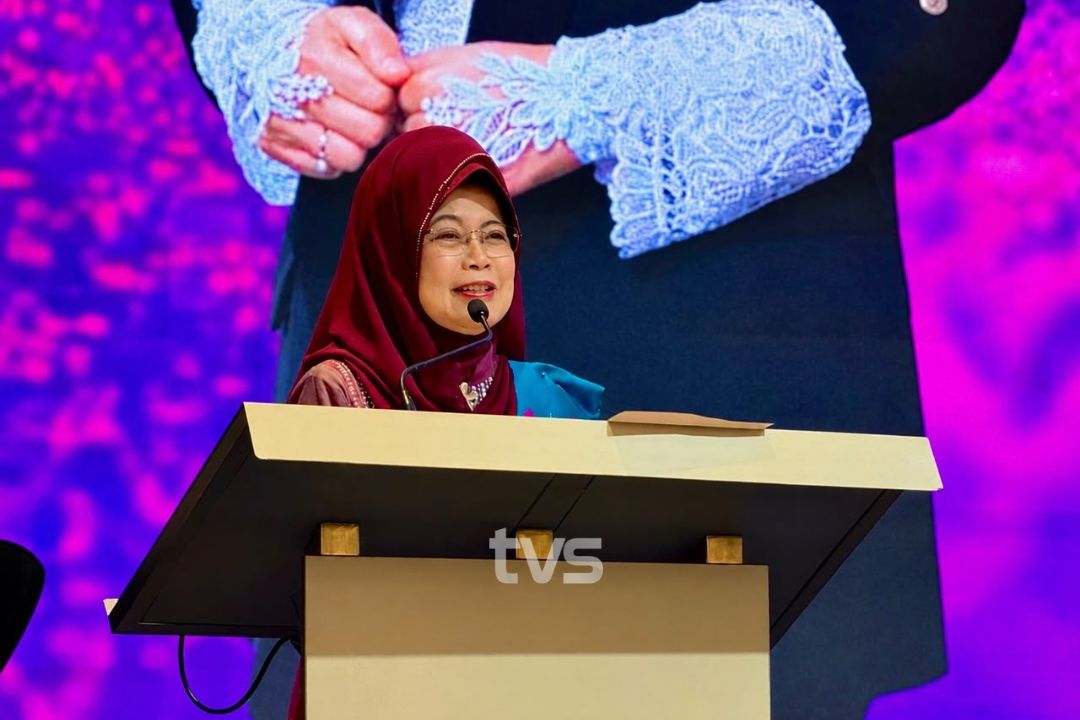
According to Minister of Women, Early Childhood and Community Wellbeing Sarawak, Dato Sri Fatimah Abdullah, dyslexia had often been misunderstood, with children struggling to read, write and spell being labelled as lazy, weak or undisciplined.
“When we label them as academically inferior, lazy or undisciplined, it can affect their self-esteem, confidence and mental wellbeing.
“Through the Dyslexia Association of Sarawak, we are trying to raise awareness that learning difficulties such as dyslexia exist, so children are not unfairly punished and we can better understand and support them,” she said while delivering her keynote address at the Sarawak International Dyslexia and Learning Disabilities Conference (SIDLDC) 2026 here today.
According to 2020 data from the Ministry of Education, 13,302 pupils with dyslexia were recorded in government schools.
Meanwhile, the Ministry of Health estimates that between four and eight per cent of Malaysian school students have dyslexia, equivalent to an estimated 200,000 to 400,000 young people.
A 2015 Universiti Malaysia Sarawak (UNIMAS) study involving Year Three pupils from 10 schools in Kuching found that approximately six in every 100 pupils could be affected by dyslexia.
Another study involving 866 Year One pupils from 11 schools in Kuching found that between one in four and one in three of them were at risk of reading difficulties, depending on the skills assessed.
However, being at risk of reading difficulties does not necessarily mean a child has dyslexia.
Fatimah also highlighted efforts to support individuals in prisons and Henry Gurney School through reading and writing interventions, including opportunities to sit for examinations, pursue further studies or resume their education after release.
“Every child is valuable. Even if we can only help one child, we can still make a difference in their life through compassion, commitment and a strong will to make a difference,” she added.
Meanwhile, SIDLDC 2026 chairperson, Professor Dr Razitasham Safii said support for children with learning difficulties should include learning interventions, teacher training and continuous education for caregivers.
She said the conference also served as a platform for educators and stakeholders to exchange knowledge, skills and experiences.
“We have also conducted several teaching sessions and workshops with SeDidik Sarawak teachers, and this is one of the achievements we hope to build on in the future.
“We hope grants can be made available to continue such training, while strengthening the training component through a planned memorandum of understanding (MoU) with i-CATS University College Sarawak.
“InsyaAllah, with the new Dyslexia Association of Sarawak building, we will be able to carry out more activities through a holistic and inclusive approach,” she said in the same event.
After more than 10 years since the last international event, SIDLDC 2026 brought together nearly 180 participants, including four representatives from Singapore, providing a platform for educators and stakeholders to share knowledge, skills and experiences. – TVS





 English (US) ·