


 8 months ago
79
8 months ago
79
ADVERTISE HERE

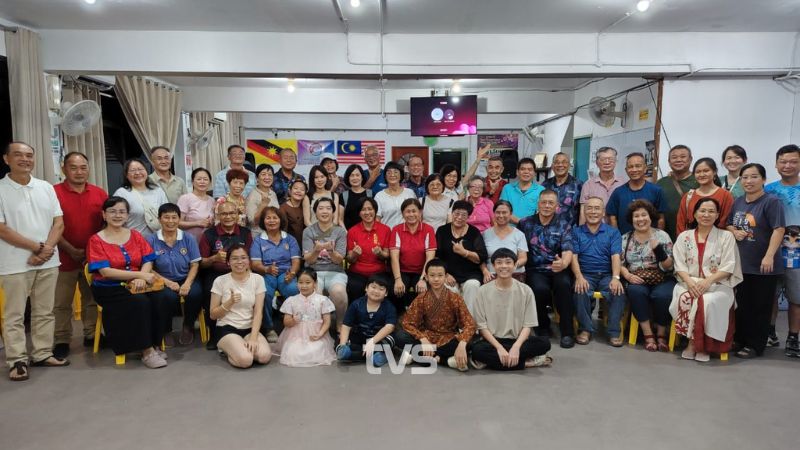
Abang Johari (fourth left) and Deputy Premier Datuk Amar Dr Sim Kui Hian, on his left, with members of the Institution of Engineers Malaysia seen in this photo, taken during the Sarawak branch’s annual dinner last year. — Photo from Facebook / Sim Kui Hian
 WHETHER as a result of purposeful design or a result of innovation, engineers are at the helm of the Sarawak transition into clean energy solutions.
With the creation of new technology, engineers are instrumental in pushing the Sarawak hydrogen revolution forward.
From the creation of more efficient processes involving electrolysis reactions to storage and subsequent delivery of hydrogen, they have set the stage with the aim of implementing a clean energy policy.
With Sarawak positioning itself as a pacesetter in renewable energy sources, engineers continue to move the agenda forward towards making defined environmental objectives a reality.
Now more than ever, hydrogen is seen as a key part of cutting emissions, helping to reduce pollution in areas like transportation and heavy industry on the path to reaching net zero.
Leading the charge
Engineers have been leading this charge of converting this possibility into reality for the future of a greener and more resilient energy sector with their vast knowledge in the latest technological advancements in hydrogen production, hydrogen storage solutions, or hydrogen distribution techniques ranging from green electrolysis to fuel cells.
Engineers in this endeavour for a low-carbon future are leading the charge for hydrogen in more ways than one.
In the quest to secure a climate-limited future, the role of hydrogen as the backbone of a clean energy revolution cannot be overemphasized – but it is engineers and their work on the related technology who are making the promise a reality.
A sustainable and low-carbon energy future will rely on hydrogen, which is critical to achieving a transition in the energy sector.
Although hydrogen is promising as a clean energy carrier, it is engineers and their innovations related to hydrogen that hold the key to realizing its potential.
Secure, workable energy grids
Not only are they designing durable electrolysers that extract high-quality green hydrogen from water through robust electrolysis processes, they are also enhancing the technology to build secure and workable energy grids with definitive supply chains.
The latter work to drastically reduce emissions in the transportation and heavy industry sectors by seamlessly embracing the production and distribution of green and brown power through the supply chains they create and manipulate through the work they do today.
They are committed to ensuring the safety and viability of the energy they are developing in order to fully ensure the supply of electricity to Sarawak with its transition to a carbon-poor/carbon-limited future.
They are doing this by adopting the vast and rapidly developing materials and technological principles that today’s rapidly advancing engineers and scientists are using.
Transition to green economy
Sarawak Premier Datuk Patinggi Tan Sri Abang Johari Tun Openg spoke emphatically on the pivotal role that engineers played in turning the state’s climate‑action ambitions into reality.
In this, a concerted engineering effort to lower the price of clean‑energy technologies, especially hydrogen, is required to facilitate Sarawak’s transition from a carbon‑intensive economy to a green, resilient one.
As rightly pointed out by the Premier, engineers are the architects of our energy renaissance and that their ingenuity will determine whether hydrogen becomes a mainstream, affordable fuel for the industries, transport, and power grids.
Hydrogen sits at the centre of Sarawak’s strategic plan to curb carbon emissions.
The state, endowed with abundant water resources, renewable‑energy potential, and a growing petrochemical sector, is uniquely positioned to produce green hydrogen at scale.
Sarawak is capable of generating a clean‑fuel feedstock that not only decarbonises heavy‑duty transport and industrial processes, but also opens export avenues to regional markets seeking low‑carbon energy.
This is possible by leveraging electrolyser technology powered by solar and hydropower.
However, today’s electrolyser units remain expensive, and the cost of hydrogen per kilogramme may still be higher than that of conventional fossil fuels.
Research and development
But to close the gap, the Premier launched a call for a comprehensive engineering effort that would include speeding up research and development into high efficiency, low-cost electrolysers, localising key components like membranes, catalysts, and power electronics, and building a whole supply chain ecosystem that fosters start-ups and joint ventures with foreign technology collaborators.
The Premier also cited ongoing efforts, like the Sarawak Hydrogen Economy Blueprint, formation of the Sarawak Energy Research Institute, and the planned establishment of the Sarawak Hydrogen Hub at Bintulu, which already brought together the best brains from the academia, the private sector, and the government.
Through the integration of engineers into policy, investment and execution bodies, these initiatives are expected to trim the cost of hydrogen production plants by millions of ringgit, and reduce the levelised cost of hydrogen (LCOH) to the point where it becomes competitive against diesel oil and natural gas.
It speaks to a basic reality.
To Premier Abang Johari, Sarawak’s fight against climate change cannot be divorced from people’s development and empowerment.
As the state seeks to decrease its carbon intensity by 45 per cent in 2030, the pace at which local engineers will take the scientific breakthroughs from the lab to commercially viable and scalable solutions will be crucial in realising Sarawak’s vision for hydrogen energy.
Catalyst for wider progress
This is not the success of professionals in isolation.
Rather, it acts as a catalyst for wider progress.
And when Sarawak’s engineers innovate and deliver, the whole state benefits: the environment is preserved, the economy becomes more resilient and diverse, and Sarawak is transformed from a traditional energy producer into a forward-thinking leader in energy innovation.
Engineers are a crucial driver of the global shift toward a carbon-free future, playing the role of architects both in innovation and implementation in sustainable technologies.
From designing systems for renewable energy, such as advanced solar panels and wind turbines located offshore, to developing the optimal utilisation of energy storage solutions in next-generation batteries and grid-scale hydrogen storage, engineers are on the front lines of reducing greenhouse gas emissions across industries.
Their know-how is considered key in reimagining infrastructure, transportation, manufacturing, and urban planning through energy-efficient and low-carbon models.
What is more, engineers converge across disciplines to develop carbon capture-utilisation-and-storage (CCUS) technologies, smart grids, and electrified transportation networks-those definitive columns upon which a decarbonised economy will rest.
The engineers are involved in evidence-based policy and sustainability research in the search for a solution to reduce the dependence on fossil fuels.
It is this endless search that is the underlying pivotal link between the knowledge systems practised by the engineers, and the quest to look for a means to design the future world with net-zero carbon emissions.
* Toman Mamora is ‘Tokoh Media Sarawak 2022’, recipient of Shell Journalism Gold Award (1996) and AZAM Best Writer Gold Award (1998). A holder of PhD in Social Anthropology (Nottingham UK), this communication and research consultant remains true to his decades-long passion for critical writing as he seeks to gain insight into some untold stories of societal value.


 English (US) ·