


 4 days ago
27
4 days ago
27
ADVERTISE HERE
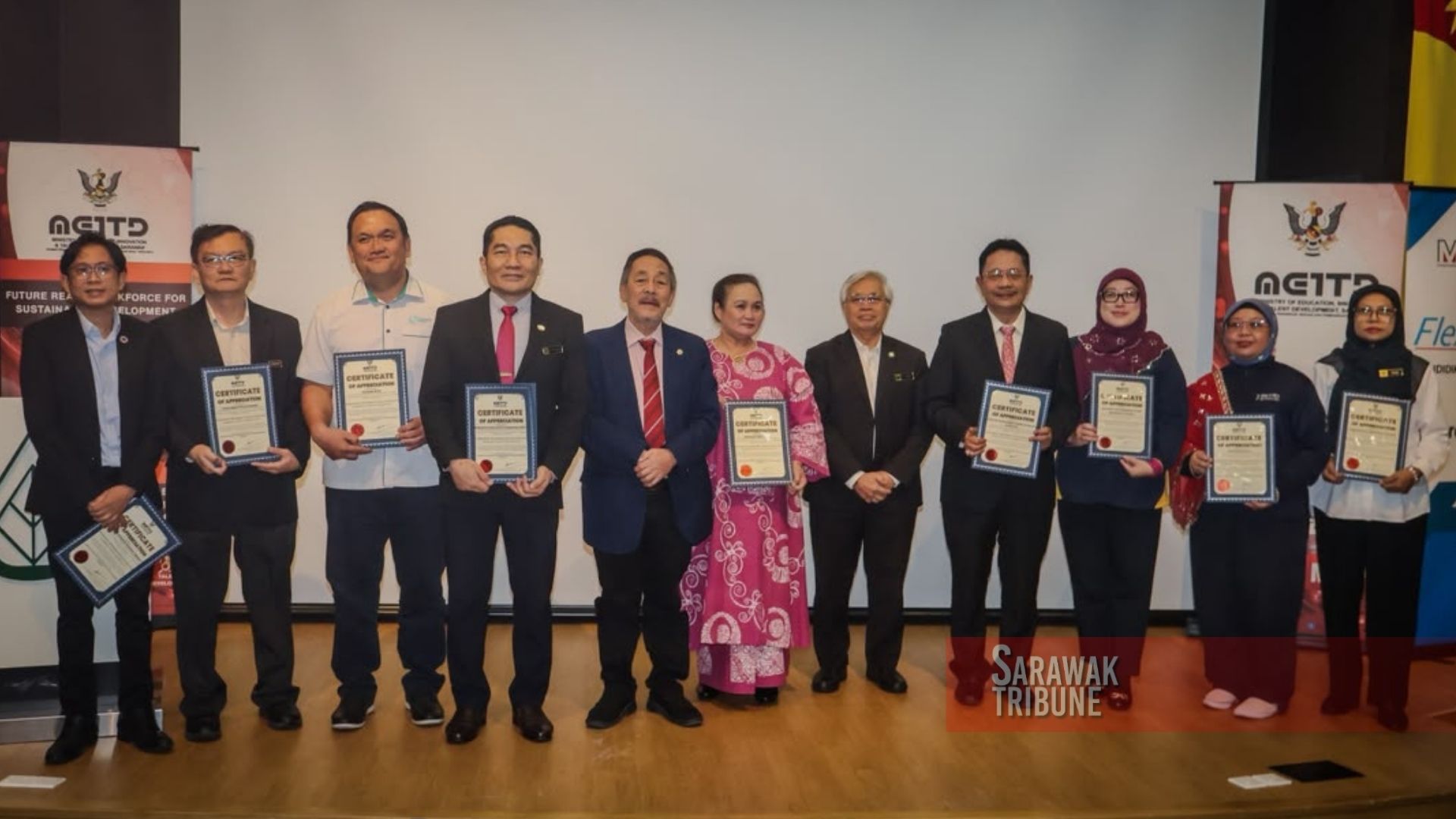
KUCHING: Employers and training providers should help recipients of Sarawak’s informal education recognition put their skills to work, says the Malaysia Productivity Corporation (MPC).
Its deputy director-general Dr Mohamad Norjayadi Tamam said the next step for the Sarawak Informal Education (IFE) initiative was to link recognition with practical support, further learning and market opportunities.
“I invite employers and training providers to help our recipients put their recognised skills to work,” he said in his welcoming remarks at the IFE launching ceremony and certificate presentation at the LCDA Tower, The Isthmus, here today.
He said many people learn their trade at home, at work or from their elders, but such skills can be hard to prove when seeking a job or further learning.
IFE, he said, makes these skills visible through practical assessment and identifies where further support can help people grow.
Norjayadi said MPC, which already recognises industry non-formal education (NFE), aims to expand into IFE to add value to the education pathway by developing skilled and competent community talent.
He added that IFE would serve as a foundation for more structured lifelong learning through NFE and formal education, including technical and vocational education and training (TVET) and academic qualifications.
On the national front, he said MPC is developing a new national productivity framework in which state-level involvement is a key focus, in order to achieve annual growth of 3.6 per cent and place Malaysia among the 12 most competitive economies globally.
“Sarawak, which recorded among the highest productivity levels in Malaysia, is a crucial part of achieving these targets,” he said.
He commended the Ministry of Education, Innovation and Talent Development for pushing the initiative, noting that Sarawak is the first state to do so.
Norjayadi said economic and productivity growth must bring benefits that families can feel, such as better earnings, greater security and a better quality of life.


 English (US) ·