
 4 months ago
76
4 months ago
76
ADVERTISE HERE
Transport consultant Rosli Khan says the proposed APM system differs from the elevated ART system mooted last year.
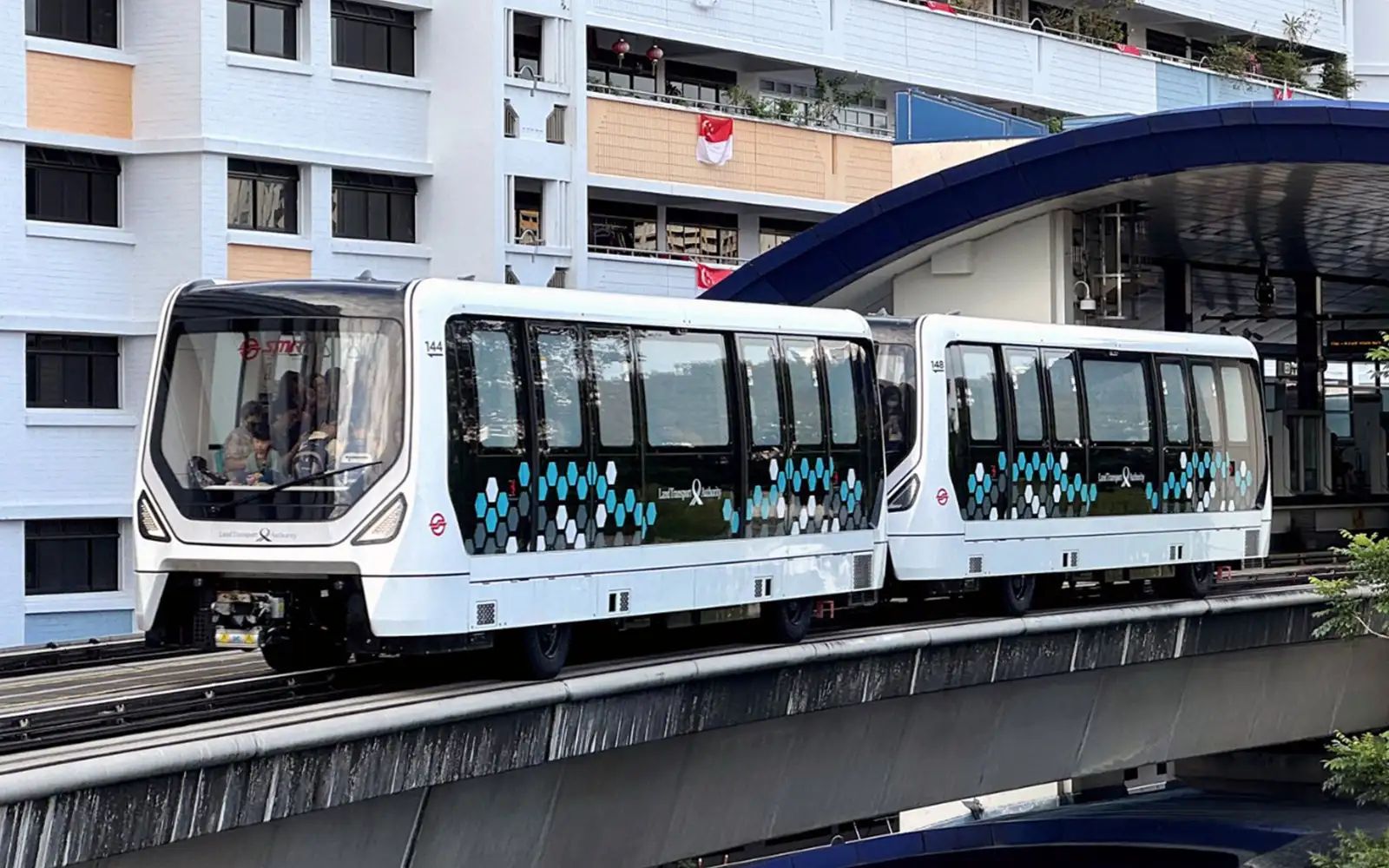
A transport consultant has voiced concern over recent developments in the proposed feeder service for the Johor rapid transit system (RTS), following reports that the scheme now being considered may differ significantly from what was previously announced.

Rosli Khan said Putrajaya must provide an explanation following reports that the project will adopt an automated people mover (APM) system, similar to Singapore’s Bukit Panjang and Punggol LRT lines, to deliver last‑mile connectivity for RTS commuters.
According to The Edge, the project, proposed by a DOM Industries–MMC Corp consortium and reportedly still at the letter‑of‑intent stage, carries an estimated cost of RM7 billion.
“The project, as reported, differs substantially from the plan publicly outlined by transport minister Loke Siew Fook in February last year,” Rosli told FMT.
He said Loke had expressed a preference for the elevated autonomous rapid transit (ART) system, describing it as a flexible and cost-effective solution that does not require dedicated tracks, allowing lane-sharing with buses.
According to a Bernama report on March 11, Johor menteri besar Onn Hafiz Ghazi was quoted as saying that the ART system had also secured the consent of Yang di-Pertuan Agong Sultan Ibrahim as well as Tengku Mahkota Johor, Tunku Ismail Sultan Ibrahim.
The ART is a trackless, medium-capacity urban transit system that operates on rubber tyres — a system currently being implemented as part of Kuching’s urban transportation system.
A request for proposal (RFP) for the ART system was issued by Ukas, the public-private partnership arm of the Prime Minister’s Department, in March 2025.
Rosli said the project now under discussion appears to involve a driverless elevated system with 32 stations spanning the Skudai, Tebrau and Iskandar Puteri corridors, ultimately feeding into the Bukit Chagar RTS Link.
“Any move towards an APM-like system would need a clear technical explanation, given the reliability issues seen in comparable systems such as KLIA’s Aerotrain and Singapore’s Bukit Panjang LRT,” said Rosli.
He said such systems generally served more limited areas with lower ridership.
“An APM system may not be suitable for a city-region with a population base as large as the one in Johor Bahru,” he added.
Rosli pointed to the fact that Johor Bahru already has many elevated highways and interchanges.
“Building new dedicated tracks for an APM-type system would be difficult to justify,” he said.
Rosli called for the government to clarify whether a comprehensive study had been conducted to compare available options, such as light rail transit, bus rapid transit and the ART.
He also questioned whether the different options were evaluated fairly under the tender process.
“Transport systems operate on 30- to 50-year horizons, making it important for the government to explain the basis of the reported proposal before the project moves beyond the LOI stage,” he said.
Stay current - Follow FMT on WhatsApp, Google news and Telegram
Subscribe to our newsletter and get news delivered to your mailbox.





 English (US) ·