
 9 hours ago
9
9 hours ago
9
ADVERTISE HERE
KUCHING: Uncertainty over the timing of the next state election affects political parties differently, with Gabungan Parti Sarawak (GPS) retaining a strategic advantage in determining when the State Legislative Assembly (DUN) is dissolved.
Political analyst, Datuk Dr Lee Kuok Tiung, said GPS retained an advantage because the timing of the DUN dissolution was within the state government’s control.
He said GPS could use the period to coordinate seat allocations among its component parties – Parti Pesaka Bumiputera Bersatu (PBB), Sarawak United People’s Party (SUPP), Parti Rakyat Sarawak (PRS) and Progressive Democratic Party (PDP) – while maintaining administrative momentum.
“Uncertainty impacts local political players in different ways,” he said when asked about the political landscape ahead of the state election.
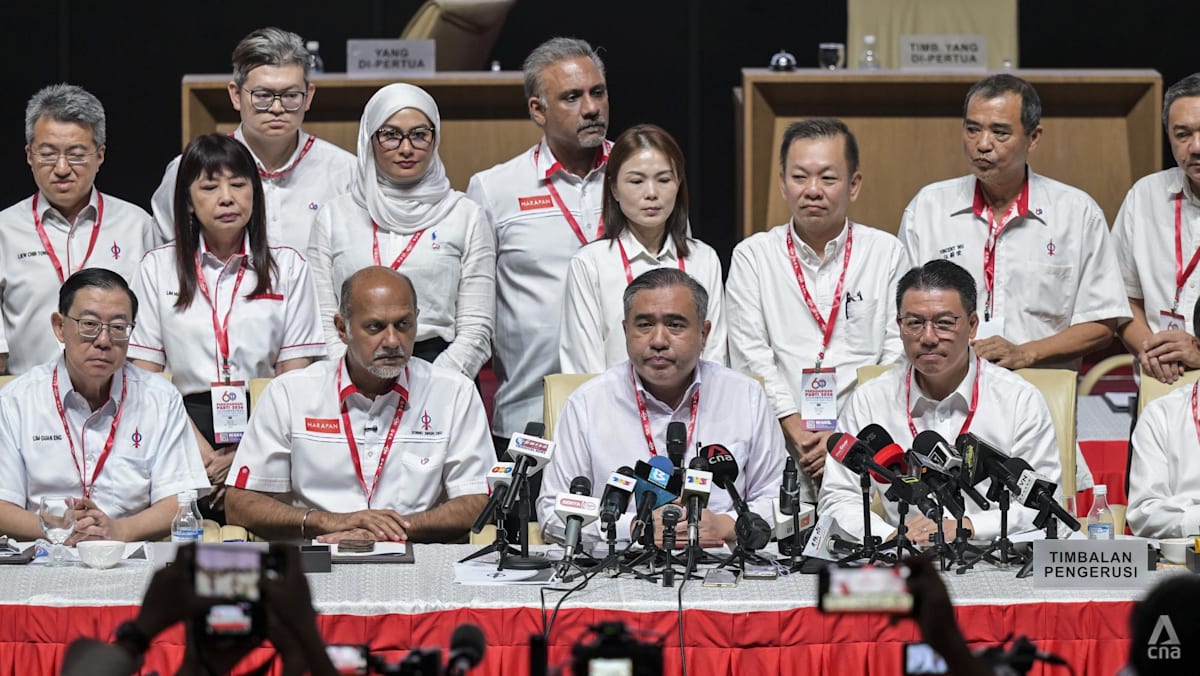
For the Democratic Action Party (DAP), Lee said the party faced the challenge of convincing voters through tangible contributions and constructive community-oriented achievements.
He said voters were becoming more discerning and would expect political parties to demonstrate their contributions rather than rely on rhetoric or repeated criticism of government development initiatives.
Lee, an associate professor at the Faculty of Social Sciences and Humanities, Universiti Malaysia Sabah, stressed that an effective opposition remained important in a democratic system as a check and balance to ensure transparency and accountability in government and state administration.
However, he said no party could claim to be the sole provider of checks and balances.
On Parti Keadilan Rakyat (PKR), Lee said its Sarawak chapter had changed significantly from the era when it was led by Baru Bian, suggesting the party’s current political positioning should be viewed within the present political landscape.
He said other opposition parties, particularly local-based parties, faced the challenge of negotiating seats early to prevent multi-cornered contests.
“Multi-cornered contests have historically favoured GPS,” he said, adding that opposition parties also had to consider their positions within the broader federal-state relationship under the Unity Government.
Lee said despite the state legislative term running until early 2027, political parties in Sarawak have entered election mode.
“Sarawak had effectively been in an ‘early election mode’ for some time, despite no official dissolution of the DUN.
“Parties across the political spectrum have long been discussing potential and ‘winnable’ candidates, as well as campaign activities,” he said.
He said some parties had already mobilised grassroots machinery, conducted internal candidate screening and strengthened their election operations.
Lee said parties were moving ahead with preparations rather than waiting for the Election Commission’s ongoing boundary review to conclude.
“They are actively and without delay determining their respective operational frameworks for the upcoming election,” he said.
The state election must be held after the current DUN term expires in early 2027, unless it is dissolved earlier.





 English (US) ·