
 1 week ago
12
1 week ago
12
ADVERTISE HERE

Seah said the group’s experience in infrastructure construction, project management and works in challenging and remote locations gave it a relevant foundation for the expansion into utilities.
KUCHING (September 22): Sarawak-based Hartanah Kenyalang Bhd (Hartanah Kenyalang) is building its capabilities in utilities construction sector as it looks beyond its traditional building and infrastructure work with its order book at approximately RM800.5 million.
Managing director Seah Boon Tiat said the group is assessing opportunities involving electrical substations, water treatment facilities, water pipe-laying works and renewable-energy infrastructure, including supporting works for solar farm developments.

Seah Boon Tiat
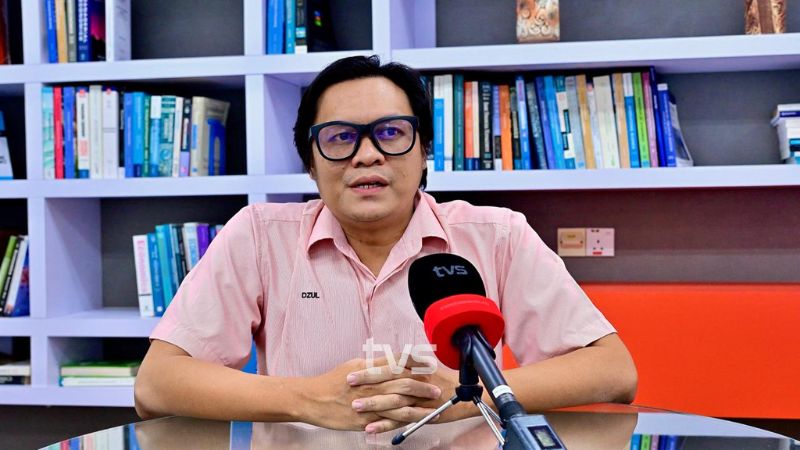
“As at our latest reported quarter, this remains an emerging business area and has not yet become a material contributor to the group’s revenue,” he told The Borneo Post in an interview.
Its order book stood at RM142.5 million as at March 31, 2025 before the group’s debut on the ACE Market of Bursa Malaysia in June 2025.
Its largest wins since then include the RM283.9 million contract from the Public Works Department (JKR) Sarawak to build the new Wisma JKR Sarawak in Kuching, the company’s biggest, secured in July.
In January, it was awarded a RM275.3 million contract to design and build a new 1,000-inmate prison in Sibu.
Seah said the Sibu prison, the group’s maiden design-and-build project, showed Hartanah Kenyalang’s ability to secure larger and more complex projects.
“It has also strengthened our confidence to expand our capabilities beyond our traditional building and infrastructure segments,” he said.
For its second quarter ended April 30, 2026, Hartanah Kenyalang’s revenue rose 47.7 per cent year-on-year to RM44.44 million, driven mainly by the Stadium Sarawak project, while pre-tax profit rose 37.8 per cent to RM2.74 million.
Seah said the group’s experience in infrastructure construction, project management and works in challenging and remote locations gave it a relevant foundation for the expansion into utilities.
“Nevertheless, utility and renewable-energy projects require specialised technical capabilities, experienced partners and careful capital allocation.
“We intend to grow this segment progressively and prudently,” he said.
To support greater private-sector participation in this sector, Seah said Budget 2027 could set out a visible, multi-year pipeline of water and energy infrastructure projects.
This, he said, includes programmes to reduce non-revenue water, replace ageing pipelines, expand water treatment capacity and develop renewable-energy projects such as solar farms.
He added that clear tender schedules, appropriate project packaging and opportunities for qualified local contractors to participate or collaborate with specialist partners would help companies such as Hartanah Kenyalang invest confidently in people, machinery and technical capabilities.
The service tax is another consideration. Seah said most of Hartanah Kenyalang’s contracts come from the federal and state governments, where the six per cent service tax is exempted.
“However, this does not necessarily apply to government-linked corporations like Sarawak Energy and Sarawak Water,” he said.
Looking ahead, Seah said greater visibility over the timing and scale of future projects would allow the group to plan its investments more decisively, including acquiring more machinery, strengthening its Building Information Modelling (BIM) capabilities, recruiting and training technical personnel, and building expertise in utilities construction.


 English (US) ·