


 8 months ago
72
8 months ago
72
ADVERTISE HERE

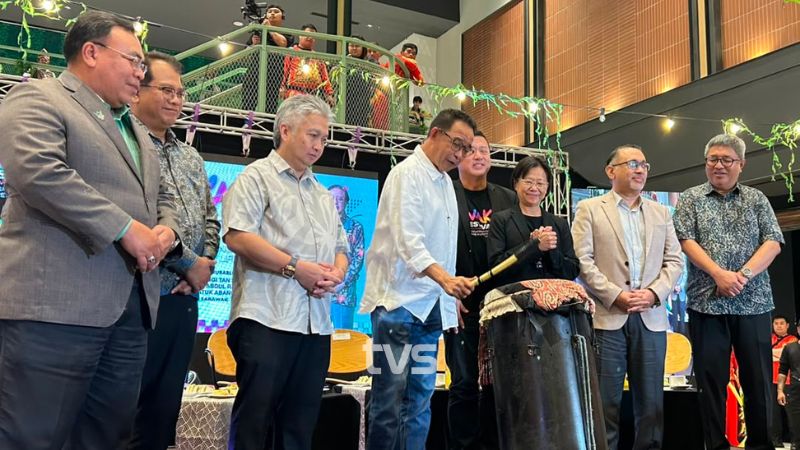
Tiang (fourth right) joins the key officials in a group photo on stage.
KUCHING (Jan 31): Modern, cost-saving techniques like the Industrialised Building System (IBS) are not the total solution when it comes to housing affordability.
This was highlighted by Sarawak Housing and Real Estate Developers Association (Sheda) during a townhall session held at the CIDB Convention Centre Kuching recently.
“True progress requires addressing the entire delivery lifecycle from land acquisition and planning approvals to compliance requirements, infrastructure provision, construction, and finally the issuance of occupation permits and land titles.
“Each layer of this complex process adds time and cost to the final home price.
“To make housing genuinely affordable for Sarawakians, it is essential to move beyond construction-only solutions and launch a comprehensive and coordinated multi-stakeholder review of the entire delivery system,” said Sheda in a statement.
The association said a poll taken during the townhall had indicated that although the majority of organisations represented during the event were interested in incorporating different types of IBS technology, many felt unprepared for the perceived high upfront cost required, especially for the precast systems, as well as limited supply capacity and logistical support systems required for time-sensitive project delivery.
In addition, it said incentivisation to build projects with high IBS content was still considered low.
“The townhall unanimously agreed that the successful adoption of IBS in Sarawak would require decisive and intentional collaboration by multiple industry players with a shared purpose,” it added.
Sheda said workforce competency had also been raised as a critical element in the journey of transitioning from conventional construction to IBS methods, in particular, that the opportunity could strengthen local participation in the ecosystem, build talent and capability, and create meaningful opportunities for Sarawakians within the construction industry.
Policymakers, regulators, manufacturers, developers, contractors and practitioners were among the attendees at the session, jointly organised by the Construction Industry Development Board (CIDB) Malaysia, CIDB Sarawak, Sheda Institute and Sarawak Manufacturers’ Association (SMA).
The event underscored existing challenges and possible ways to break barriers between supply and demand in the area of IBS technologies.
Officiating at the event was state Deputy Minister for Public Health, Housing and Local Government Datuk Michael Tiang, who in his opening remarks, emphasised that IBS should not be understood merely as a regulatory requirement.
“It should serve as a delivery strategy, with the potential to improve construction quality, overall productivity, enhance safety and site management, and provide greater certainty in project timelines and cost control,” he said.
Tiang proposed the creation of an IBS Hub as a strategic intervention, which could counter existing systemic challenges, support standardisation and testing, provide structured training and certification, encourage collaboration across value chains, strengthen confidence in IBS adoption and increase market demand.
The townhall panellists comprised key representatives of SANY Construction Industry Development (M) Sdn Bhd, CTR Prefab Systems Sdn Bhd, SCIB Concrete Manufacturing Sdn Bhd, Sarawak Consolidated Industries Berhad, Asteel (Sarawak) Sdn Bhd, Housing Development Corporation (HDC) Sarawak, Sendayan Properties Sdn Bhd, WACIS Engineering Consultant Sdn Bhd and Arkiskape Sdn Bhd.
The forums were moderated by CIDB IBS Sdn Bhd chief executive officer Zuraihi Abdul Ghani and Sheda advisor Dato Sim Kiang Chiok.
Among those present were CIDB Sarawak director Rosmen Ag Hassan, Sheda president Dato Augustine Wong, Sheda Institute chairman Zaidi Ahmad, CIDB Malaysia Technology Development Division general manager Mohammad Faizal Abdul Hamid, SMA vice-president Stephen Hii, and HDC head of project division Mimi Sulastrie Jeman.



 English (US) ·