


 11 hours ago
6
11 hours ago
6
ADVERTISE HERE
MACAO: From centuries-old fortresses to bustling heritage squares, Macao offers Muslim travellers a cultural journey that extends far beyond its famous casinos and glittering entertainment attractions.
The second day in Macao (Oct13) revealed a different side of the city, where Chinese traditions, Portuguese influences and contemporary experiences come together to create a destination rich in history and diversity.
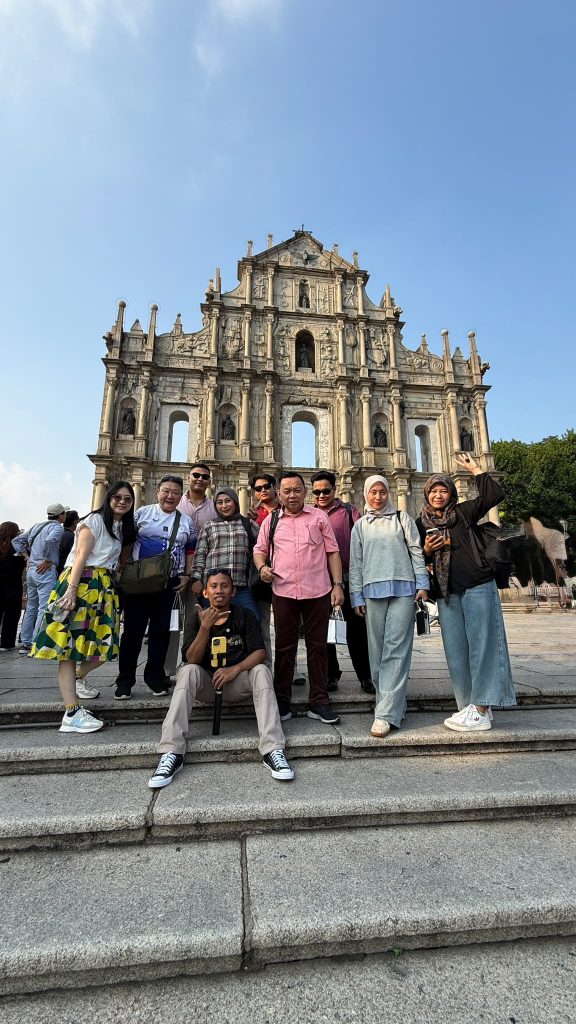 Photocall of Malaysian and Indonesian media at the Ruins of St.Paul.
The visit was part of a four-day media familiarisation trip organised by the Macao Government Tourism Office (MGTO), with AirAsia sponsoring the journey for media representatives from Malaysia and Indonesia.
With nine weekly flights between Kuala Lumpur and Macao in October, AirAsia is also planning additional frequencies in November and December to accommodate growing demand during the peak travel season.
Macao welcomed 188,977 Malaysian visitors last year, followed by 48,903 in the first quarter of this year and another 8,161 in August. Through its ‘Fly You to Macao’ campaign, MGTO is seeking to attract more international visitors, including Malaysians and Indonesians.
Our day began at Guia Hill, a historical landmark offering panoramic views of the city. Its main attractions include Guia Lighthouse, built in 1865 and recognised as the first modern lighthouse on the Chinese coast.
Nearby, Guia Fortress, constructed in 1622, reflects Macao’s military past, while Guia Chapel features 17th-century murals combining Western religious imagery with Chinese artistic influences.
The historical complex is part of the Historic Centre of Macao, a UNESCO World Heritage property.
The media then visited the Forum, where the Ancient China in Cultural and Creative Products exhibition demonstrated how traditional Chinese heritage can inspire modern designs and everyday items.
At Beijing Tong Ren Tang Café, Chinese Medicine Shop and Museum, traditional herbal products and remedies offered another perspective on the cultural practices that continue to shape local life.
A Macao Magnet workshop added a creative touch to the itinerary, allowing participants to make their own cookie-shaped souvenirs.
The journey continued at the Ruins of St Paul’s, one of Macao’s most recognisable landmarks. Its surviving façade stands as a reminder of the city’s religious history, colonial connections and architectural heritage.
The tour guide, Murni Denize, subsequently led the media through MinM Plaza and Senado Square, where visitors could explore local products and experience Macao’s distinctive streetscape.
According to Murni, MinM Plaza attracts international visitors seeking local products, including halal-certified options.
“Macao is synonymous with the sea, and fisheries are among its established industries. Seafood-based products, such as sardines, are therefore popular choices among visitors,” she said.
At Senado Square, Portuguese influences were visible in the historic buildings and distinctive black-and-white wave-patterned pavement, highlighting the cultural exchanges that have shaped the city.
The day concluded with a Portuguese-inspired seafood dinner, bringing together the culinary influences that contribute to Macao’s character.
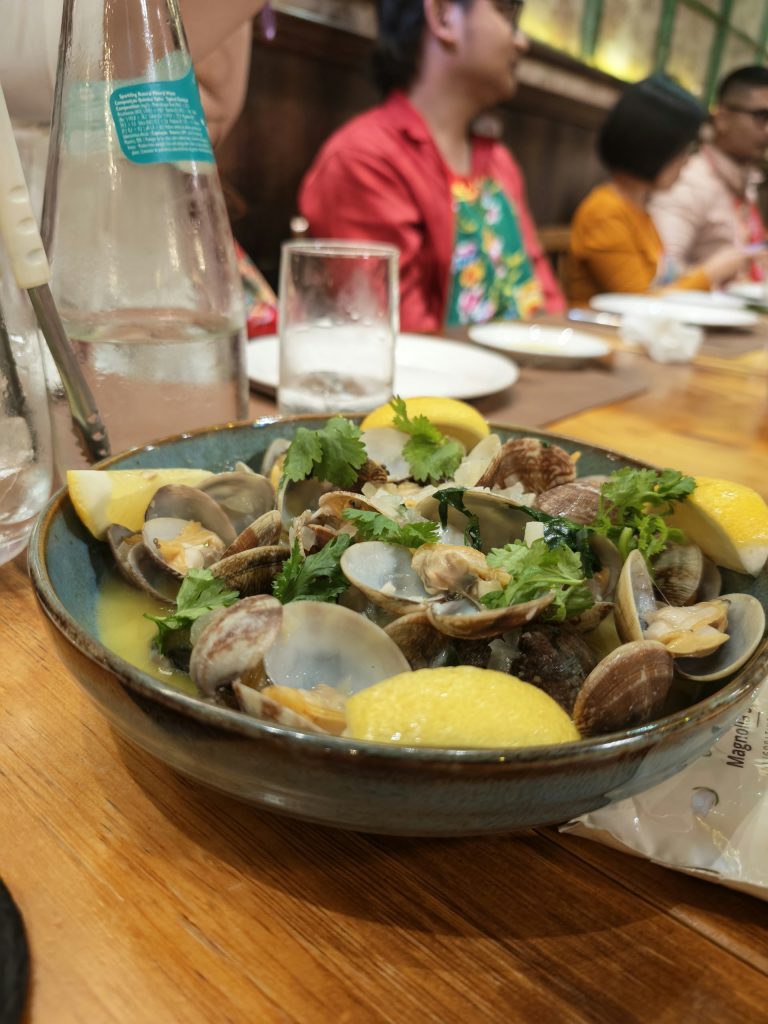 Portuguese food was served to the media during the media trip.
For Muslim travellers, the experience highlighted the importance of looking beyond a destination’s reputation. Although Islam is a minority religion in Macao, selected halal food options and varied cultural attractions provide opportunities to explore the city while considering individual travel needs.
Ultimately, Macao’s charm lies in its ability to preserve its past while embracing modernity, offering visitors a deeper appreciation of a city where East meets West.





 English (US) ·