


 8 hours ago
9
8 hours ago
9
ADVERTISE HERE
KUCHING, Oct 8: The public is urged to normalize conversations about mental health and eliminate stigma against individuals who receive help.
Deputy Health Minister of Malaysia, Dato Hanifah Hajar Taib said the move is important to ensure that individuals in need of support receive appropriate, timely and continuous assistance.
He said mental health is part of overall health that needs to be addressed at all times and not just when a person faces problems or crises.
"A healthy work culture, good communication, mutual respect and willingness to collaborate and share knowledge must be fostered in order to create a safe environment that supports emotional well-being", he said.
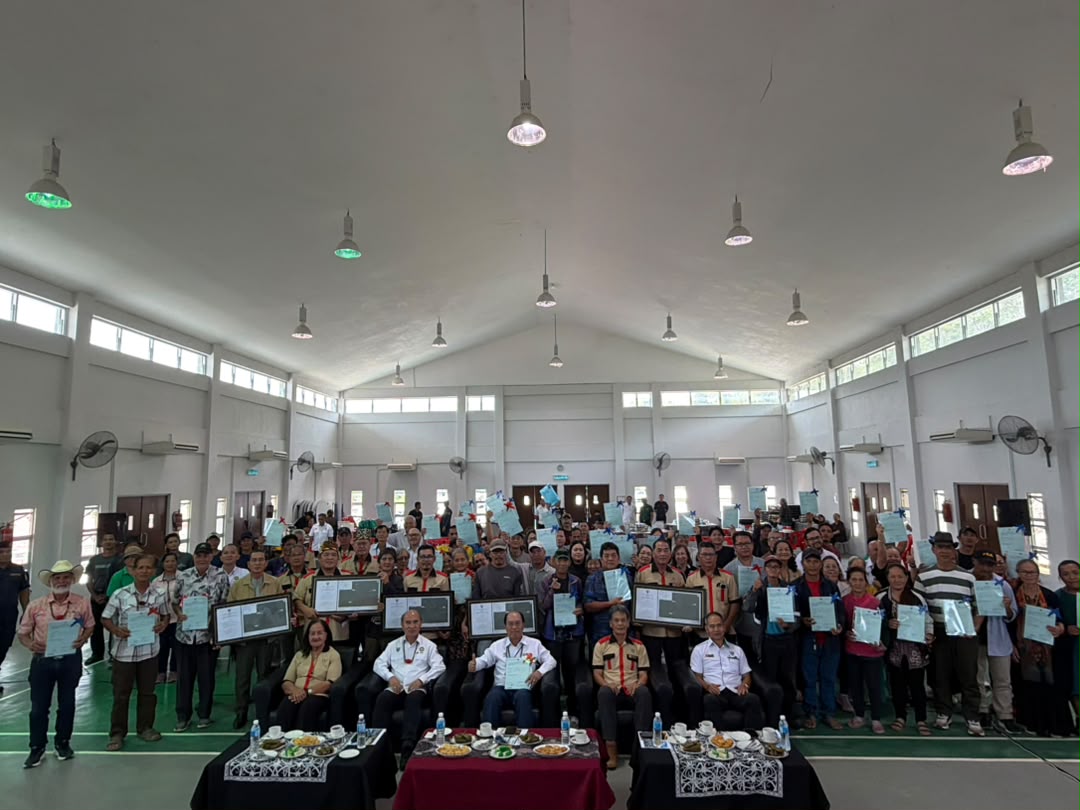
He said this during the completion of World Mental Health Day Celebration by Johor State Rankings and Malaysia Month Shyat Sejahtera by High City Regional Rankings which has the theme 'Living Experience Heard, Real Voice, Realization Change' today.
Commenting on the theme, he said that development of mental health policies, programmes and services should take into account individual experience in addition to statistics and figures.
"Individual experience and insights are important to identify service weaknesses, improve support systems and ensure that real needs of the community are translated into action", he said.
He also stressed the importance of listening without judging and identifying signs of pressure, especially among individuals facing challenges at work or losing loved ones.
In the meantime, he said, concerns about public opinion and a desire to preserve family dignity can cause feelings of resentment and delay efforts to get help.
In this regard, the support of family members, colleagues and trusted individuals is essential in helping them get help.
To bring service to the community closer, Ministry of Health Malaysia has provided a low-cost Community Mental Health Centre (MENTARI), in addition to HEAL Line 15555 for mental health crisis related assistance.
"Getting help is not a sign of weakness, but rather a form of courage and responsibility for yourself and your family", she explained.






 English (US) ·