
 8 months ago
63
8 months ago
63
ADVERTISE HERE

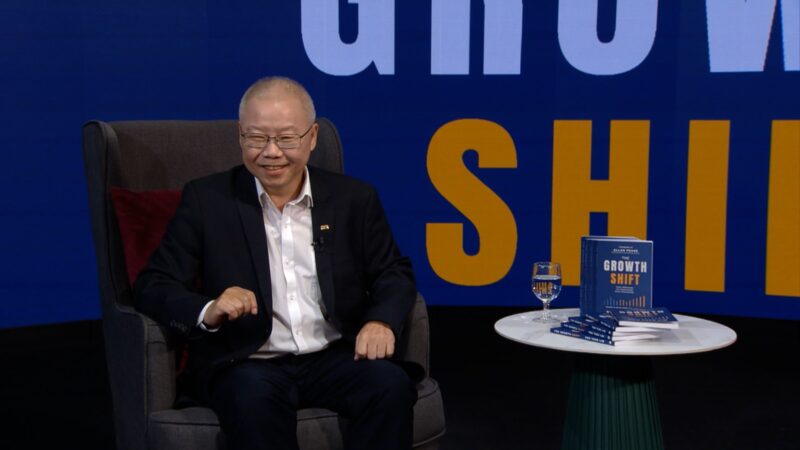
Alex Thien Ching Qiang
SANDAKAN (Jan 11): There is an urgent need for the government to clarify and expedite the implementation of Net Energy Metering (NEM) in Sabah, so as to ensure that the state would not lag behind in the nation’s push for renewable energy.
In making this call, Tanjung Papat assemblyman Alex Thien Ching Qiang described the NEM as a key policy instrument to promote the use of renewable energy, allowing consumers to install their own solar generation systems.
Under its mechanism, the electricity generated is first used for self-consumption, while any excess gets fed back into the grid and be offset from the electricity bills; thereby, reducing overall power costs.
“NEM 1.0 was officially implemented in Peninsular Malaysia in 2016 and subsequently enhanced over the years, culminating in the introduction of NEM 3.0 in 2021 to further encourage rooftop solar adoption.
“Meanwhile, Sarawak has this year rolled out its own NEM mechanism managed by a local energy company, alongside incentives to encourage residents and businesses to par-ticipate in renewable energy development,” said the lawmaker in a statement yesterday.
He pointed out that in comparison with Peninsular Malaysia and Sarawak, Sabah, despite being included in the broader NEM planning framework and with its implementation announced to be phased, had been seeing noticeably slower progress.
“To date, the public still lacks a clear picture of the timeline and concrete implementation plan.”
Drawing from experiences in Peninsular Malaysia and Sarawak, Thien noted that many users of the NEM systems reported tangible benefits, including long-term reductions in electricity costs as well as heightened awareness and adoption of clean energy.
“In Peninsular Malaysia, NEM quotas for residential and commercial users are often fully taken up in a short time, reflecting strong public response.
“In Sarawak, state support and utility-led subsidies, coupled with simplified procedures, have further boosted participation.”
These experiences, Thien pointed, proved that NEM was not merely a policy initiative, but one that could deliver real benefits to consumers and society, including driving renewable energy development, lowering electricity costs, and supporting environmental protection and sustainable development.
The assemblyman expressed hope that the state government would take a more proactive approach in clarifying the direction and timeline for NEM implementation in Sabah, and roll out the mechanism comprehensively so that Sabahans, especially those in San-dakan, would not be left behind in the country’s transition towards green and sustaina-ble energy.





 English (US) ·