


 3 months ago
76
3 months ago
76
ADVERTISE HERE
 A car filling up diesel at a petrol station in Kuching. Photo credit: DayakDaily
Advertisement

By DayakDaily Team
KUCHING, June 25: Diesel sales at petrol stations in Sabah and Sarawak saw a sharp increase, reaching around 200 million litres per month in March and April this year.
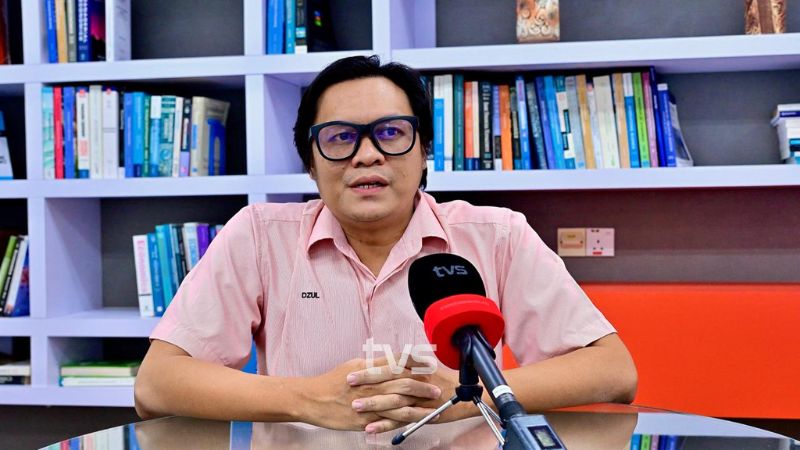
In a TVS news, Second Finance Minister Datuk Seri Amir Hamzah Azizan said the figure is estimated to be nearly double the expected consumption based on the number of registered diesel vehicles in both regions.
Advertisement

He said the nationwide implementation of unsubsidised retail diesel pricing is a key measure to reduce leakages and ensure a more orderly and stable fuel supply in the market.
“The Budi Madani reform delivers two main outcomes: securing the continuity of diesel supply in the national market, while ensuring the public continues to benefit from diesel at a lower price.
“At the same time, leakages involving smuggling and misuse by non-citizens and certain industry players can be better controlled when pump prices reflect market levels, thereby safeguarding supply sustainability,” he told the Dewan Rakyat today.
He was responding to a question from Simpang Renggam MP Datuk Seri Hasni Mohammad, who asked for the rationale behind the government’s decision to standardise the implementation of targeted diesel subsidies.
Amir added that the reintroduction of targeted subsidies is expected to save the government up to RM2 billion annually.
He also cited Department of Statistics Malaysia (DOSM) data showing that more than 80 per cent of diesel users consume less than 200 litres per month, with an average usage of about 140 litres.
However, the government also considers the needs of rural communities and small businesses that depend on four-wheel-drive and light commercial vehicles.
As such, an additional 100-litre allocation under the Budi Madani diesel scheme is available upon application.
“With an entitlement of up to 300 litres per month, it is sufficient for the vast majority of users,” he said. — DayakDaily





 English (US) ·