


 2 hours ago
3
2 hours ago
3
ADVERTISE HERE
KUCHING, Oct 5: Sarawak will develop at least two Waste-to-Energy (WTE) plants next year, each in the northern and southern parts of the region with a potential power generation capacity of up to 1,330 megawatts (MW).
Deputy Minister of Energy and Environmental Sustainability, Datuk Dr Hazland Abang Hipni said that the development is part of the Sarawak Government's efforts to use waste as a new energy source, in addition to generating income and mitigating the impacts of climate change.
According to him, the capacity of 1,330 MW is equivalent to about half the capacity of the Bakun hydroelectric dam, thus indicating a huge potential for waste as an energy source.
"Because we want to generate energy from these residues and with just this we can produce at least 1,330 megawatts. That's half of Bakun and the result you just doubled the electricity price.
"So not only is it, as I said earlier, not only about creating and taking advantage of and creating new income from our waste, but we can also reduce the impact of climate change and reach net zero carbon emissions by 2050.
"So we're going to develop our waste-to-energy projects next year and we're going to build at least two incinerators, one in the north and one in the south and this will be able to generate new energy for the next three years", he said.
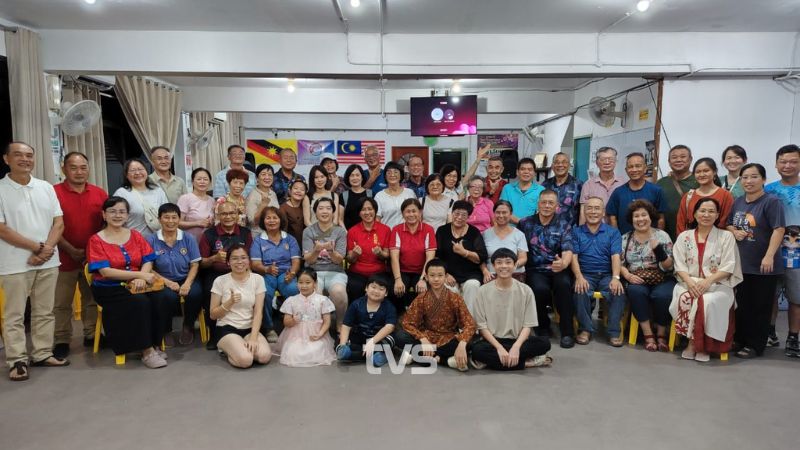
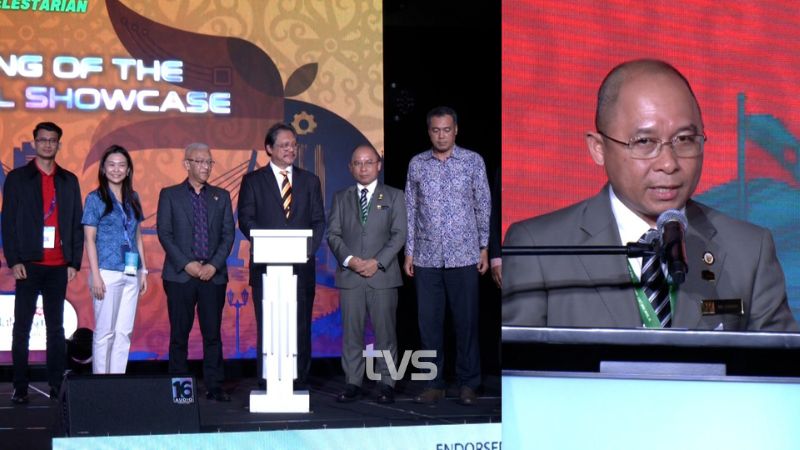
He said this during the inaugural Green and Geopark Excellence Award 2026: Zero Waste Management Conference 2.0 in Kuching, today.
Dr Hazland explained that Sarawak also took an approach of learning technology and management skills from countries with experience in the field such as Sweden, Japan, South Korea, China and Singapore.
He said that the potential of WTE in Sarawak is not limited to municipal remnants, but instead encompasses a range of other resources including timber waste, bioavailability, agriculture, palm coconut and animal residues.
The effort is also seen as a step in supporting Sarawak's goal of achieving net zero carbon emissions by 2050.-TVS

 English (US) ·