


 10 months ago
267
10 months ago
267
ADVERTISE HERE
 Sarawak flags in front of Sarawak Legislative Assembly catching the late afternoon sun. Photo credit: Karen Bong
Advertisement

By Dayangku Hidayatul
KUCHING, Dec 3: The Sarawak Climate and Energy Diplomacy Unit is expected to lead all of the State’s regional and international engagements relating to climate, carbon, and energy transitions.
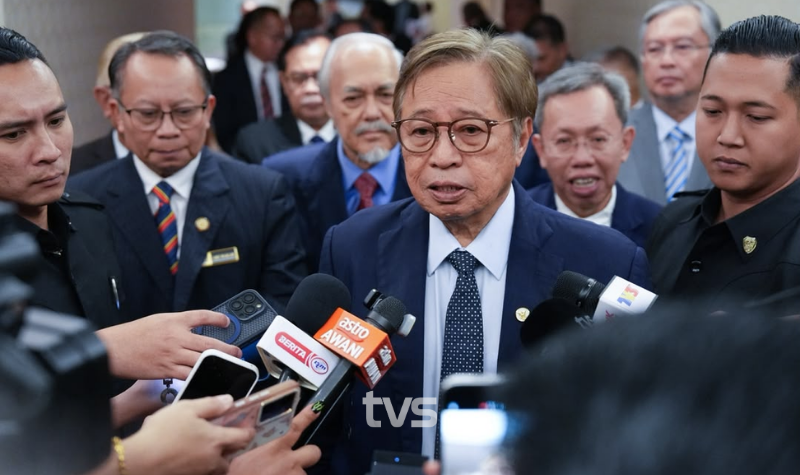
During his ministerial winding-up speech, Sarawak Premier Datuk Patinggi Tan Sri Abang Johari Tun Openg said the Sarawak Climate Change Centre will also be placed under the unit as its technical arm, supporting policy development, data management, and scientific research.
Advertisement

“Through this Unit, Sarawak will advance its frontier of green resources, including hydrogen and ammonia, circular economy initiatives, bio-based materials, CCUS and sustainable aviation fuel feedstock.
“This includes moving towards a modern circular economy that reduces landfill dependence, cuts methane emissions and strengthens resource efficiency across Sarawak,” he said.
In driving the clean energy agenda, Abang Johari stressed the importance of protecting forests and landscapes that sustain rivers and hydropower dams.
“Conservation is not a cost, but an investment that strengthens water security and creates sustainable income for rural communities,” he added.
Sarawak has already surpassed its tree-planting target of 35 million, planting over 55 million trees as of October.
Abang Johari also announced that Sarawak is the first state in Malaysia to issue forest carbon licences to support nature-based carbon projects.
He highlighted a five-year Memorandum of Understanding (MoU) between Sarawak Energy Berhad (SEB) and the International Union for Conservation of Nature (IUCN), aimed at applying international best practices to guide biodiversity management around major infrastructure assets.
These initiatives are expected to generate 250,000 carbon credits from preserved forests to help offset emissions in hard-to-abate sectors.
Abang Johari noted that local and rural communities will take part in designing conservation activities, co-managing forest areas, and developing livelihood projects such as restoration, eco-tourism, and non-timber forest products — ensuring that the value created by carbon markets is shared with those living closest to conservation sites. — DayakDaily

 English (US) ·