


 15 hours ago
3
15 hours ago
3
ADVERTISE HERE
KUCHING: The creative industry can play a bigger role in conservation by using animation, film and digital storytelling to bring the importance of protecting Sarawak’s forests and wildlife to wider audiences.
Deputy Minister of Tourism, Creative Industry and Performing Arts Datuk Snowdan Lawan said creative content could make conservation messages more accessible, particularly to children and younger generations, while creating opportunities for local talents including animators, filmmakers, writers, illustrators, musicians and content creators.
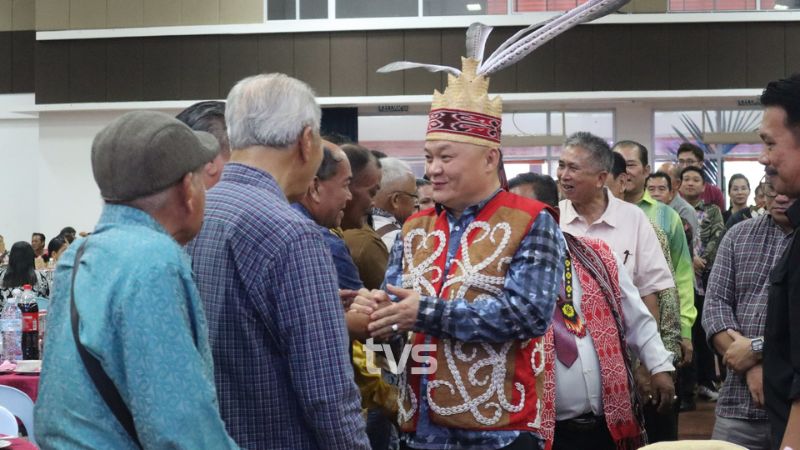
“Conservation can also be communicated through stories,” he said when officiating at the Community Engagement Workshop on the Establishment of Community Conserved Areas (CCA) in Ulu Sebuyau, Sedilu and Gunung Lesong National Parks here on Monday (Oct 5).
Snowdan said Sarawak Forestry Corporation (SFC) was exploring the development of an animation titled Tuyan: Penjaga Senyap Gunung Lesong, featuring the Bornean orangutan and the Gunung Lesong landscape to highlight the relationship between people, wildlife, development and environmental conservation.
He said such creative approaches could complement conventional conservation efforts such as reports, campaigns and signboards by telling stories rooted in the environment, local communities and their experiences.
“Through approaches like this, we can also create opportunities for local creative talents to play a role.
“This is where conservation, community and the creative industry can come together,” he said.
Snowdan said the potential of creative content was particularly important in helping younger generations understand that forests were more than green areas on a map, as they were habitats for wildlife, sources of livelihood and part of the heritage entrusted to future generations.
He said the CCA initiative in Ulu Sebuyau, Sedilu and Gunung Lesong should similarly be viewed as a shared responsibility involving communities, government agencies, non-governmental organisations and other strategic partners.
He stressed that conservation should not be separated from the well-being of communities living around the protected areas.
“Conservation and livelihood should not be seen as two things that are in conflict or where we have to choose one over the other.
“Instead, we need to find space where conservation can support livelihoods, and sustainable livelihoods can, in turn, support conservation,” he said.
Snowdan said the approach was aligned with the Post Covid-19 Development Strategy 2030, particularly its aspirations for environmental sustainability, social inclusivity and economic prosperity.
He said communities should not merely be recipients of conservation initiatives but active partners in their planning, implementation and management.
“Their knowledge of local history, natural resources, culture, customs and economic potential should form part of the development of the CCA.
“Community participation should not be a formality. It must be meaningful participation,” he said.
Snowdan also highlighted the potential for community-based tourism and community-based enterprises to create sustainable income opportunities linked to conservation.
He said tourism and forestry were among Sarawak’s key economic sectors, while protected forests and biodiversity could provide the foundation for nature-based tourism, with traditional knowledge, culture and local products adding value to the visitor experience.
However, he cautioned that tourism development must benefit the communities and should not undermine the environment, culture or identity that made the destinations attractive in the first place.
“Tourism must serve the community, and not the other way around,” he said.
Snowdan said the success of CCA would also depend on building the capacity of communities through training in tourism management, nature guiding, interpretation, entrepreneurship, marketing, financial management, product development and sustainable resource management.
He said technology and digitalisation could further help communities promote tourism products, document local knowledge, map resources, record biodiversity and connect community enterprises with wider markets.
“Ultimately CCA should be built on trust, mutual respect and shared responsibility, with communities having a sense of ownership over the initiative.
“Its success will depend on whether the community sees value in it, participates in it, and ultimately takes ownership of it,” he said.
Snowdan said the long-term goal was to connect nature, people, culture and sustainable development, enabling Sarawak to protect its biodiversity while empowering communities and creating sustainable economic opportunities.




 English (US) ·