


 7 months ago
59
7 months ago
59
ADVERTISE HERE

(From second left) Chong, Loreta, Dr Rundi, Tiong, Wong, and Henry toss yee sang at CCK’s Pre-Chinese New Year Dinner 2026. – Photo by Chimon Upon
KUCHING (Feb 12): Sarawak must strengthen its food production strategy to safeguard long-term food security amid rising geopolitical tensions and climate uncertainty, said Dato Sri Dr Stephen Rundi Utom.
The Food Industry, Commodity and Regional Development Minister said the state cannot afford to remain overly dependent on imports, especially for key food items such as rice and animal feed, as global disruptions continue to pose risks to supply chains.
Speaking at the CCK Poultry Unit Pre-Chinese New Year Dinner 2026, he commended CCK Consolidated Holdings Berhad (CCK Group) for its resilience in maintaining poultry and livestock supply over the years, describing the company as synonymous with food security in Sarawak.
“You have maintained our supply even at times when you have faced challenges with eggs and chicken.
“I think it’s time for CCK’s leadership to serve as a model for those aspiring to enter poultry and livestock production,” he said here on Wednesday.
While Sarawak has made progress, Dr Rundi pointed out the state’s self-sufficiency level (SSL) for livestock, particularly beef, currently stands at only around 17 per cent and in need of urgent improvement.
He also noted that the high cost of animal feed is one of the sector’s biggest challenges, while unpredictable weather and diseases, including gut-related viruses in livestock, pose additional long-term threats.
To address these challenges, the state government is exploring innovative solutions such as using local biomass, including oil palm leaves, will be used to produce animal feed, with a target of 100,000 tonnes over the next two years.
He said collaboration with agencies such as the Sarawak Land Consolidation and Rehabilitation Authority (Salcra) and partnerships with other states will help secure raw materials, reduce costs, and strengthen long-term food security.
On modern agriculture, he stressed that technology adoption is crucial, as closed-system farming, digital monitoring, and mechanisation can make agriculture more efficient and appealing to younger generations.
“Farming used to be dirty, difficult, and dangerous. Today, with greenhouses, mechanisation, and proper tools, young people can pursue it professionally,” he said.
He also highlighted the importance of knowledge transfer between veteran farmers and young aspirants.
“By combining experience with innovation, we can prepare the next generation to overcome challenges and transform Sarawak’s agriculture,” he said.
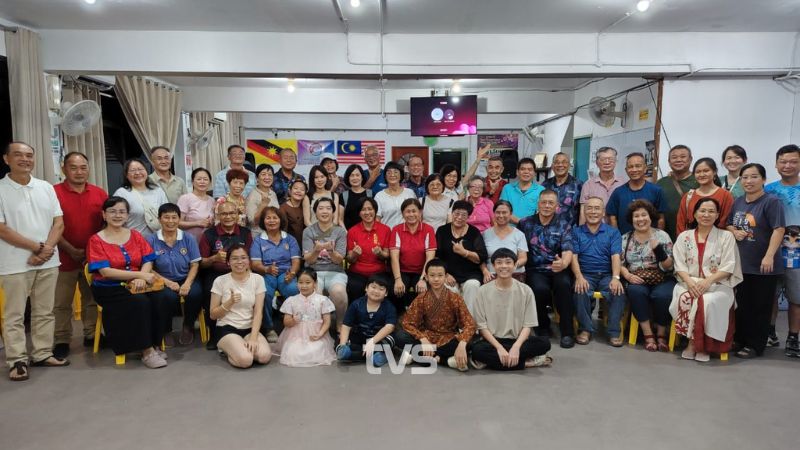
Noticing the wide range of ages among CCK Group personnel at the dinner, Dr Rundi cited the group as an example of resilience and exemplary leadership that inspires others.
“If you can overcome challenges, so can they. That is why it is important to share best practices, demonstrating the right ways of doing things, so that, in the future, Sarawak’s economy can grow beyond oil and gas to include manufacturing, agriculture, and other industries,” he said.
Among those present were Dr Rundi’s wife Datin Sri Loreta Sawot, Transport Deputy Minister Datuk Henry Harry Jinep, Department of Veterinary Services Sarawak director Datu Dr Adrian Susin Ambud and his wife Datin Gertrude Paul Diring, Batu Kitang assemblyman Datuk Lo Khere Chiang, Opar assemblyman Billy Sujang, CCK Consolidated Holdings Berhad chairman Tan Sri Datuk Tiong Su Kouk and his wife Puan Sri Datin Wong Bak Hee, as well as vice chairman Chong Shaw Fui.



 English (US) ·