


 7 months ago
123
7 months ago
123
ADVERTISE HERE

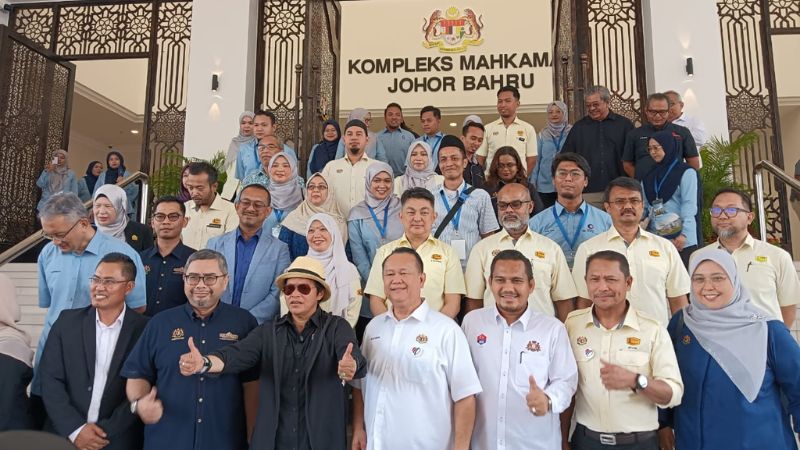
Participants at the SWWS roundtable discussion in Kuching.
KUCHING (Feb 4): The Sarawak Women for Women Society (SWWS) recently held a roundtable discussion with key native bodies to present findings from its report on native ‘adat’ and marriageable age, following 18 months of statewide consultations involving native leaders, women and youth.
During the consultation period, SWWS facilitated discussions across Sarawak, engaging nearly 300 participants from 12 different ethnic groups to better understand perspectives on early marriage and teenage pregnancy within native communities.
SWWS president Dr Angie Garet said the discussions were organised amid growing global, national, and local concern over early marriage and teenage pregnancy, which are known to negatively affect girls’ physical and emotional health, increase the risk of poverty for young mothers and their children, and, in some cases, conceal abusive relationships.
She noted that Native Customary Laws do not specify a marriageable age, as age was not measured numerically when these laws were formed, with time traditionally marked by agricultural cycles.
However, there was an underlying assumption that marriage would take place when couples were mature enough to raise and provide for children.
“According to the report, the challenge today is translating that traditional wisdom into a modern context, where the ability to support a family often requires extended education and a stable source of income,” SWWS said in a statement.
Workshop participants observed significant differences between past and present circumstances, noting that while teenagers in earlier generations were often better prepared for parenthood, today’s youth need to remain in education for longer.
There was a general view that both girls and boys should delay marriage and starting a family until they are older, though concern remained for those who do not.
“While early marriage was sometimes linked to poverty, participants identified pregnancy as the primary trigger, which often increased financial and emotional strain.
“In such cases, native marriage was seen as a way to reduce stigma and protect the boy, often a peer from the same village or school, from prosecution.
“However, it was observed that early marriages frequently led to divorce, with grandparents eventually taking on caregiving roles for the children,” the statement read.
To address these issues, participants proposed more effective and accessible sexual and reproductive health education, as well as creating supportive and non-judgemental spaces for young people to discuss personal issues with trusted adults, including parents.
The report highlighted a communication gap between parents and youth, with many parents feeling uncomfortable discussing such topics and lacking awareness of modern influences shaping young people, particularly online content.
A youth participant said that while parents may love their children, they often struggle to adapt their parenting to modern realities and provide emotional support.
At the same time, some women participants noted that overly permissive parenting also posed risks to teenagers.
Across all five locations visited during the consultations, improving parenting skills, particularly in communicating with and guiding teenagers, was identified as a key need.
The roundtable was attended by Datuk Jefferson Jamit Unyat, representing Datuk Seri John Sikie Tayai from the Premier’s Office; Dato Ronnie Edward from the Majlis Adat Istiadat Sarawak (Mais); as well as representatives from the Native Court, Dayak Bidayuh National Association (DBNA), Sarakup Indu Dayak Sarawak (SIDS), Federation of Orang Ulu Associations Sarawak Malaysia (Forum), and Sarawak Dayak Graduates Association (SDGA).
While differing views were expressed on what age should be specified for marriage, participants agreed on the need to raise awareness, encourage later marriage, and promote postponement of parenthood until couples are ready and able to care for children.
It was also strongly felt that when pregnancy occurs outside marriage between consenting teenagers, both parties should be supported rather than punished.
SWWS said it has previously raised this approach in its reviews of the Penal Code and the Sexual Offences Against Children Act, proposing more flexible legal options for handling consensual peer relationships while maintaining safeguards against exploitation and coercion.





 English (US) ·