


 8 months ago
118
8 months ago
118
ADVERTISE HERE

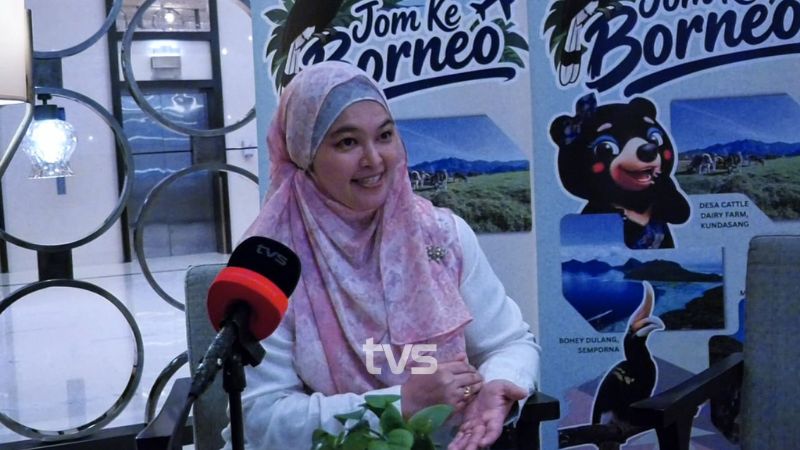
Fatimah (centre) fields questions from the press. — Photo by Kelly Chong
KUCHING (Jan 21): Early childhood education preparedness remains the key focus even when parents are given the option to enrol their children into Year One at the age of six starting in 2027.
Sarawak Minister of Women, Childhood and Community Wellbeing Development Datuk Seri Fatimah Abdullah said that while many children are ready to begin formal education at six, others may not be.
She stressed that flexibility and proper support systems were crucial in implementing the policy.
“That is why I have suggested that if this is implemented in 2027, teachers who receive these children in Year One should also receive their files from preschool teachers.
“In preschool, there are files that document a child’s progress and are shared with parents. These records should be passed on so Year One teachers understand each child’s development,” she told a press conference.
Fatimah was responding to Prime Minister Datuk Seri Anwar Ibrahim’s announcement on Tuesday that starting in 2027, Malaysia will lower the optional entry age for preschool to five years old and Year One to six years old as part of the National Education Blueprint 2026-2035.
She highlighted that under the current system, some children still struggled on their first day of school despite having attended preschool, which was indicative of the varying levels of readiness.
“Although children may be of the same age, their developmental progress differs. Some are ready at six, but others are not.
“Records from preschool would help Year One teachers identify each child’s needs, including issues related to learning progress, shyness, autism or dyslexia.
“Teachers need to understand that some children are not ready yet — they should be supported, not reprimanded, and helped to adjust gradually.”
Fatimah also raised concerns over whether two years of preschool was sufficient to prepare children for primary school.
In this regard, she said that recent developments in education, particularly those involving young children, would be discussed at a Sarawak Early Childhood Development Council meeting on Feb 24 involving representatives from kindergarten associations, preschool teachers, and childcare centre operators.
“We will discuss the impact of these changes, including the need for curriculum adjustments and the services that must be provided by kindergarten, childcare centre and Kemas (Community Development Department) operators.
“The main priority is ensuring that children who are not yet ready are not left behind, and will continue receiving the appropriate support.
“Education should be child-centric and cannot be implemented using a one-size-fits-all approach, because every individual develops at a different pace,” she said.
Meanwhile, Fatimah lauded the “appropriate and timely” exemption of tuition fees for persons with disabilities at public institutions of higher learning and polytechnics.
“It is a good step because for persons with disabilities to achieve the same level as others is not easy. What they achieve, whether in academics or sports, is extraordinary.
“This initiative should encourage more individuals with special needs to pursue higher education, and is the manifestation of a government that cares for the welfare of persons with special needs,” she said.


 English (US) ·