
 5 hours ago
6
5 hours ago
6
ADVERTISE HERE
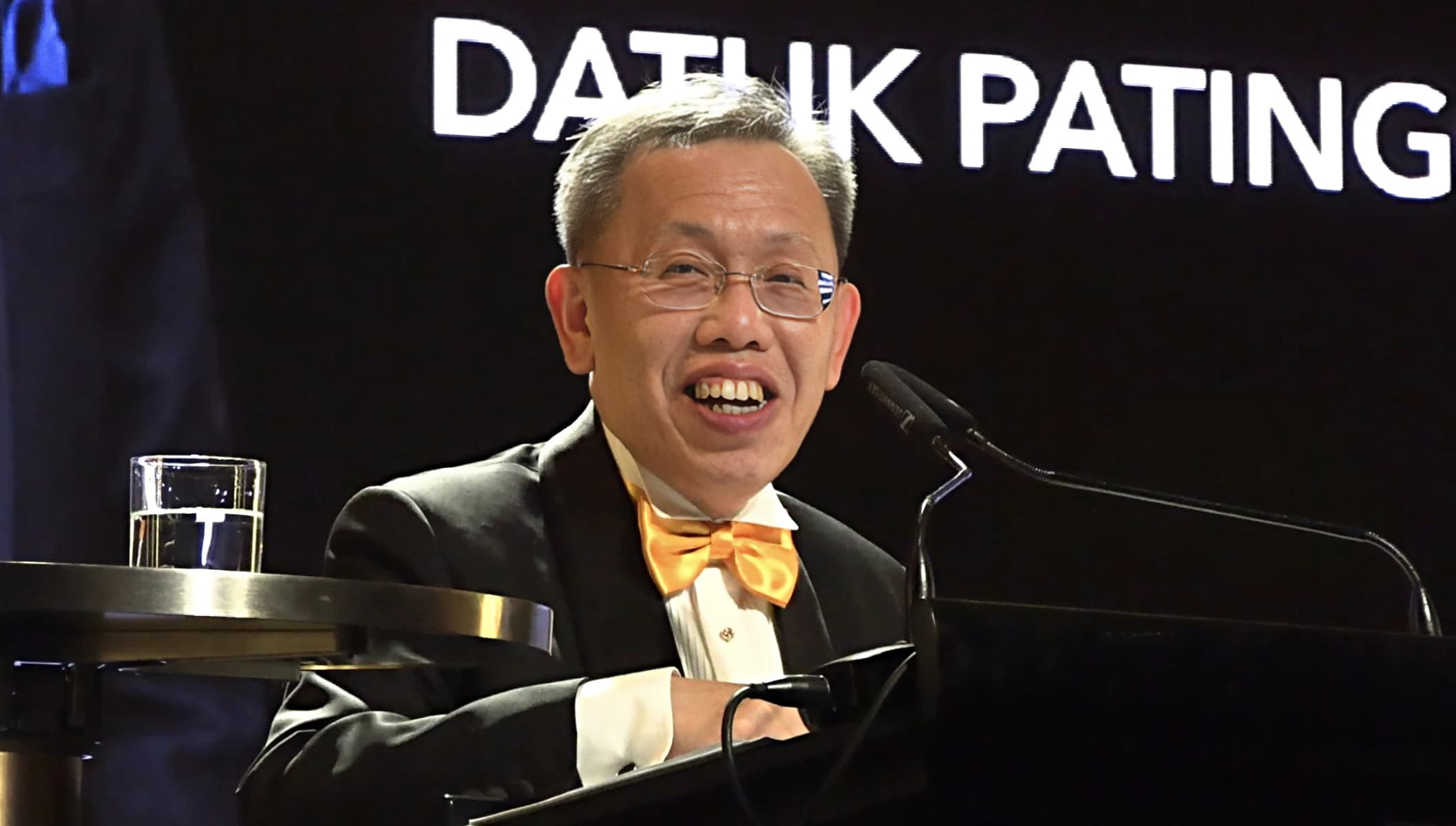
 (From left) Sng, Tan and Wong at the Unity in Diversity: A Dialogue on Malaysia’s Shared Future forum held at HELP University Damansara on Sept 21.
Advertisement

By DayakDaily Team
KUCHING, Sept 30: Education, tourism and local government could be among the areas where selected powers are devolved or shared with the Sabah and Sarawak governments to better reflect local conditions and development needs.
Julau MP and Parti Bangsa Malaysia (PBM) president Datuk Larry Sng highlighted this during the Unity in Diversity: A Dialogue on Malaysia’s Shared Future forum at HELP University Damansara on Sept 21.
Advertisement

Sng said greater State autonomy should not mean a complete transfer of powers, but a more balanced arrangement that would allow federal and State governments to work together in areas where local circumstances required greater flexibility.
“We should devolve some of the powers, but not all the powers,” he said in a media release.
He maintained that key areas including foreign affairs, policing and the armed forces should remain under federal control.
“Shared arrangements could enable State and federal authorities to jointly develop these sectors while responding more effectively to issues specific to Sabah and Sarawak,” he added.
The implementation of the Malaysia Agreement 1963 (MA63) and greater State autonomy were among the central issues discussed during the forum, which focused on national unity and fairer development for Sabah and Sarawak.
The dialogue was organised by the Borneo Student Alliance and led by chief organiser and moderator Telford Engan Tan. It featured Sng and Tanjung Aru assemblyman and Parti Warisan vice-president Datuk Junz Wong as panellists.
Wong said meaningful national unity required the concerns of East Malaysia, particularly those relating to representation, development and the implementation of MA63, to be addressed.
He said the claims by Sabah and Sarawak were aimed at securing rights and arrangements that had been agreed upon when Malaysia was formed.
“We’re trying to get back what was originally agreed upon and stipulated in the Malaysian Agreement and to be given back to us,” he said.
Wong also called for closer cooperation between Sabah and Sarawak on issues of common interest, including their rights within the federation and economic development.
In his welcoming address, Tan emphasised the importance of recognising Sabah and Sarawak as equal partners in the formation of Malaysia and ensuring that their communities remained part of the national conversation.
“Sabah and Sarawak are not supporting characters in the Malaysian story. We are equal partners in the formation of this federation. We should not be left out of the national agenda,” he said.
Tan highlighted representation, fairness and development as key concerns for East Malaysia, while also drawing attention during the dialogue to challenges faced by rural students in accessing online learning during the Movement Control Order (MCO).
Both panellists encouraged young Malaysians to take a more active role in public life.
Sng urged students to engage with communities holding different perspectives, while Wong encouraged them to assess political leaders based on their actions and track records.
The question-and-answer session also touched on local infrastructure and the role of the civil service in implementing government policies. — DayakDaily





 English (US) ·