


 51 minutes ago
8
51 minutes ago
8
ADVERTISE HERE
KUCHING, Oct. 6: Public service innovation needs to bring about clear change by facilitating work processes, speeding up delivery, reducing costs and making long-term impacts.
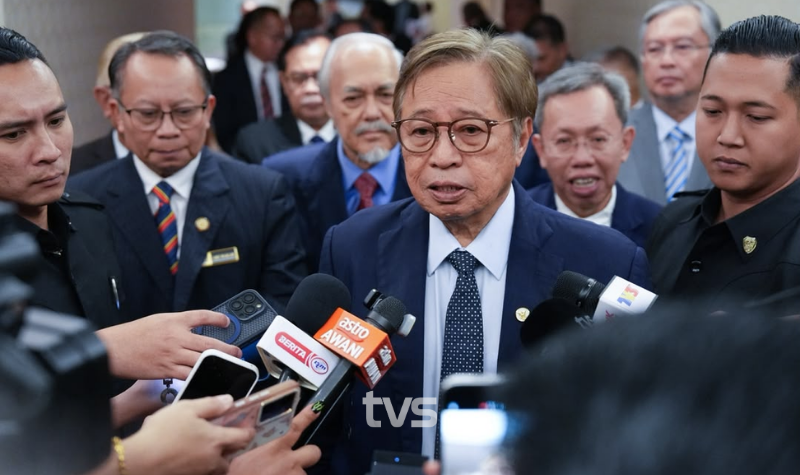
The Permanent Secretary of the Sarawak Ministry of Urban Development and Natural Resources, Datu Abdullah Julaihi said innovation should also be adapted to existing work processes and procedures as well as supported by integrity to ensure that some reforms can be maintained as a working practice and not just a temporary solution.
"Innovation is supposed to facilitate the process. What used to be 20 processes is now two processes. Innovation should also speed up the process. Two months ago, now it's two hours. Innovation should cut costs. If we used to spend RM1 million, now we spend RM100,000. Innovation should have a long-term impact.
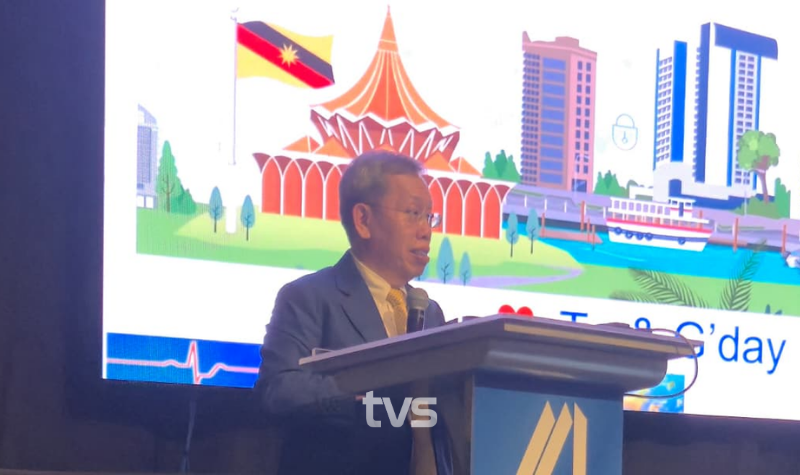
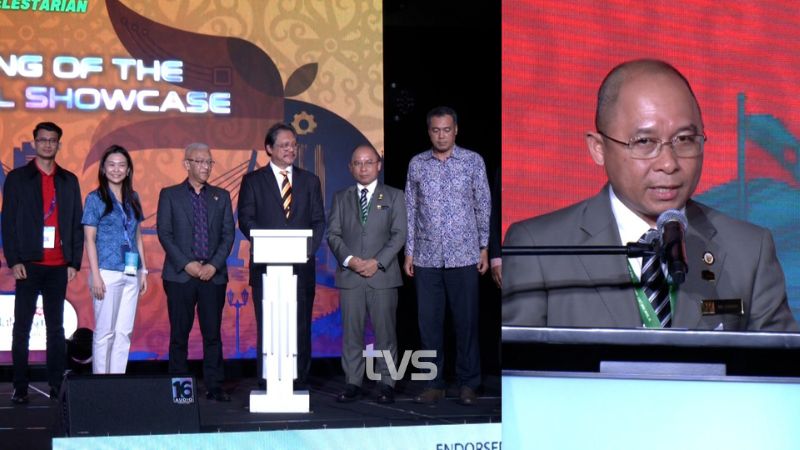
"When that innovation impacts ourselves, the department, the public service and the people, it is enough for us to be proud that we have carried out the task of innovation", he said as he inaugurated the Sarawak Forest Department (JHS) Innovation Month 2026 program here today.
In his view, innovation that is only implemented to solve a situation once is not enough; instead it should have the potential to be put into practice in day-to-day operations such as improving processes and working procedures.
Abdullah said JHS citizens should also see complaints and problems in the implementation of work as an opportunity to generate new ideas, besides not being overly defensive against reproaches that could be a catalyst for improvement.
Meanwhile, Sarawak Forest Director Datu Hamden Mohammad said that the success of innovation should not be based only on the recognition received, but rather to the extent that an innovation continues to be applied, solves problems and benefits JHS and stakeholders.
"The value of innovation is not determined by the sophistication of tools or the amount of spending alone. Consistent use and measurable results determine the actual value.
"The principle of Revisit, Rethink and Recharge or 3R is our guide. We reassess existing practices, think about more appropriate delivery methods, and renew our commitment to delivering excellent service", he added.
Obviously, potential innovations need to be well documented, protected as intellectual property when appropriate and extended their use to other parts or Regional Forestry Offices in order for the benefits to be enjoyed more widely.
He said the use of technologies such as drones, LiDAR (Light Detection and Ranging), data analytics, automation and artificial intelligence also required enhanced skills for officers, in addition to sharing expertise and transferring knowledge to ensure innovation is implemented responsibly. - TVS


 English (US) ·