


 1 hour ago
7
1 hour ago
7
ADVERTISE HERE
As Borneo’s traditional stories find new life through film, animation and digital media, the challenge is to embrace innovation without losing their cultural meaning. The key lies not only in preserving heritage, but also in nurturing the people and creative ecosystem needed to carry it into the future.
Old Stories, New Ways of Telling
The stories we hear today do not necessarily reflect those told yesterday. Like our cultural oral traditions, stories passed down through generations may not always remain in their original form, with elements added, omitted or even taken out of context along the way.
Yet perhaps that is also the nature of heritage: it changes with the people who carry it and how they present it. At the heart of the recent International Digital Economy Conference Sarawak (IDECS) panel session, ‘Turning Heritage Into Global Content’, featuring ‘The Culture Capital’ Malcolm Mindang and Sabah Creative Economy and Innovation Centre (SCENIC) representative Uliantie Sarjuni, was one central idea — while the way heritage is presented may change, its creative DNA, values and meaning should not be lost in the process.
Uliantie recalled how, as a little girl growing up in her hometown in Sabah, her grandfather would tell her folklore stories before bedtime.
“But that storytelling travels only to me, but not to my children. So that ends there,” she said.
However, under an initiative by the Sabah government, SCENIC has introduced film and animation to bridge the gap between heritage and younger generations.
Uliantie added that a local AI animator had adapted the folklore of ‘Nunuk Ragang’, which was well received.
For Uliantie, film and animation offer a way for stories once confined to oral tradition to travel beyond the communities that first told them.
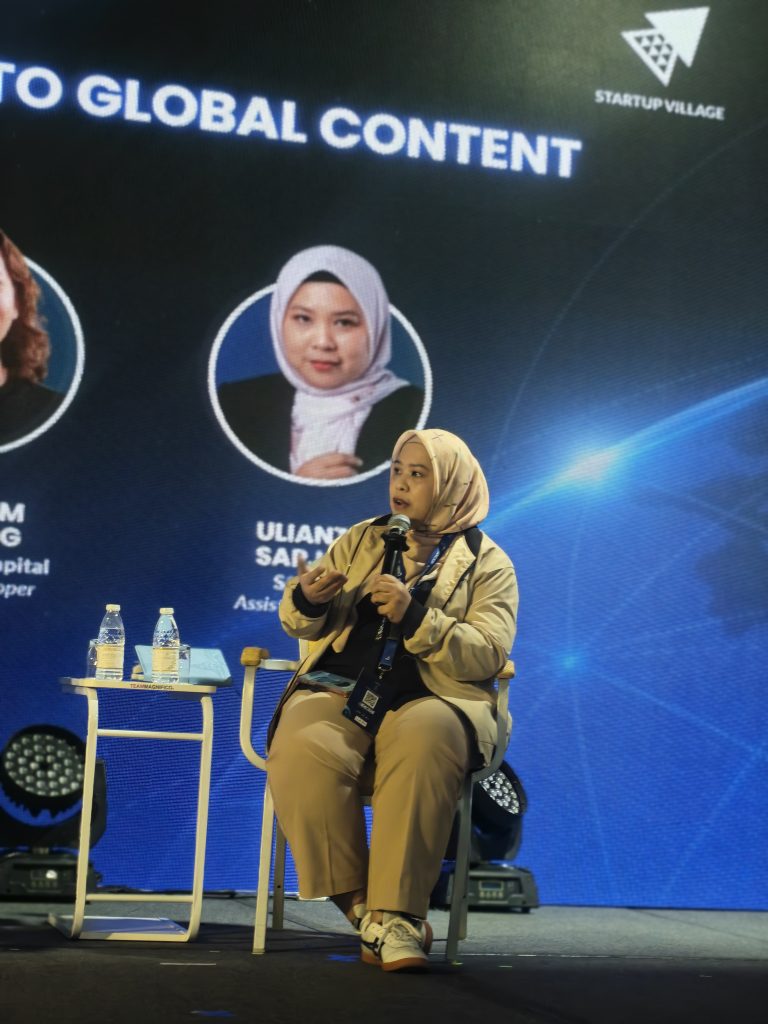 Uliantie Sarjuni.
Travelling stories
As stories age, so does the way they are told. But to Malcolm, changing the medium does not necessarily mean losing the heritage itself.
Drawing on his recent work with oral traditions in Ulu Katibas, he shared how traditional Iban storytellers, known as lemambangs, preserve stories about the people, rivers and history of their respective communities.
“I asked him whether he thought the stories could be adapted into films. He gave me an interesting answer. He said that stories and oral traditions had been adapted many times. I won’t know whether what I tell you today is the same as what my great-grandfather told my grandfather,” Malcolm said during the panel session.
This, however, is the nature of oral tradition. As communities move away from longhouse living and into modern city life, the way stories are told inevitably changes. What matters, Malcolm said, is that the values embedded in those stories continue to live on.
Perhaps this is where heritage meets technology — not in trying to preserve every story exactly as it was told, but in finding new ways to ensure that its meaning does not disappear.
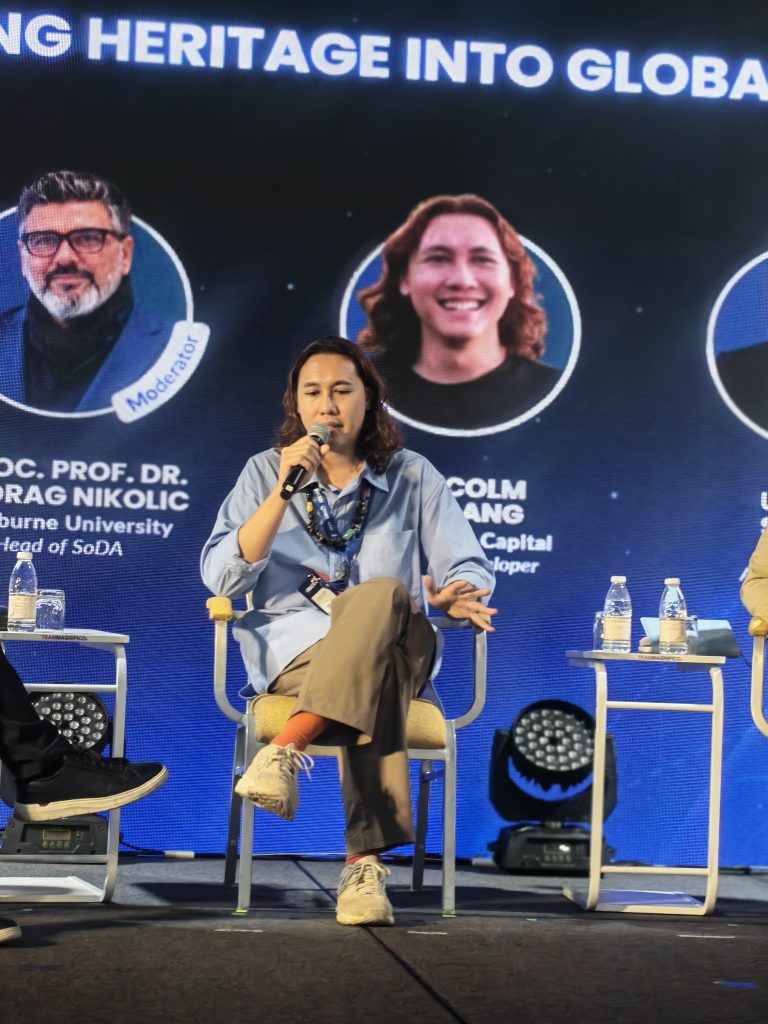 Malcolm Mindang.
Drawing the line
As stories travel, how can heritage endure, especially when it changes with the people who carry it? The question arose when the discussion turned to the growing commercialisation of heritage, from traditional crafts and designs to stories and cultural practices transformed into products and content for wider audiences.
Malcolm observed that culture is now being shared widely, making it increasingly difficult to determine where the boundaries lie.
“Everyone is sharing culture everywhere. Anyone can learn how to weave, how to make beads and how to create heritage handicrafts. The more these skills are shared and reinterpreted, the more blurred the line becomes,” he said.
This also raised the question of authenticity. Rather than simply asking whether something is authentic, Malcolm questioned what authenticity itself means when dealing with living traditions.
“Objects can be authenticated; oral traditions are hard to authenticate,” he said.
He cited the story of Puteri Santubong as an example. At the Borneo Cultures Museum, one version tells how Puteri Sejinjang was cursed and became one of Sarawak’s major islands. In Malcolm’s own community, however, the story is told differently — Puteri Sejinjang became a rock.
“So, whose story is right? Who is authentic here?” he asked.
Malcolm suggested that authenticity may not lie in ensuring every detail of a story remains unchanged, but in preserving the values it carries.
“It’s not about the authenticity. It’s the value of that story that was told.”
Perhaps that is where the line begins to take shape.
Heritage can be retold, animated, filmed, digitised and even turned into an immersive experience. But when the values behind it are stripped away to make it more marketable, what remains may be merely the appearance of heritage rather than its essence.
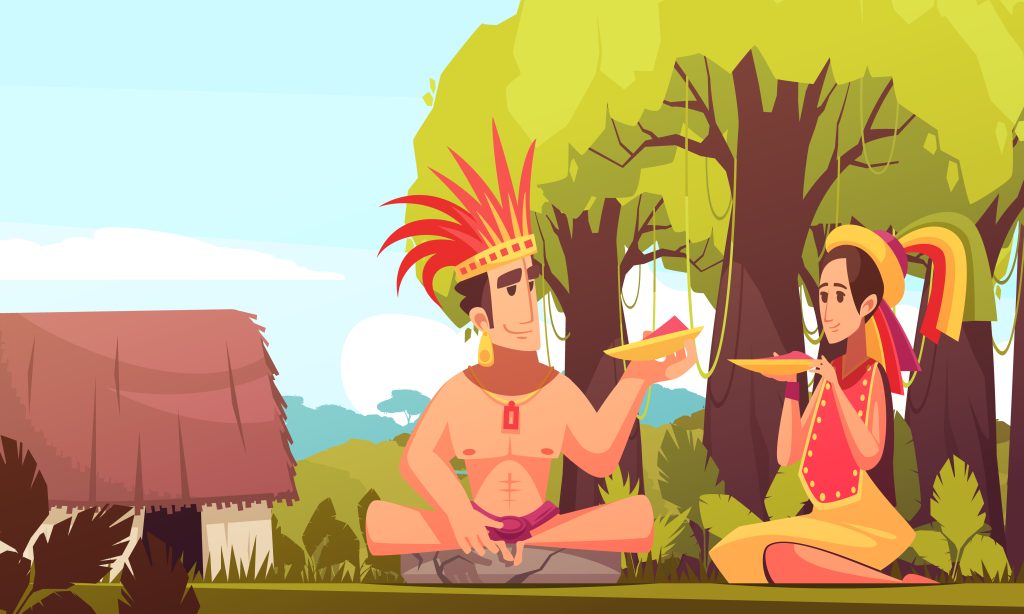 Like our cultural oral traditions, stories passed down through generations may not always remain in their original form, with elements added, omitted or even taken out of context along the way.
Building the ecosystem
If heritage is to travel through new forms of media, another question remains: is Borneo ready with the people and ecosystem needed to make it happen?
In Sabah, the answer is beginning to emerge. Uliantie pointed to Sabah-based start-up ReviewBah and its Borneo Adventure Hunt, an immersive augmented reality (AR) and virtual reality (VR) game that offers users an interactive experience.
She noted that the technology and creative capabilities were gradually developing. The bigger question, however, is whether audiences are ready to embrace these new ways of experiencing heritage.
Malcolm sees another gap. He believes Borneo is “somewhat ready” for new technologies, with people becoming increasingly familiar with AI and other digital tools. However, familiarity with technology does not necessarily mean there are enough skilled people to turn it into a sustainable industry.
That, he said, comes back to creating a future for young people who want to work in these fields. Drawing on his fieldwork in longhouses, Malcolm said many young people remained sceptical about the prospects of digitalisation.
While stories, traditions and cultural knowledge remain vital, preserving them is essential, particularly when the people who carry them are also seeking a future of their own.
For Malcolm, the conversation about digitalisation is therefore about more than technology.
Young people need to see where these skills can take them, whether as filmmakers, animators, game developers, designers or storytellers. Without clear pathways into the industry, it will be difficult to develop the expertise needed to keep these creative opportunities within Borneo.
This highlights a wider challenge for the region. Borneo may have no shortage of stories, traditions and cultural knowledge, but turning them into global content requires more than a good idea. It requires trained people who can develop those ideas, businesses that can sustain them and an ecosystem that allows young talent to see a future for themselves in Borneo.
Emphasising this point, Uliantie said this was where the government came in. Rather than becoming the creator of every cultural story, she believes government agencies should focus on creating the right conditions for creators to work, from providing opportunities and support to fostering an environment where heritage can be developed, shared and commercialised.
After all, technology can provide the tools to take a story further. But without the people and ecosystem to carry it forward, the story may never travel beyond the place where it began.
Perhaps that is the bigger challenge facing heritage in Borneo today. It is not simply about finding new ways to tell old stories, but about ensuring there are people who can continue telling them — in whatever form the next generation chooses.
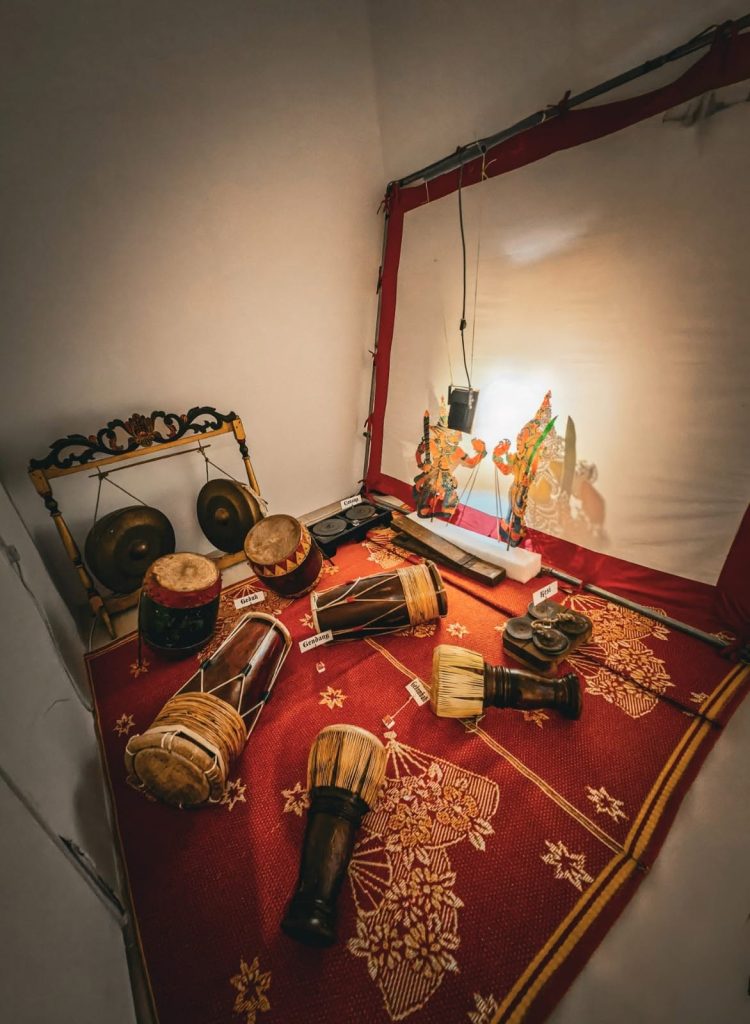 While stories, traditions and cultural knowledge remain vital, preserving them is essential, particularly when the people who carry them are also seeking a future of their own. Photo: Tourism Malaysia


 English (US) ·