
 9 hours ago
2
9 hours ago
2
ADVERTISE HERE
BINTULU: More than 50 parties and investors have expressed interest in Sarawak’s paddy development as the state moves to roll out a new Design, Build, Operate and Transfer (DBOT) model.
Food Industry, Commodity and Regional Development Minister Datuk Seri Dr Stephen Rundi Utom said discussions and assessments are underway to identify parties with the financial strength, technological expertise and capability to undertake the projects.
He said the DBOT approach is aimed at accelerating the development of infrastructure needed to expand paddy production in Sarawak.
“We have more than 50 interested parties or investors who are now in dialogue and being interviewed.
“We want those with the capacity, capability and technological expertise, as well as those who are financially strong.
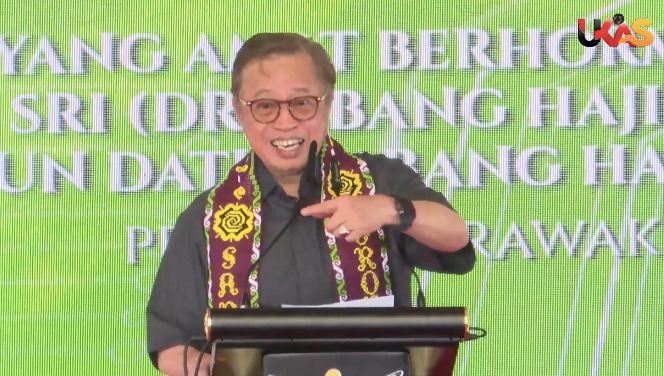
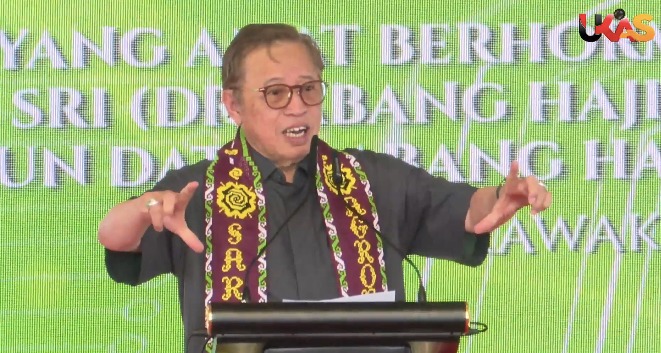
“From now into next year, we will begin the DBOT approach and get it implemented,” he said at Sarawak Agrofest 2026 at Lapangan Terbang Lama Bintulu here today (Sept 28).
The event was officiated by Premier Datuk Patinggi Tan Sri Abang Johari Tun Openg.
Under the DBOT approach, capable parties would be brought in to design and build the necessary infrastructure, operate it and eventually transfer it, providing an alternative approach to developing paddy areas.
Rundi said this is particularly important given the infrastructure required before identified land can be effectively used for paddy cultivation.
He said paddy requires a reliable water supply, with primary, secondary and tertiary irrigation and drainage systems among the key infrastructure that must be put in place.
Only after these systems are established can the necessary hard pan be developed to support paddy cultivation and the use of machinery.
“Paddy requires a lot of water, so we really have to ensure that the necessary water supply is guaranteed.
“We are now working hard to move from primary to secondary and tertiary irrigation and drainage. Only then can we create the hard pan and make use of the land,” he said.



 English (US) ·