


 1 hour ago
6
1 hour ago
6
ADVERTISE HERE
KUCHING, 4 Oct: Sarawak wants the surplus of renewable energy to be used to drive high-value industrial development, in addition to meeting increasing electricity demand.
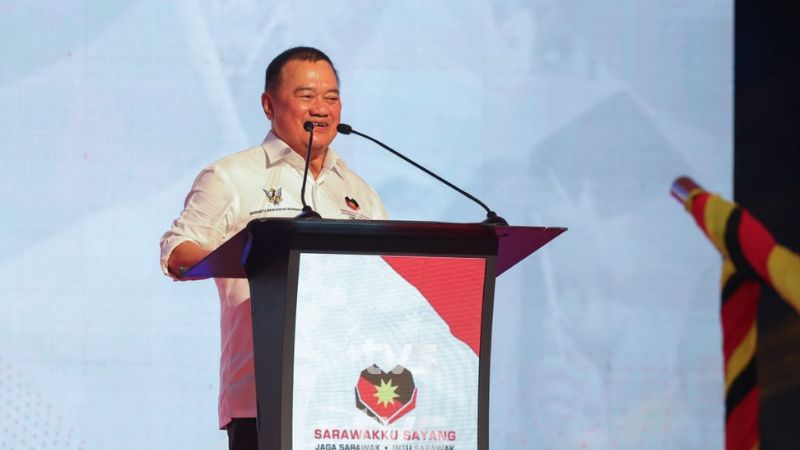
Sarawak Deputy Minister of Energy and Environmental Sustainability, Datuk Dr Hazland Abang Hipni said that the Sarawak energy transition is no longer focused solely on increasing production capacity, but instead involves the development of a more diverse and resilient energy ecosystem.
"For Sarawak, the next decade in energy transition is not just about increasing renewable energy generation.
"On the contrary, it is about building low carbon ecosystems that are interconnected with renewable energy sources to support industrial transformation, new technologies open up economic opportunities and sustainable growth provide long-term economic as well as social value", he said in a statement issued by Sarawak's Deputy Minister of Energy and Environmental Sustainability.
He said that after becoming a panelist.Fifty Shades of Greenat the Youth Economic Forum 2026 in Kuala Lumpur, yesterday.
According to him, hydropower remains Sarawak's renewable energy backbone, while solar, floating solar, biomass and clean hydrogen are among the resources being explored to diversify the state's energy portfolio.
He said that the approach was also translated through the development of Bintulu-Samalaju industrial corridor which is about 60 kilometers long, with Bintulu as a low carbon hub and Samalaju as an energy hub.
He said the use of clean energy in industrial sectors has the potential to produce higher value products such as hydrogen, low carbon methanol and ammonia, as well as create skilled employment opportunities and strengthen local supply chains.
"The development has the potential to strengthen local supply chains, enhance technical capacity, create high-skilled jobs and maintain a larger share of economic value in Sarawak and Malaysia.
"In this context, the energy transition is closely linked to industrial policy", according to the statement.
Dr Hazland said the direction is in line with the Post COVID-19 Development Strategy 2030 (PCDS) which aims to grow Sarawak's economy from RM136 billion in 2019 to RM282 billion by 2030, including through low-carbon economic development.

 English (US) ·