


 8 months ago
76
8 months ago
76
ADVERTISE HERE

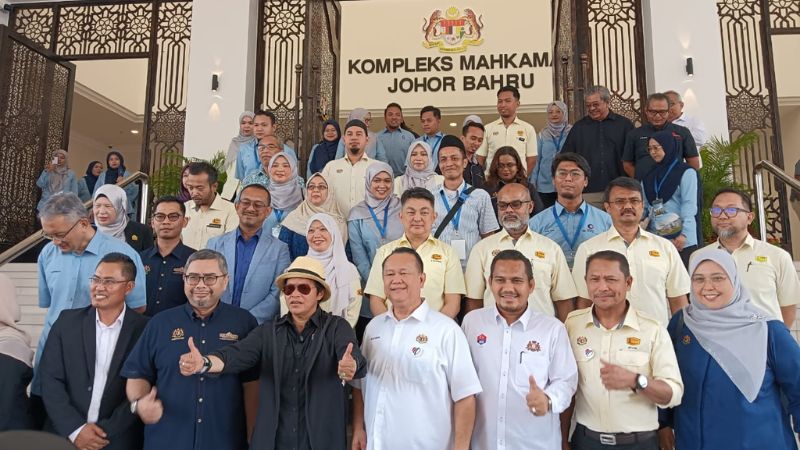
Dr Hazland (front row, eighth right) in a group photo with the distinguished guests.
KUCHING (Jan 17): Sarawak has showcased its integrated approach to energy, environmental sustainability and infrastructure resilience at Abu Dhabi Sustainability Week 2026, highlighting how coordinated planning, strong institutions and enforceable regulations have delivered tangible results.
Speaking during the panel session ‘Resilient Systems, Real Results’, Sarawak Deputy Minister for Energy and Environmental Sustainability Sarawak Datuk Dr Hazland Abang Hipni said resilient systems depend on how energy, environmental and urban infrastructure are designed to function together under pressure.
“At the core of Sarawak’s approach is integration. By aligning energy, environment and development planning under a single framework, we have been able to move from strategy to delivery,” he said in a statement.
Sarawak’s efforts, he said, are guided by the Sarawak Sustainability Blueprint 2030 (SSB 2030), a unified, public-facing strategy that sets clear targets across sectors.
“The blueprint has enabled state agencies to synchronise planning cycles, align investments and coordinate implementation, addressing earlier fragmentation in infrastructure and environmental management.”
A major focus has been placed on infrastructure modernisation.
Sarawak is upgrading its transmission and distribution networks to support higher renewable energy penetration and reliability, while developing hydrogen refuelling stations alongside electric vehicle charging networks.
Industrial corridor planning is aligned with renewable energy hubs to ensure that power generation grows in tandem with demand.
“Environmental protection and climate adaptation are embedded in development planning. Sarawak is restoring degraded forests, targeting up to 10 per cent restoration over five years, and expanding protected areas to safeguard watersheds, carbon sinks and biodiversity.
“These efforts are reinforced by the Environment (Reduction of Greenhouse Gases) Ordinance 2023 and strict flaring and venting regulations, which cap emissions and strengthen environmental safeguards,” said the statement.
Energy and sustainability initiatives are closely aligned with Sarawak’s broader economic agenda under the Post Covid-19 Development Strategy (PCDS) 2030.
“Leveraging low-cost hydropower, the state anchors energy-intensive industries in the SCORE corridor, ensuring that clean energy investments also support economic growth and long-term resilience,” it added.
According to Dr Hazland, institutional coordination has been strengthened through a multi-stakeholder framework established during the development of SSB 2030, involving state ministries, federal agencies and private sector partners.
Dedicated agencies, including the Natural Resources and Environment Board (NREB) and Sarawak Energy Berhad, play defined roles in enforcement, emissions management and infrastructure delivery, he said.
“Sarawak’s experience shows that resilient systems are built through clear vision, strong institutions and partnerships that deliver.
“These lessons are relevant not only for Sarawak, but for other regions seeking integrated and sustainable development,” he added.
The Office said the shift from policy to results has been driven by flagship projects and firm regulatory enforcement.
These include SEDC Energy’s Petros multi-fuel station in Batu Kawa, now equipped with hydrogen dispensing, and Sarawak Energy’s integrated hydrogen production plant, the first of its kind in Southeast Asia.
From Nov 1 last year, Sarawak began enforcing restrictions on routine flaring and venting, with annual emissions reporting and a full state greenhouse gas (GHG) inventory targeted by 2027.
“Looking ahead, Sarawak aims to achieve at least 60 per cent renewable energy in its power mix by 2030, with progress tracked through clear performance indicators.”






 English (US) ·