


 12 hours ago
15
12 hours ago
15
ADVERTISE HERE
KUALA LUMPUR, Oct 1: Sarawak aims to achieve net zero carbon emissions by 2050 through the development of a comprehensive green economy.
Deputy Minister of Energy and Environmental Sustainability Sarawak, Dr. Brother Hazland Hipni said the sector includes renewable and clean energy, hydrogen economy, sustainable transportation, digitisation as well as circular economy.
He clarified that the objective was not only an environmental aspiration, but also a part of the region's economic aspirations.
"We are advancing the green economy through renewable and clean energy, hydrogen economy, sustainable transportation, digitization, circular economy and green talent development.
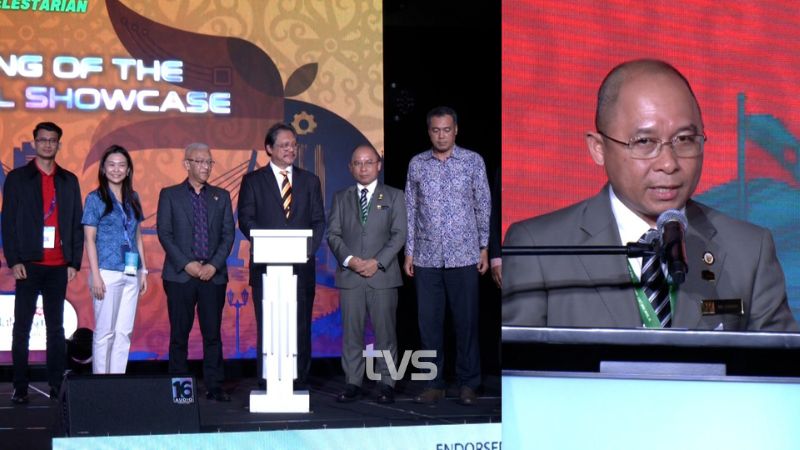
"We have also set a target to achieve net zero carbon emissions by 2050," he said at the launch of National Technical Professionals Day (HPTN) 2026 in conjunction with MyASEAN Roads & Traffic Tech Expo (MyARTTE) 2026 in the capital, today.
He said the global shift towards a low-carbon economy and technology-based approach opens up opportunities for new industries, investments, businesses and professions.
According to him, Sarawak requires technical capabilities including engineers, technologists, technicians, scientists, researchers, innovators and entrepreneurs to translate the sustainability agenda from policy to implementation.
Hazland said technical professionals are not only participating in the transition towards sustainability, but also being drivers of its implementation, particularly in addressing technological change and future economic needs.
"The relationship between educational institutions and industry needs to be strengthened, as well as young people need to be exposed to new technologies and professions in order to ensure that the skills they develop remain relevant.
"HPTN has an important mission to celebrate today's professionals, while developing professionals for the future", he said.
HPTN 2026 brings together 10 major technical sectors and is expected to include approximately 238 exhibition halls, 1,500 exhibitors as well as 5,000 visitors through six main conference programs, in addition to opening up space for industry players to explore cooperation, new markets and investment opportunities.






 English (US) ·