


 1 hour ago
6
1 hour ago
6
ADVERTISE HERE
THE Sarawak State Library has been urged to work with cultural organisations, educational institutions and community leaders to document and preserve indigenous heritage through modern archival and digital technologies.
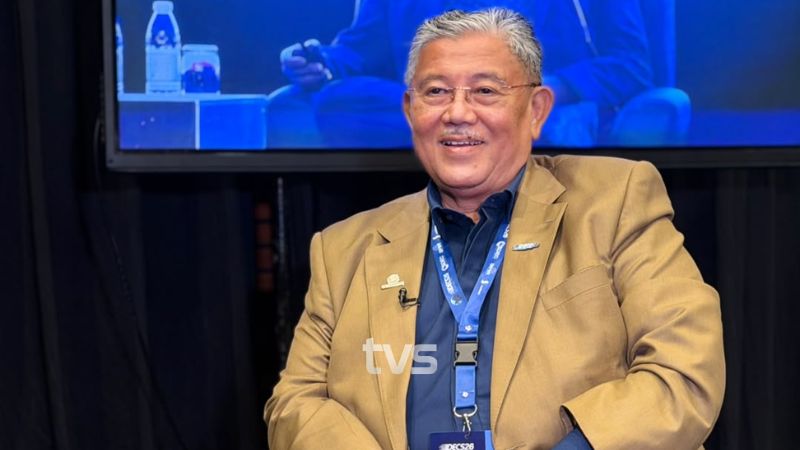
Murum assemblyman Kennedy Chukpai Ugon said the initiative is particularly important for rural and indigenous communities, where much historical and cultural knowledge continues to be passed down through oral traditions.
“As time passes and our older generations leave us, we risk losing invaluable knowledge and historical memories that may never be recovered.
“Therefore, I hope that the establishment of memorial archives will go beyond preserving the contributions of prominent historical personalities and major events. It should also include the history, traditions and collective experiences of ordinary communities throughout Sarawak,” he said.
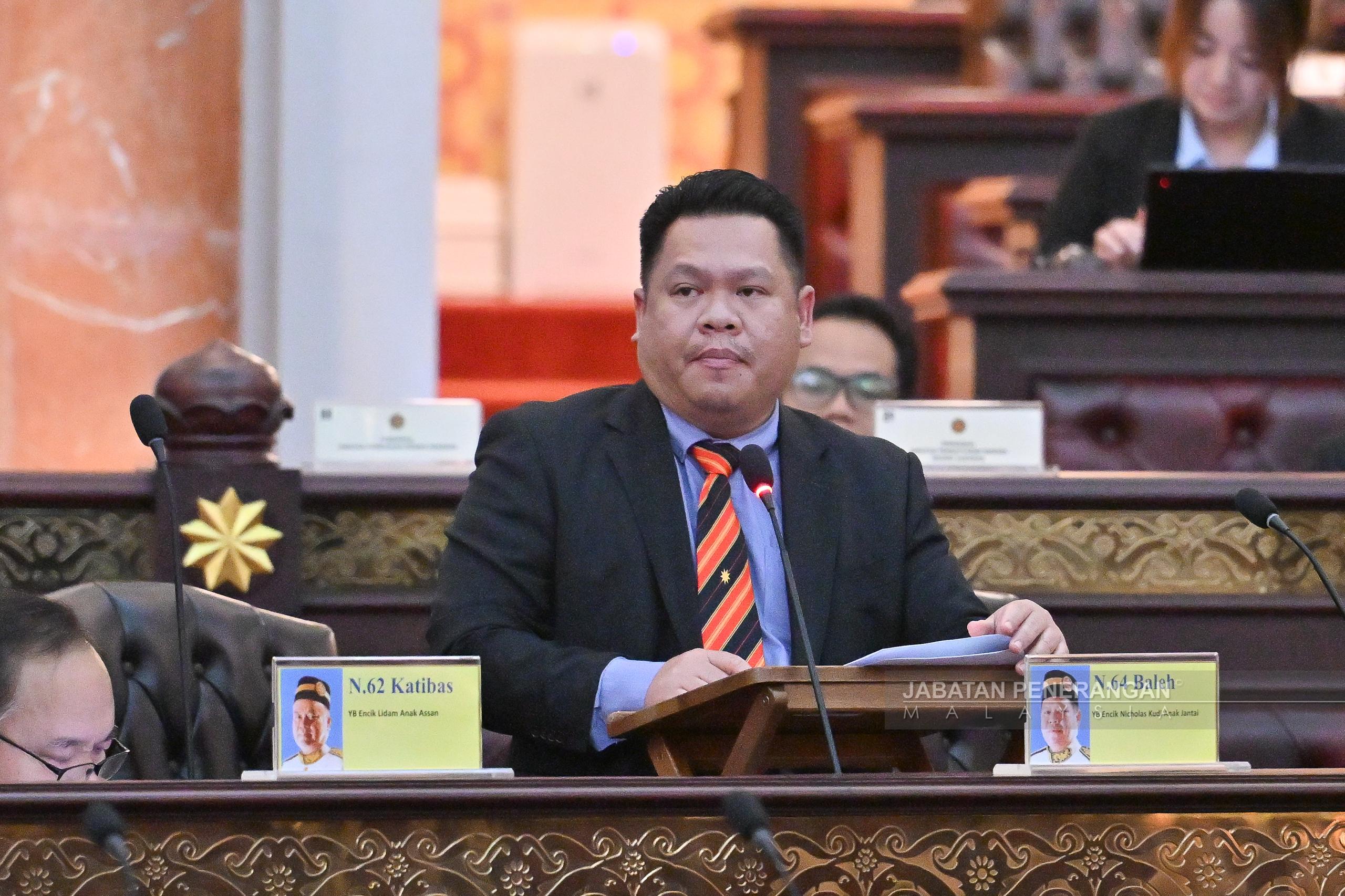
He said this when debating in support of the Sarawak State Library (Amendment) Bil, 2026 at the State Legislative Assembly (DUN) sitting here, today (Oct 13).
He stressed that the archives should cover not only prominent historical personalities and major events but also the traditions, histories and collective experiences of ordinary communities across the state.
“Our history belongs to all Sarawakians, and every community deserves to have its heritage recognised and preserved,” he said.
Coming from Murum, he highlighted the importance of preserving the cultural identities of indigenous communities, including the Orang Ulu, Iban, Bidayuh and other native groups in Sarawak.
He said their oral histories, traditional knowledge, languages and customary practices formed an invaluable part of the state’s collective identity.
However, Chukpai emphasised that preservation efforts must respect the cultural sensitivities and customary rights of the communities involved.
He also called for the State Library to expand access to knowledge and information, particularly for people living in rural and remote areas.
As Sarawak advances its digital economy and education agenda, he said the library should evolve beyond its traditional role into a modern, accessible and digitally connected institution serving communities throughout the state.
He called for stronger digital library services, community outreach programmes and collaboration with rural schools and educational institutions to ensure children and young people in Murum, Belaga, Baram and other remote areas could access educational resources.
“Access to knowledge should not be determined by geographical location, but should be a right and opportunity available to every Sarawakian,” he said.
He also welcomed the proposed amendments to realign the powers and responsibilities of the State Cabinet, the minister and the State Library Board, saying they would provide greater clarity in governance, improve decision-making and strengthen institutional accountability.


 English (US) ·