
 9 hours ago
4
9 hours ago
4
ADVERTISE HERE
For generations, Sarawak’s rivers have carried more than water. They carried people, livelihoods, traditions and memories, shaping communities and connecting the state to a changing world.
Stories Written on Water
The river, flowing across the earth, has more than one personality. Either it is calm and serene, or it does the opposite — restless and turbulent. Like many things in nature, the river is like an open book that tells the story of the communities around it, even after generations have passed.
Long before there were developments, the rivers of Sarawak, with their intersections in between, were an important part of the state. The communities’ livelihoods depended heavily on the river and its flowing wealth.
And fragments of my childhood memories were spent by the river in Kampung Semabang, Simunjan. I remember the cold yet tranquil feeling of sitting in the river, listening to the sounds of wildlife around me, as well as the chatter of my cousins.
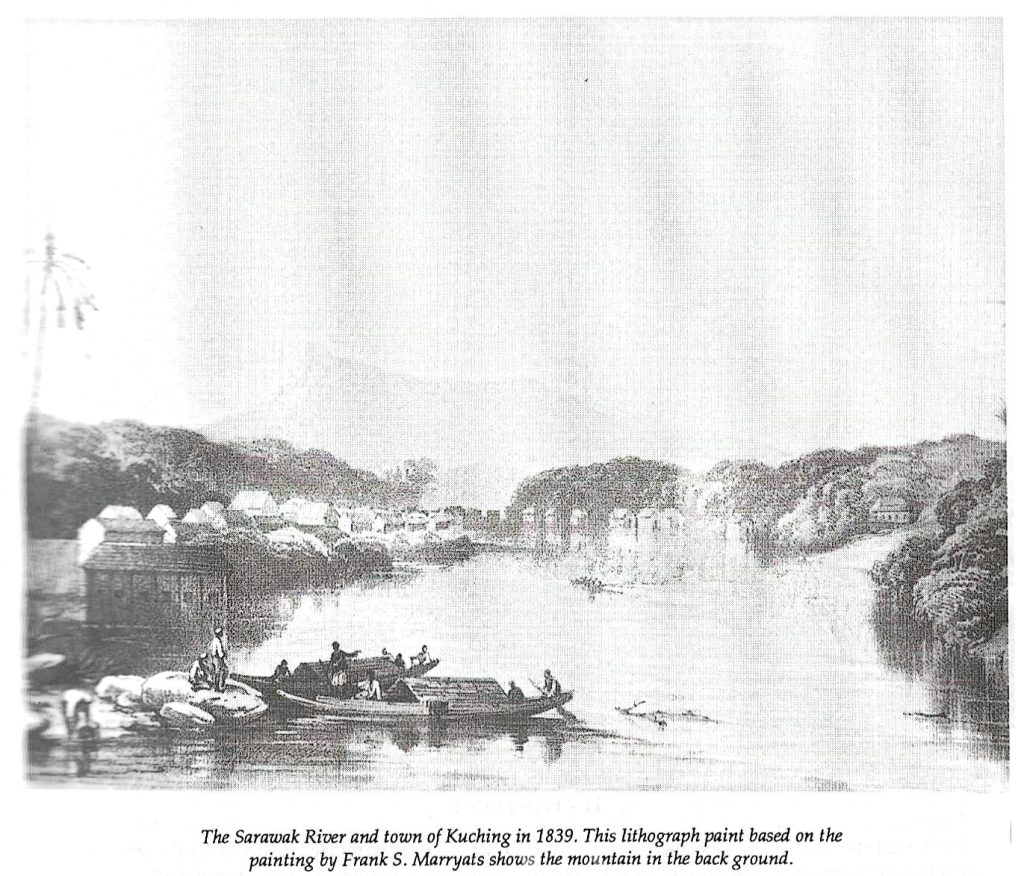 The Sarawak River and Kuching town in 1839. Photo: Ho Ah Chon.
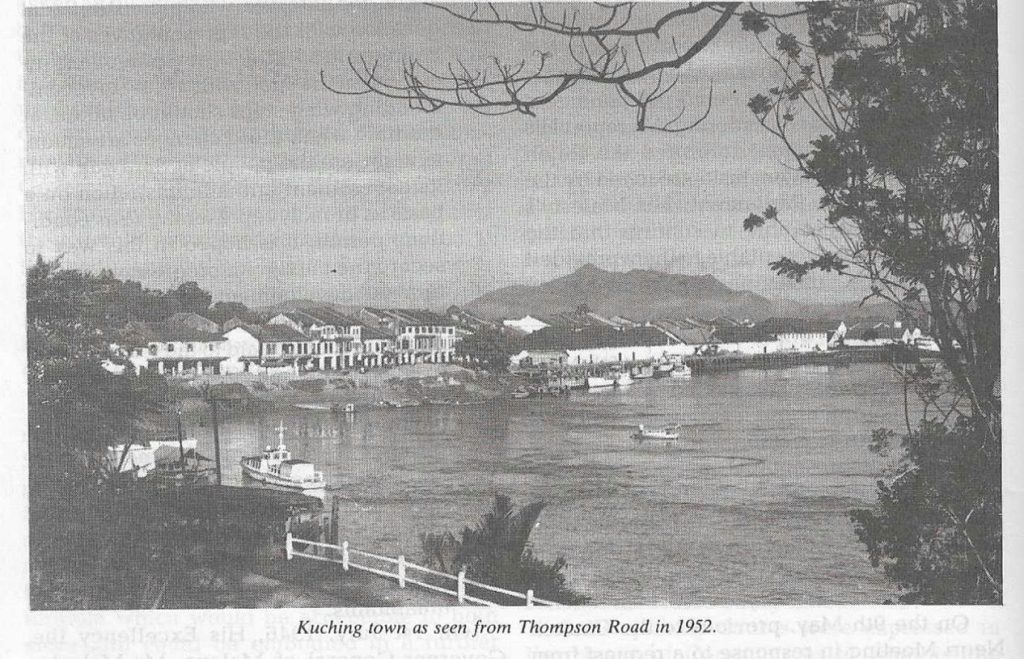 Kuching town and the Sarawak River in 1952. Photo: Ho Ah Chon.
Back then, being in the river felt like it would last forever. It felt as though those moments could go on, yet in the blink of an eye, everything had changed. The once-abundant water, flowing down from the nearby mountains, was also the villagers’ bread and butter.
People relied on the river. Its waters provided food in the form of fish; it was the medium for transportation; it was where traditions and communal events were held; and along with all that, it was the connection between Sarawak and the world.
“I remember back then we relied solely on the river to get from one place to another. My family had a boat that we used. And on days when the tide was high, we would then have to wait for the tide to recede to move forward in our journey,” said 71-year-old Sulok.
Perhaps then, the river also gave us lessons — a sense of gratification as we slowed down our pace to enjoy the moment. It helped shape Sarawak’s identity, built on its waters and the Sarawak River.
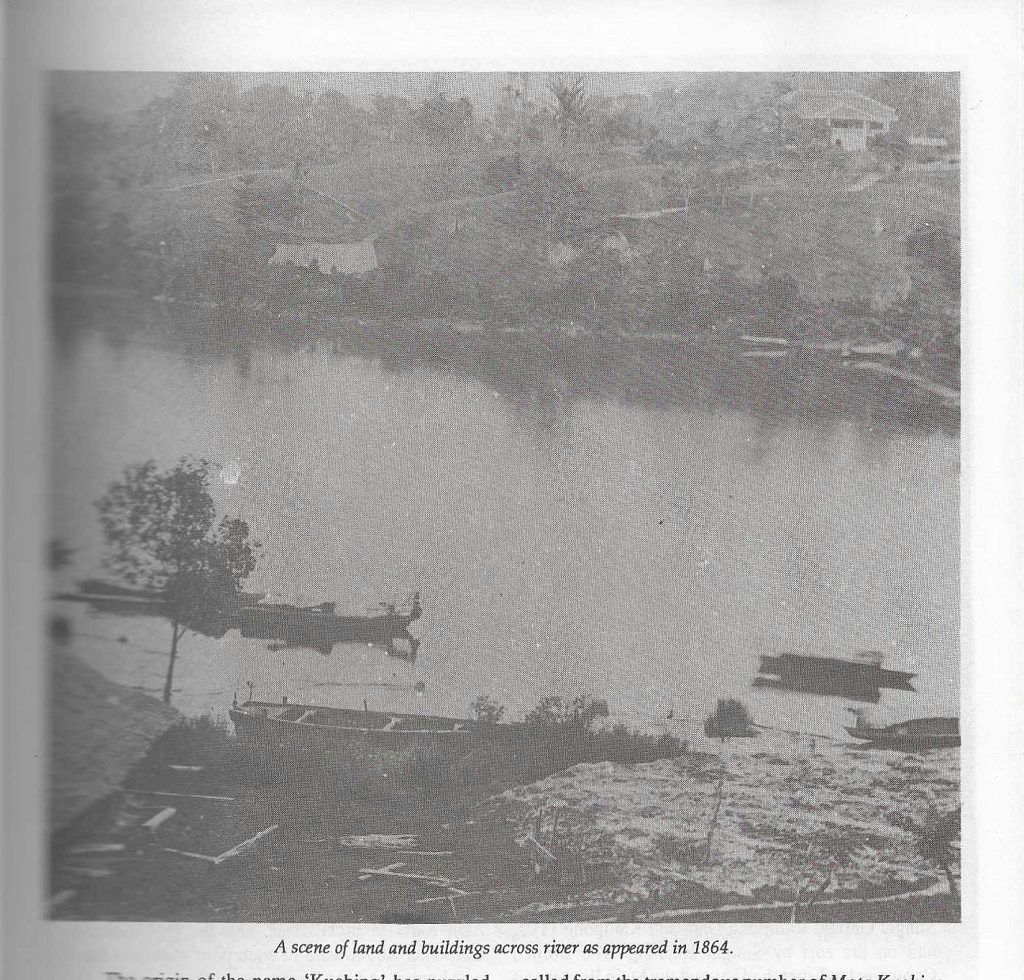 The Sarawak River in 1864. Photo: Ho Ah Chon.
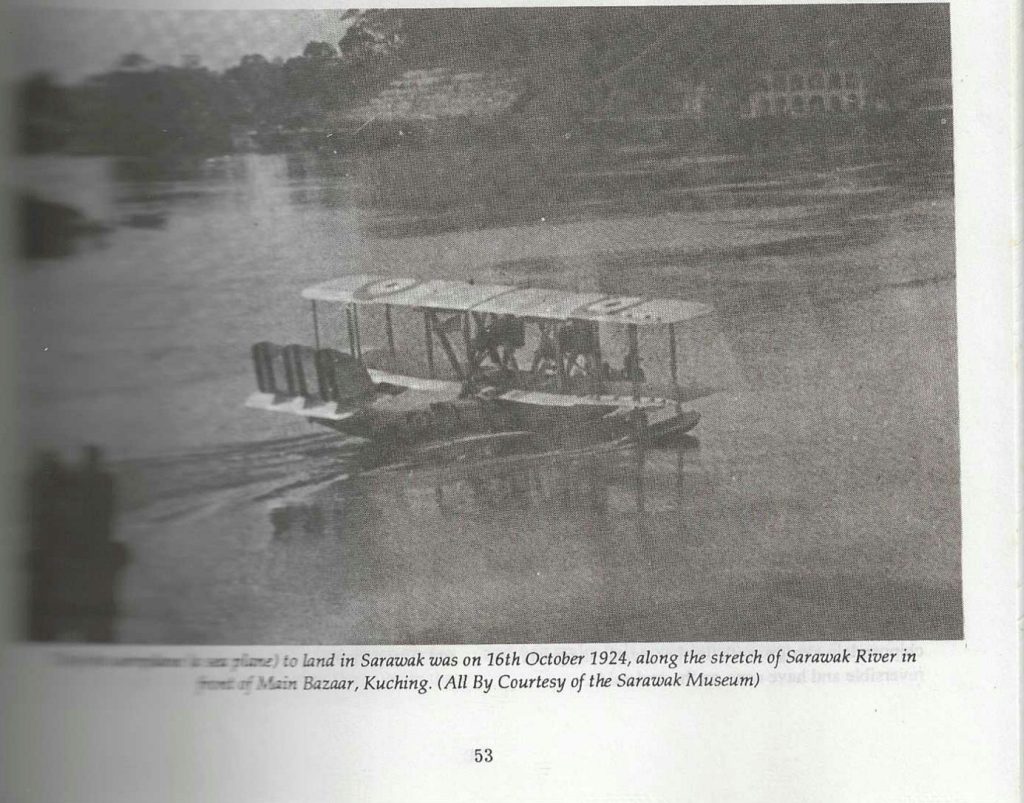 The river has long served as a lifeline for transport. This photo was taken in 1924. Photo: Ho Ah Chon.
In Ho Ah Chon’s ‘Kuching in Pictures 1841 — 1946’, he described Sarawak as being criss-crossed by numerous rivers that afforded the easiest and cheapest means of transport.
“The presence of bars at the mouths of these rivers prevents the entrance of large vessels. Kuching, the capital, stands on the Sarawak River,” he added in the description.
And over the centuries, the river has welcomed numerous nationalities into the state. This has shaped many historical developments that have led Sarawak to where it is today. From those who have helped us grow to those who have taught us painful lessons, each has, in one way or another, left a mark along the riverbanks.
Because long after the boats have gone and the riverbanks have changed, the stories carried by the water may still find their way back to us — one generation at a time.
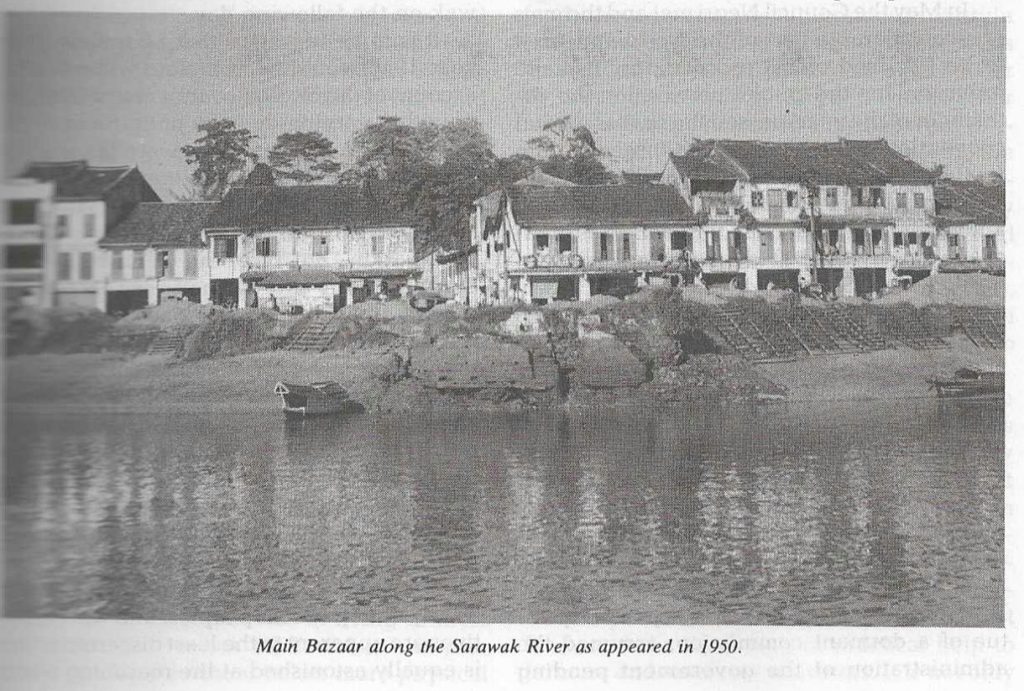 Kuching in 1950. Photo: Ho Ah Chon.
An important part of development
Today, much of Sarawak has moved beyond relying solely on the river. Roads have replaced many waterways as the main means of transport, while development, changing land use, settlements and economic activities have reshaped the landscape surrounding them.
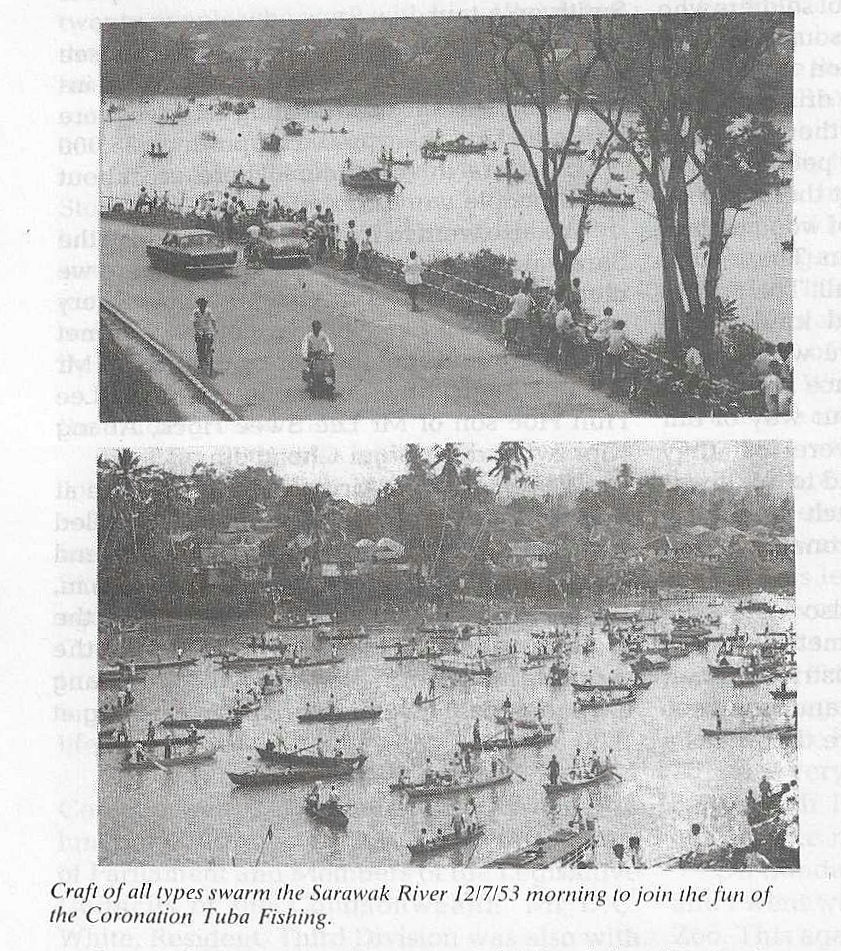 The ‘Grand Coronation Tuba Fishing’ in 1953, which brought together what was described as the largest gathering of fishermen in history. Photo: Ho Ah Chon.
According to Sarawak Controller of Environmental Quality Datuk Jack Liam, rivers have always been an important part of life in Sarawak. And while Sarawak has changed considerably over the decades, particularly with better road connectivity and infrastructure, the river remains just as important.
“They continue to serve as important water sources, support agriculture and other economic activities, provide opportunities for recreation and ecotourism, and sustain fisheries, aquatic ecosystems and biodiversity,” said Jack.
From an environmental perspective, he said rivers should be seen as living ecosystems that support both people and nature.
“When a river is healthy, it benefits not only the aquatic life within it but also the communities and activities that depend on it,” he added.
Over the years, changes in land use, settlements, infrastructure and economic activities have influenced the conditions of rivers in different ways, according to Jack.
“Land clearing and earthworks may increase soil exposure, particularly in areas that are more prone to erosion. During rainfall, surface runoff can carry sediment into nearby rivers, which may contribute to increased suspended solids and turbidity,” he said.
In more populated or developed areas, rivers may also be influenced by domestic wastewater and other activities within their catchments.
Yet, Jack noted that there is no single story that applies to all of Sarawak’s rivers.
“Through the Natural Resources and Environment Board (NREB)’s long-term river water quality monitoring programme, we have observed that there is no single pattern that applies to all rivers. River water quality varies between catchments and can also fluctuate over time,” he said.
Some rivers maintain relatively good water quality, while others experience recurring issues such as increased sediment, nutrients, organic matter or bacterial contamination, depending on surrounding land use, rainfall and activities within their catchments.
This, perhaps, is another way of understanding the river — not as something frozen in time, but as a living part of a changing landscape. Its condition tells us something about what is happening around it.
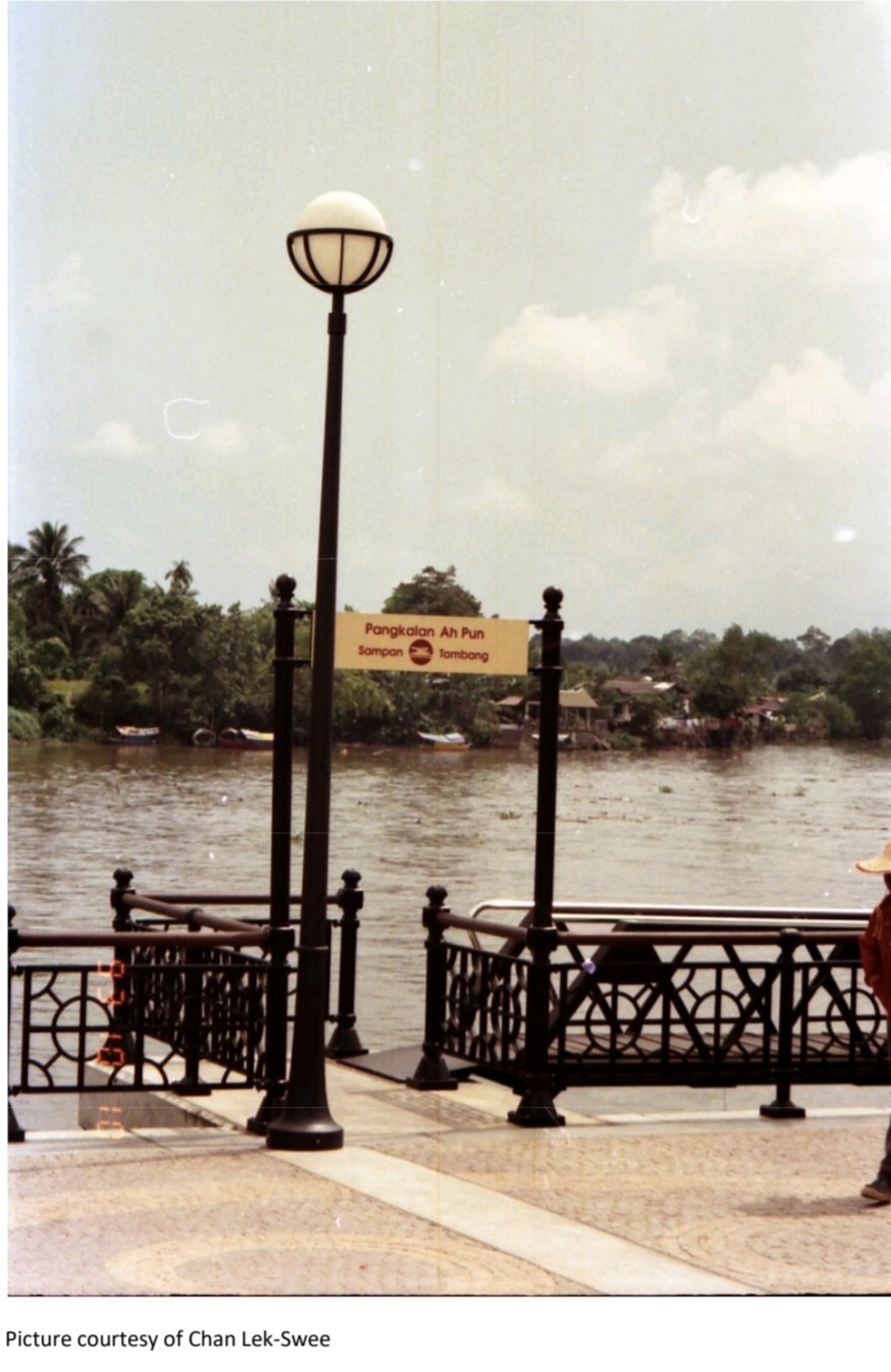
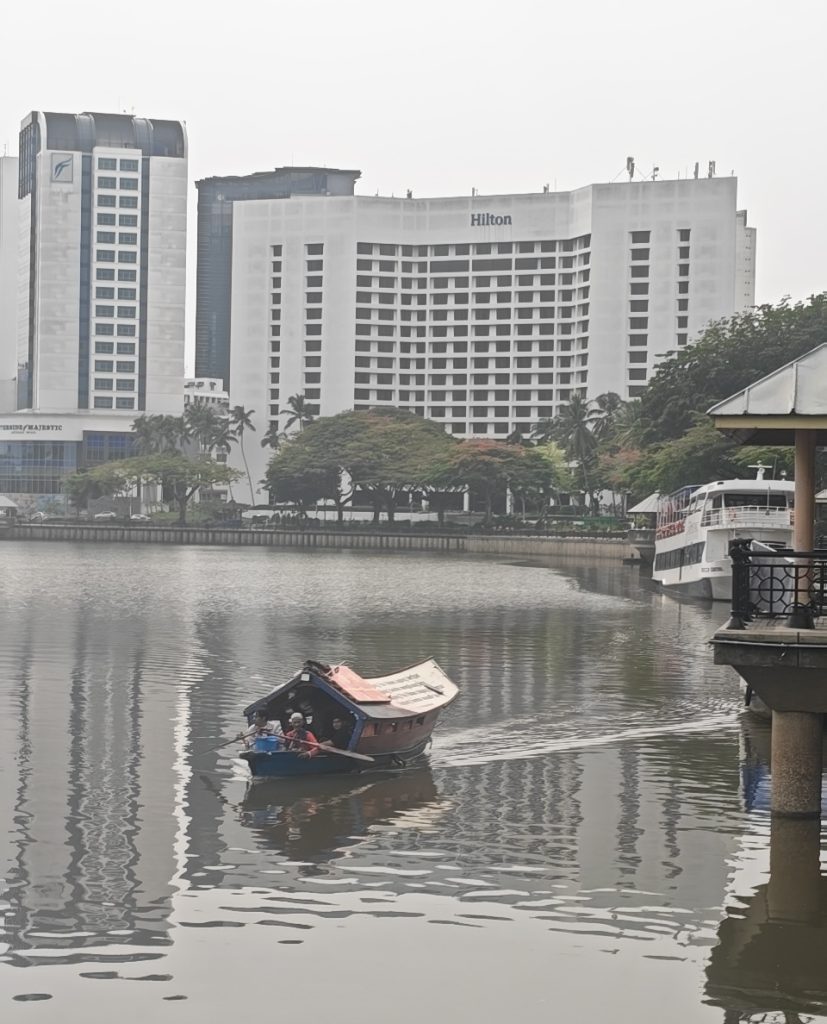 Tambang perahu, once a common mode of transport across the river, is now mainly used for tourism, although some people still rely on the boats to travel to work in town.
 The Sarawak Dragon Boat Regatta, an annual event held since the Brooke era.
Watching over the river
Perhaps, then, the question is not whether Sarawak has moved away from its rivers. It is whether, as we continue to move forward, we remember to take care of the waters that helped carry us here.
At NREB, they emphasised the importance of continued monitoring, alongside environmental education and awareness, to understand the condition of each river and encourage greater understanding of the need to protect our rivers.
“Beyond regulatory and monitoring work, we also place importance on environmental education and awareness to encourage greater understanding of the need to protect our rivers,” said Jack.
He reminded the public that it is important to understand that a river does not exist on its own. It is connected to land and activities within its catchment.
“What happens upstream can affect what happens downstream and what we do within the catchment can eventually have an impact on the river.”
As Sarawak’s story has unfolded through generations, much of that journey has been tied to its waterways.
On July 12, 1953, the Sarawak River, now Kuching Waterfront, hosted the ‘Grand Coronation Tuba Fishing’ event. A stream of speedboats, alongside flimsy shallow perahus — each boat had a coloured flag stuck on its bow and carried between two and 15 occupants, depending on its size.
The event, which was described by Ho Ah Chon in the book Sarawak Historical Events 1946 — 1960 as the greatest gathering of fishermen ever seen since 1930, drew crowds to the river. Among the fish caught were the ‘ikan bulu’, ‘sharks’, ‘ikan sembilang’, ‘ikan telang’, ‘sting rays’, ‘ikan parang’ and so on.
Though it may seem like just a fishing event, it offered a glimpse of a Sarawak whose life, livelihoods and celebrations were deeply tied to its waterways. More than seven decades later, the river continues to flow past the same city, although much around it has changed.
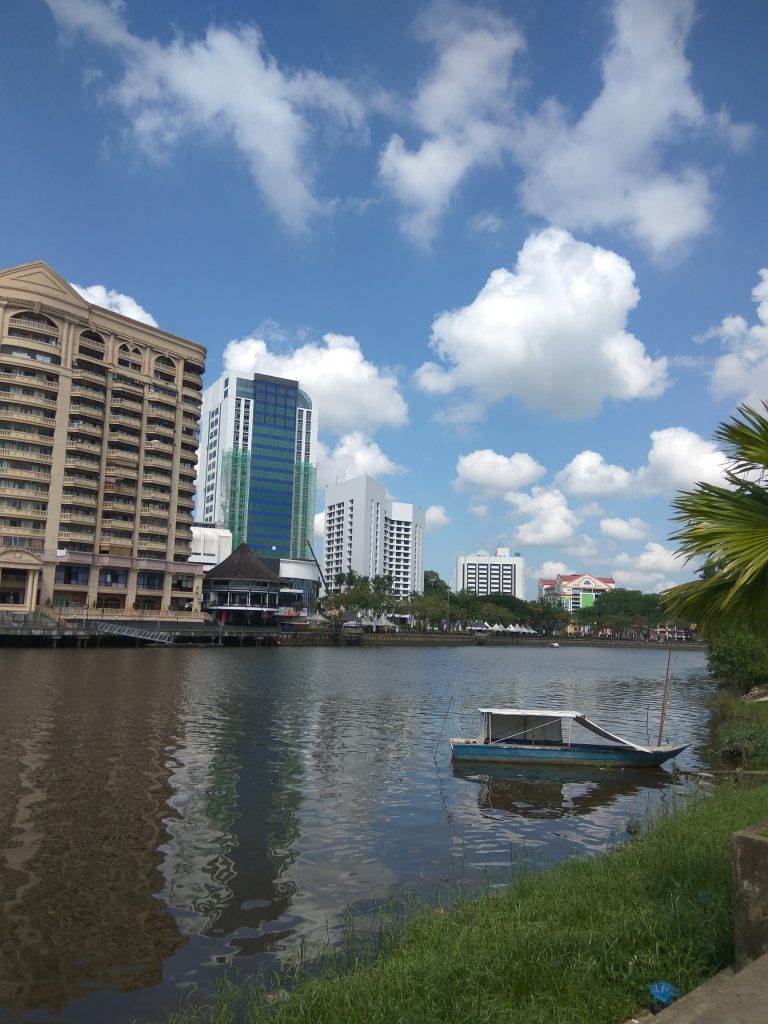
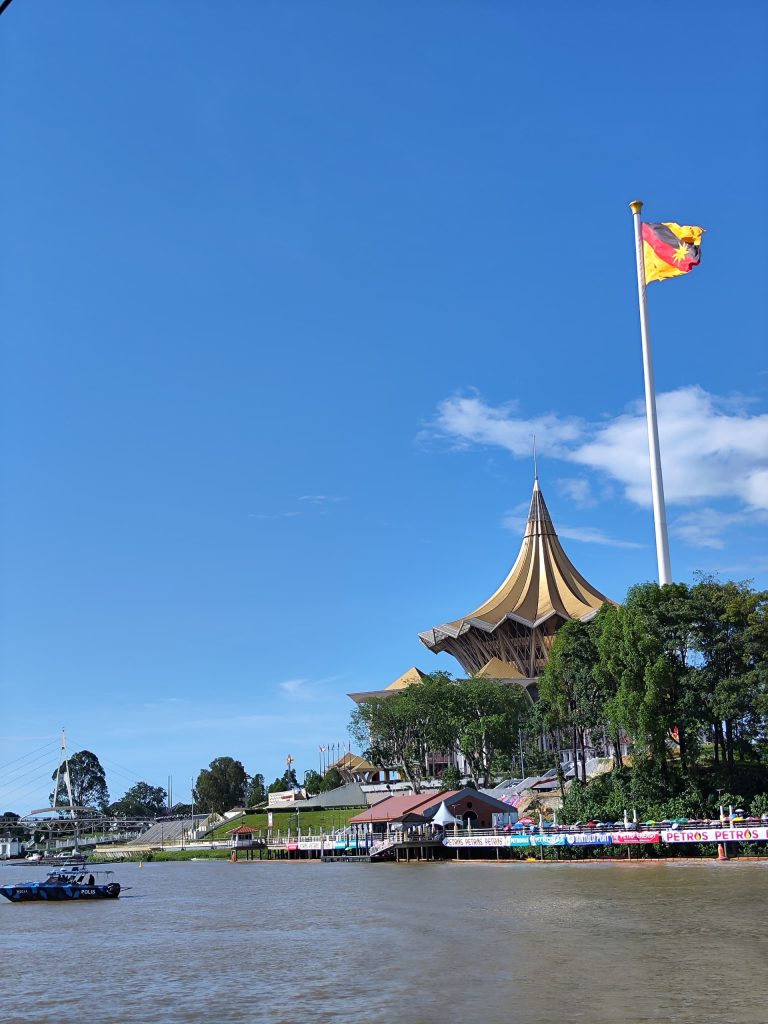
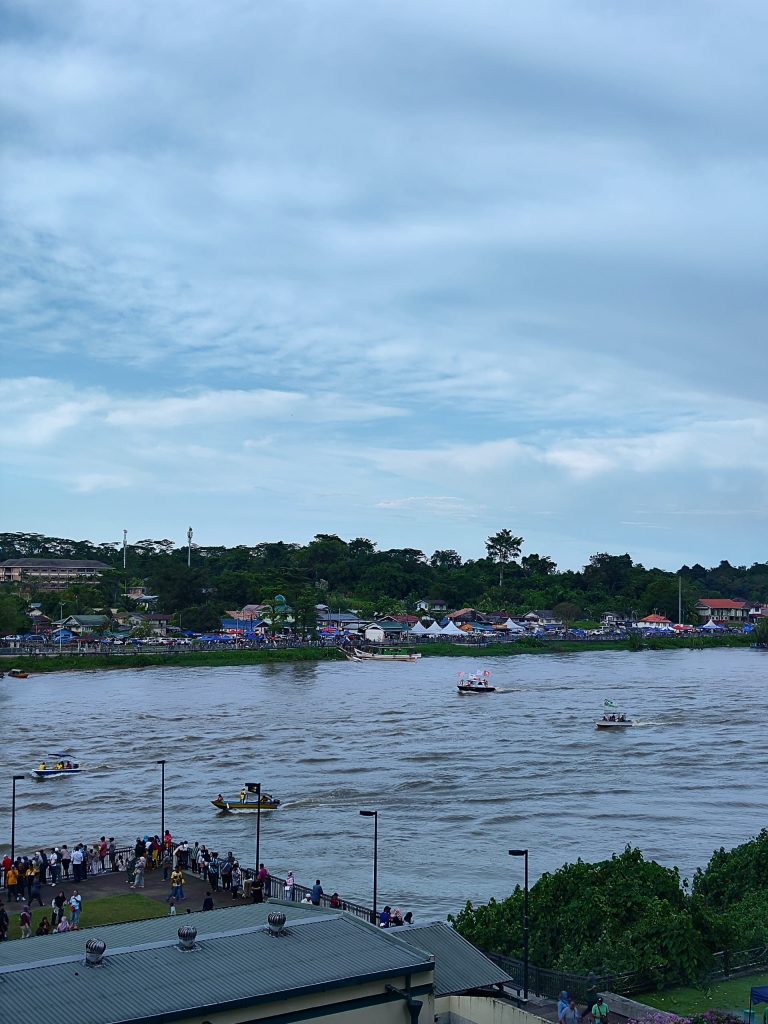
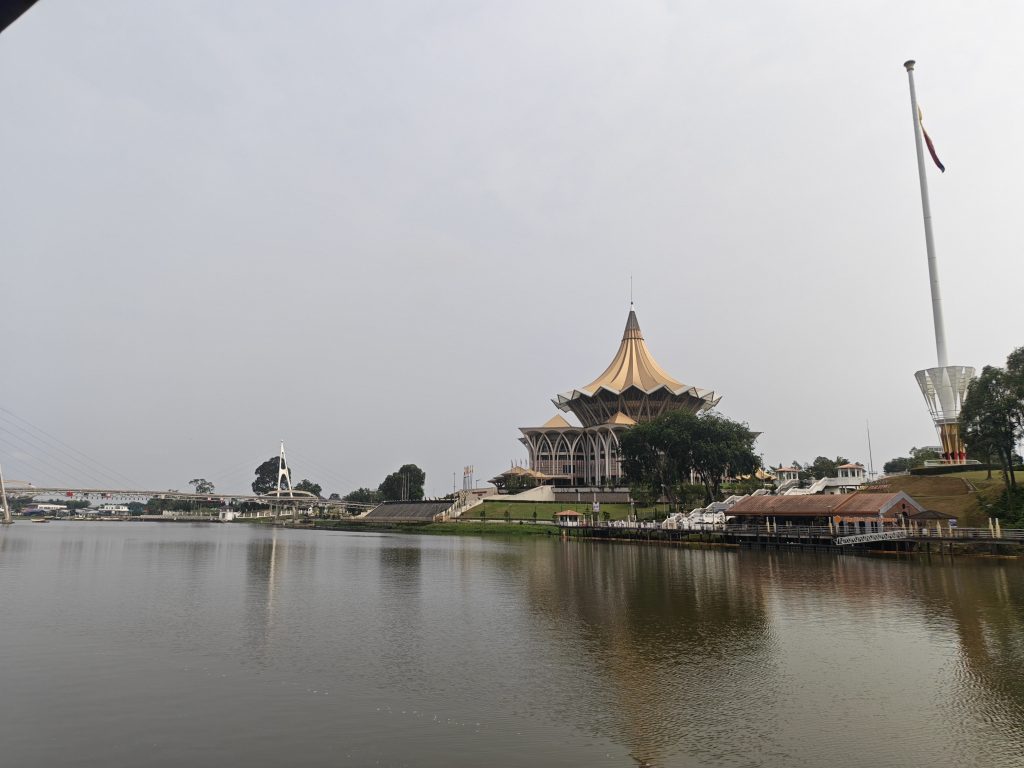
Once a lifeline for trade, transport and livelihoods, the Sarawak River today is also a place for leisure, tourism and gatherings. Along the Kuching Waterfront, people no longer necessarily come to the river because they need to cross it or make a living from it — sometimes, they simply come to spend time beside it.
As the world celebrated World Rivers Day, Jack said that it served as a reminder to appreciate the value of rivers and not take them for granted.
“Every one of us has a role to play, whether through responsible development, proper management of waste and wastewater or simply being more mindful of our everyday actions,” he said.
While we watch over the rivers, it is about more than just preserving the water; it is also about preserving the stories that flow along with it.
Because when we look at a river, we are not only looking at where the water is going. We are also looking at where we have come from.






 English (US) ·