


 8 months ago
76
8 months ago
76
ADVERTISE HERE
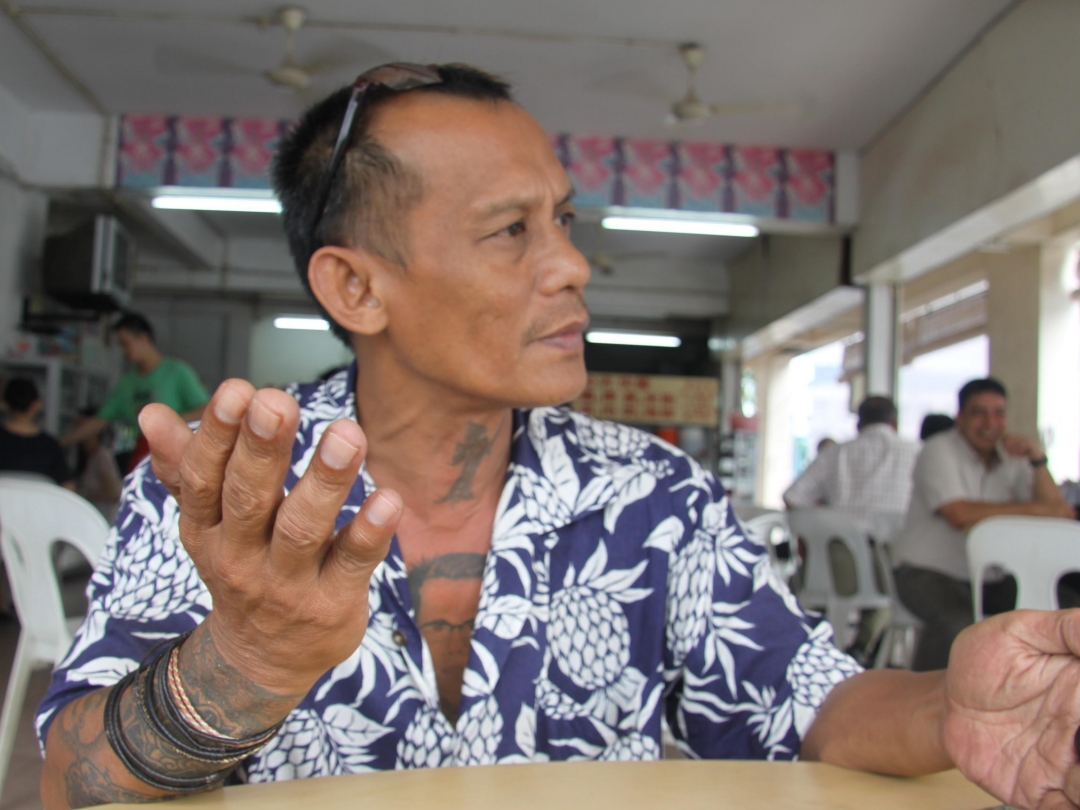
Peter warned that a one-size-fits-all national policy could jeopardise child safety and violate the MA63.
KUCHING (Jan 22): The federal government has been urged to prioritise upgrading rural schools in Sabah and Sarawak before enforcing Year 1 entry age of six, said social and rights activist Peter John Jaban.
Peter warned that a one-size-fits-all national policy could jeopardise child safety and violate the Malaysia Agreement 1963 (MA63).
He said Sabah and Sarawak could not be treated the same as Peninsular Malaysia due to unique geographical, social and development conditions.
He stressed that under MA63, both states were guaranteed flexibility and autonomy in education matters.
“Large parts of Sabah and Sarawak remain rural and remote, with many communities still lacking basic infrastructure such as proper roads, reliable transport, and nearby primary schools.
“In many interior areas, children are forced to travel long distances through rivers, forests and difficult terrain just to attend school,” he said.
Highlighting the situation in Sarawak, Peter noted that 298 schools remain in a dilapidated condition, 14 primary schools rely on generators for electricity, and 428 schools still lack treated clean water.
“In this context, enforcing Year 1 entry at the age six raises serious concerns.
“How can the safety of younger children in remote areas be guaranteed?
“Are there enough hostels, transport facilities, teachers and school resources to support them?” he questioned.
Peter also called for clarity on whether Sabah and Sarawak would retain the authority to determine school readiness based on local conditions, as envisaged under MA63.
Peter said the federal government should first repair, upgrade, and fully equip rural schools in East Malaysia, including buildings, safety infrastructure, hostels, transport systems and teaching resources, before implementing any policy that compels children as young as six to attend school.
“Education reform cannot be imposed through a centralised approach.
“Genuine reform requires substantial prior investment in infrastructure, transport systems, teacher welfare and basic amenities,” Peter added.
He added that respecting MA63 must go beyond rhetoric and be reflected in meaningful consultation, policy flexibility and adequate federal funding to address long-standing development gaps.
“Sabah and Sarawak do not reject education reform.
“What is rejected is reform that ignores regional realities, child safety and MA63 rights,” he said.


 English (US) ·