


 1 hour ago
3
1 hour ago
3
ADVERTISE HERE
 Dr Abdul Rahman (second left) presenting a memento to Abang Johari during the launching of SARICON at Raia Hotel and Convention Centre on Oct 6, 2026.
 Advertisement
By Karen Bong
KUCHING, Oct 6: A proof-of-concept paddy cultivation programme involving 10 companies produced approximately 960 metric tonnes of paddy between January and June this year, marking an early step towards Sarawak’s target of raising its rice self-sufficiency level to 60 per cent by 2030.
Minister of Food Industry, Commodity and Regional Development Dato Sri Dr Stephen Rundi Utom said the results demonstrated the potential of commercial participation and innovation to strengthen the State’s paddy and rice industry.
Advertisement

With Sarawak’s rice self-sufficiency level stood at approximately 21 per cent in 2024, he highlighted the scale of the task ahead.
He said inadequate irrigation and drainage remained among the key challenges, limiting reliable water supply and opportunities for double cropping.
Small and fragmented farms also made mechanisation and coordinated management more difficult, while labour shortages, an ageing farming population and rising production costs added pressure on farmers.
“Farmers also needed better access to quality seed, suitable machinery, technical support and adequate harvesting, drying and milling facilities.
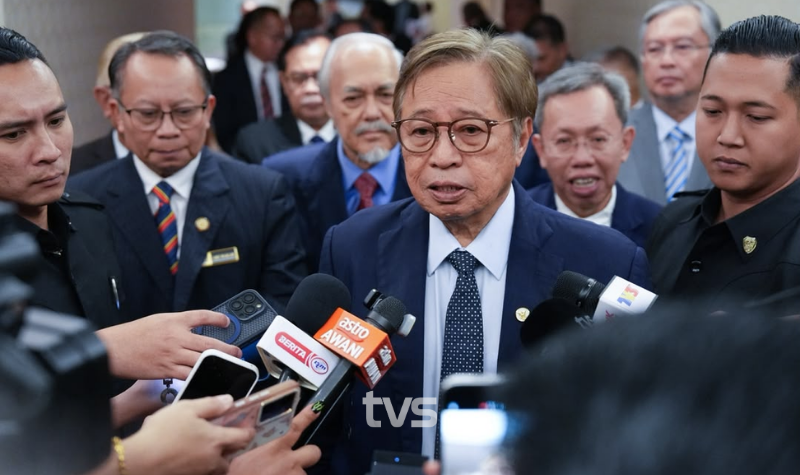
“Therefore, innovation is essential to overcoming these challenges,” he said in his text speech read by Deputy Minister of Food Industry Datuk Dr Abdul Rahman Ismail at the 2nd Sarawak Rice Conference (SARICON II) 2026, which was officiated by Premier Datuk Patinggi Tan Sri Abang Johari Tun Openg at Raia Hotel and Convention Centre here today.
Dr Rundi said Sarawak had identified and profiled 48 potential areas covering about 14,000 hectares suitable for large-scale commercial paddy cultivation.
“Development would proceed in phases, with current funding supporting an initial seven State land areas covering about 2,000 hectares, as equipping the areas with modern irrigation, drainage and supporting facilities would require substantial funding,” he explained.
To secure land for long-term production, Dr Rundi added that 2,635 hectares of State land have been gazetted for paddy cultivation, with more suitable areas to be identified.
“We will also identify 12,000 hectares of existing paddy areas, including underused schemes, for improvement through better water management, mechanisation and farm management,” he disclosed.
Dr Rundi said the commercial paddy development model approved in April would support greater private sector participation and professional farming operations.
Meanwhile, 144 hectares of State land have been allocated for seed production, with two companies developing seed farms and a processing facility nearing completion.
“Locally produced certified seed is expected from 2027,” he said.
Trials of different paddy varieties had recorded yields of four to 10 metric tonnes per hectare under trial conditions, while assessments of hybrid and perennial paddy varieties remained ongoing.
Research would also cover crop management, automation and post-harvest technology.
“The development of the paddy and rice industry had become a key priority under the leadership of Premier Datuk Patinggi Tan Sri Abang Johari Tun Openg, with efforts extending from infrastructure and land development to commercial farming, research and local seed production,” he emphasised.
He also highlighted the Sarawak Padi and Rice Board Bill, passed in May, saying preparations were under way to establish the board.
The board is expected to provide strategic leadership, strengthen coordination across the rice value chain and drive industry development.
Dr Rundi said the priority now was to translate the progress achieved into higher productivity, more reliable production and better incomes for farmers.
He urged researchers participating in SARICON II to focus on challenges in Sarawak’s paddy fields, while calling on industry players to work with government agencies and farmers to test and demonstrate suitable technologies.
He also welcomed international partnerships in research, training and technology transfer.
“Let us ensure that the knowledge shared here leads to practical improvements in our fields and lasting benefits for our farmers,” he said.
Deputy Minister of Regional Development Datuk Martin Ben as well as Pakan assemblyman and advisor in the Premier of Sarawak’s Department (Food Industry, Commodity and Regional Development) Tan Sri William Mawan Ikom were among the distinguished guests present. — DayakDaily


 English (US) ·