
 6 hours ago
5
6 hours ago
5
ADVERTISE HERE

Wong says education operators should not be left uncertain about whether the requirement could be reintroduced through a future administrative decision.
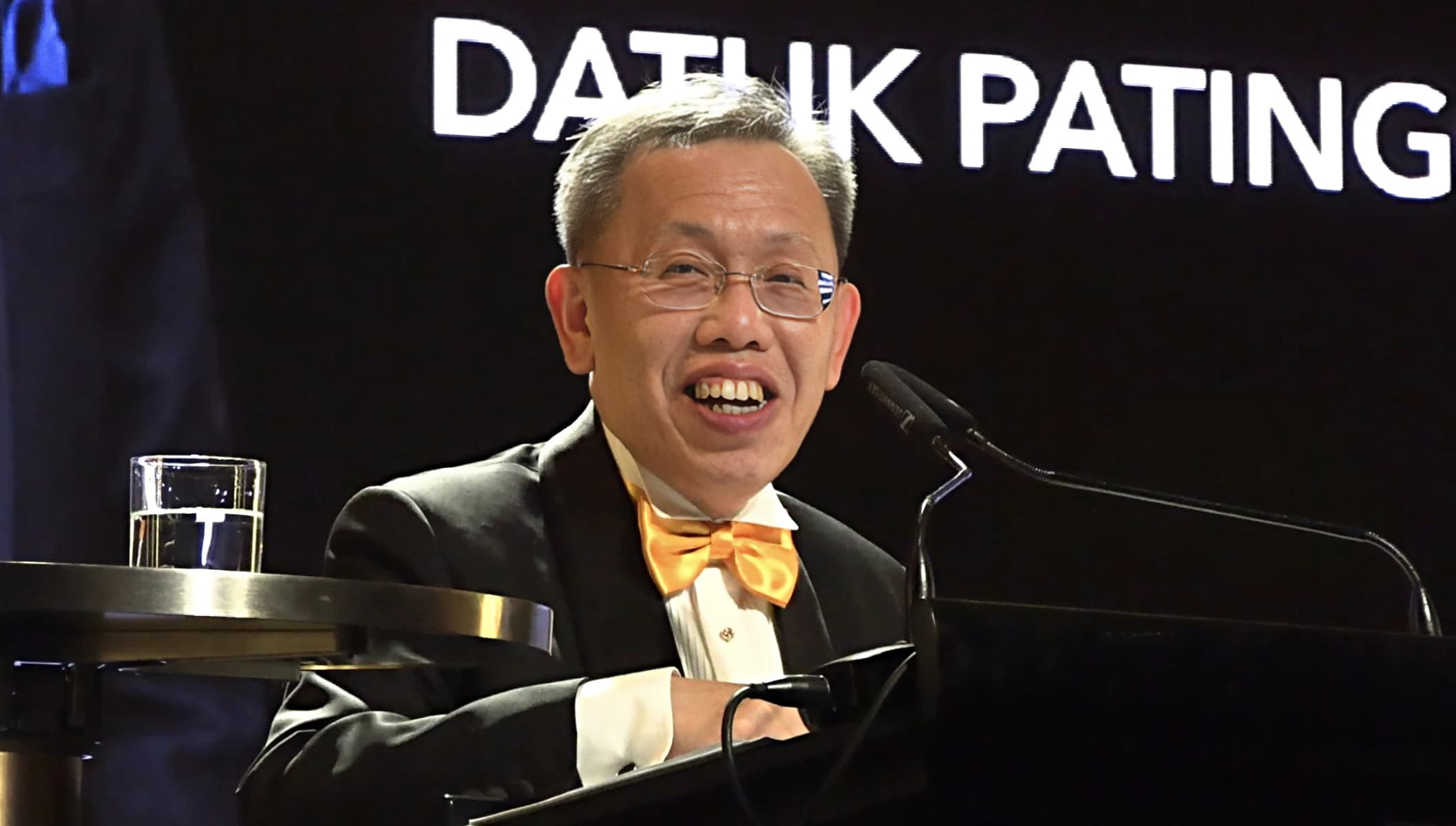
KOTA KINABALU (Sept 23): The Education Ministry (MoE) should provide long-term policy certainty to operators of private educational institutions following its decision to no longer require a minimum 30 per cent Bumiputera equity ownership as a condition for operating such institutions, said Tanjung Aru assemblyman Datuk Junz Wong.
Wong welcomed the decision but said MoE should clarify whether the relevant policy documents and guidelines would be formally amended or superseded to reflect the change.
“Let us be precise about what MoE announced. The ministry said the 30 per cent requirement is no longer stipulated as a condition,” he said in a statement.
Wong noted that MoE had said the requirement originated from the Private Educational Institutions Policy Statement Book published in 2006.
He said education operators should not be left uncertain about whether the requirement could be reintroduced through a future administrative decision.
“Education operators need policy certainty, not uncertainty. If MoE has concluded that this ownership condition is no longer appropriate for the current needs of our education sector, that position should be clearly and consistently reflected in the written policy framework,” he said.
Wong said the issue also raised broader questions about the effectiveness of policies intended to assist disadvantaged Bumiputera Malaysians, particularly whether compulsory equity ownership was the most effective mechanism for achieving that objective.
He said assistance should be targeted at ordinary Bumiputera families and entrepreneurs who genuinely needed support, rather than benefiting only those who were already privileged.
Wong stressed that questioning the effectiveness of compulsory equity ownership should not be construed as opposition to efforts to uplift disadvantaged Bumiputera communities.
“This is not about taking opportunities away from Bumiputera Malaysians,” he said.
He argued that economic empowerment should instead focus on measures that build entrepreneurship, skills, capabilities and sustainable livelihoods.
Among the measures he proposed were improved access to financing, training and skills development, support for promising start-ups, quality education and professional qualifications, as well as opportunities for entrepreneurs to establish and grow their own businesses.
“Economic empowerment should be about helping people build ownership, capability and businesses of their own — not merely prescribing percentages on somebody else’s shareholding,” he said.
Wong said affirmative-action programmes should therefore be targeted, transparent and demonstrably beneficial to the communities and Malaysians they were intended to assist.
He said this was particularly relevant to Sabah, where many ordinary families, including indigenous communities, continued to face socioeconomic challenges.
“Our priority should be making sure assistance and opportunities actually reach those who need them,” he said.
Wong nevertheless described MoE’s latest decision on private educational institutions as a sensible step, noting the ministry’s stated intention to meet the current needs of the education sector while keeping participation open to those who wished to contribute to Malaysia’s educational development.
He said private education providers should instead be assessed based on the quality of education they offered, the competence of their teachers, student safety and compliance with the law.
Wong said the development should also prompt policymakers to periodically review longstanding policies rather than assume they remained effective simply because they had been in place for many years.
“The question should not merely be how long a policy has existed. We should ask whether it still works, whether it achieves its intended purpose, who actually benefits from it, and whether there is a better way,” he said.
He added that policies that genuinely benefited disadvantaged Malaysians should be strengthened, while mechanisms that no longer achieved their intended objectives should be improved.







 English (US) ·