
 8 hours ago
7
8 hours ago
7
ADVERTISE HERE
A winner of the Grab 5-Star Eats Awards 2025, Restoran & Katering Ikan Boulu Tanpa Tulang 3 is built around a painstaking process of removing more than 100 tiny bones from each fish — all to make a beloved Sabahan staple easier for everyone to enjoy.
Taking the Bones Out of a Sabahan Favourite
There is something wonderfully familiar about ikan boulu.
Known as milkfish, it is much loved in Sabah for its rich, sweet and buttery flesh and its place on family dining tables.
But there is one thing that can make even the most enthusiastic seafood lover hesitate — the bones.
Tiny, fine and seemingly endless, they can turn what should be an enjoyable meal into a careful exercise in picking through the flesh.
For Norbert Eyudi and Sheriane Kayna Bulagang, that was precisely the problem they wanted to solve.
Their answer was not to change the fish, but to take away the one thing that often gets in the way of enjoying it — serving it completely boneless.
That simple idea became the foundation of Ikan Boulu Tanpa Tulang, with the aim of making a traditional favourite easier for everyone to enjoy, from children to older diners.
“We wanted to preserve our culinary heritage while creating a modern, hassle-free dining experience,” they said.
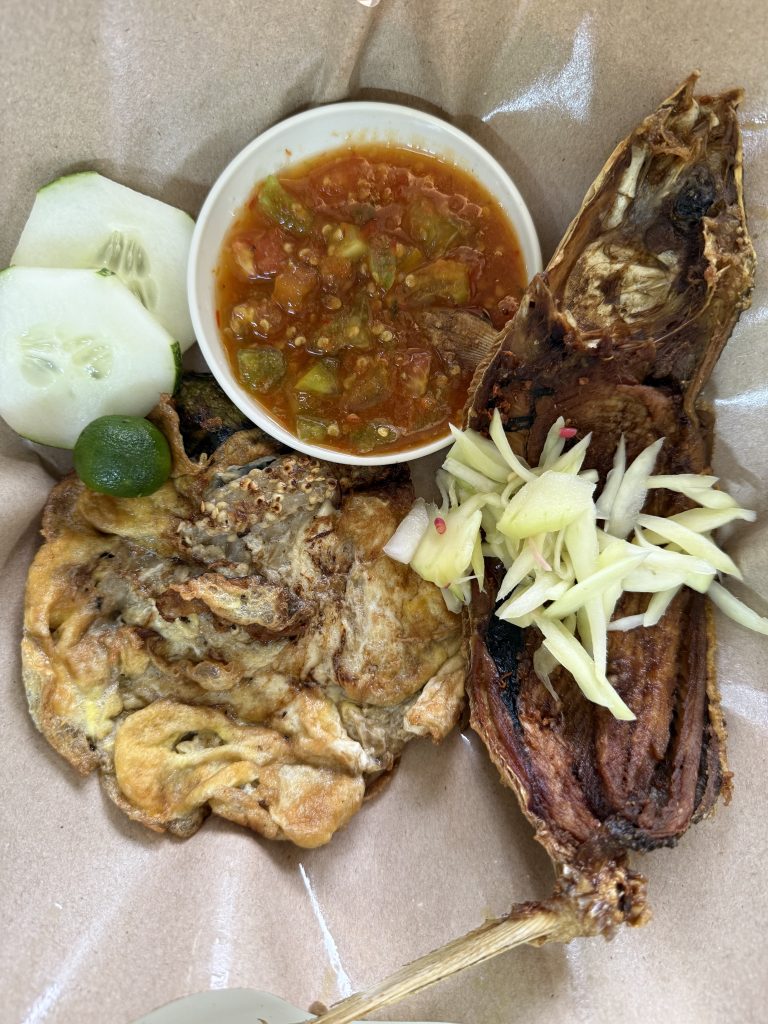 The best seller, Ikan Boulu Tanpa Tulang Special, crisp and golden with all the flavour and none of the bones.
The hard work behind an easy meal
Of course, making a fish boneless is considerably more complicated than eating one.
Each ikan boulu contains more than 100 tiny bones, and removing them requires patience, precision and plenty of time.
The kitchen team carefully butterflies each fish before using specialised tools to remove the bones without tearing the delicate flesh.
It is a painstaking process, but one the owners believe is essential to getting the final dish right.
The aim is not simply to produce a fish without bones. Its natural shape must remain intact, while the flesh needs to retain the texture and flavour that make ikan boulu special in the first place.
Once deboned, the fish is infused with the business’s signature local spices before being deep-fried.
That is when the contrast comes alive — a crisp, golden exterior giving way to juicy, sweet flesh within.
The result is a familiar fish presented in a way that feels considerably more effortless.
For Norbert and Sheriane, this careful preparation is what makes their version different.
They chose ikan boulu precisely because of its strong connection to local food culture and its distinctive flavour.
The idea of removing the bones came from listening to customers who loved the fish but disliked the tedious process of picking them out.
By taking away that obstacle, they saw an opportunity to turn an everyday local staple into a dish that could be enjoyed by a wider audience.
A taste that carries memories
Yet the fish is more than just an ingredient.
For the owners, ikan boulu represents comfort, tradition and the bounty of Sabah’s coastal waters. It is the taste of childhood and family gatherings — a familiar dish that carries memories along with its flavour.
That is why making it boneless is, in their eyes, not about moving away from tradition. It is about keeping that tradition alive in a form that younger generations can continue to appreciate.
There is also a sense of pride in showing what can be done with a humble local fish.
A familiar ingredient, carefully prepared, can become something diners are willing to seek out, even making a special trip for it.
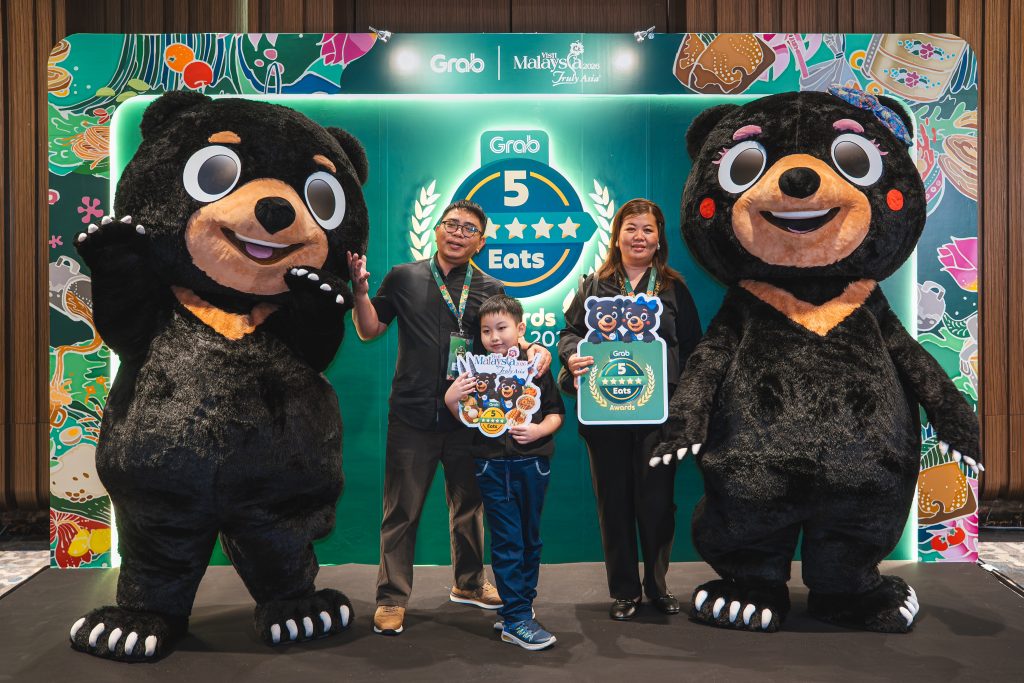 Ikan Boulu Tanpa Tulang 3 owners Norbert and Sheriane at the Grab 5-Star Eats Awards 2025.
Let the sides do the talking too
A good fish dish, however, needs more than the fish itself.
At Ikan Boulu Tanpa Tulang, the accompaniments are chosen to balance the richness of the boneless fish, bringing different flavours and textures to every bite.
Comforting clear soups and turmeric fish soup offer a lighter counterpoint, while sambal penyet brings a fiery kick.
Crunchy tempeh adds another layer of texture, while grated mango salad provides a bright, tangy freshness that cuts through the richness.
This balance also reflects the owners’ idea of what makes a meal truly Malaysian.
For them, Malaysian food is about layers — aromatic rice, well-cooked mains, fresh local sides and, perhaps most importantly, a robust sambal that brings everything together.
Different influences can sit comfortably on the same table, each adding something of its own.
And that is part of what makes Sabah’s food scene so distinctive.
Where Sabah’s flavours meet
As food business owners based in Sabah, Norbert and Sheriane see the region’s access to fresh seafood as one of its greatest culinary strengths.
But freshness is only part of the story.
Sabah’s food culture is shaped by its diverse communities and the way different culinary traditions meet, overlap and influence one another.
The result is food that is closely connected to nature — fresh, vibrant and clean — while remaining open to new combinations.
For the owners, that gives local ingredients room to shine without losing their identity.
Their boneless ikan boulu is one example of that approach: a traditional Sabahan fish prepared in a way that responds to how people eat today.
Convenience is important to modern diners, they said, but so are authentic flavours and value for money.
People want food that is easy to enjoy without compromising on quality or the traditions behind it.
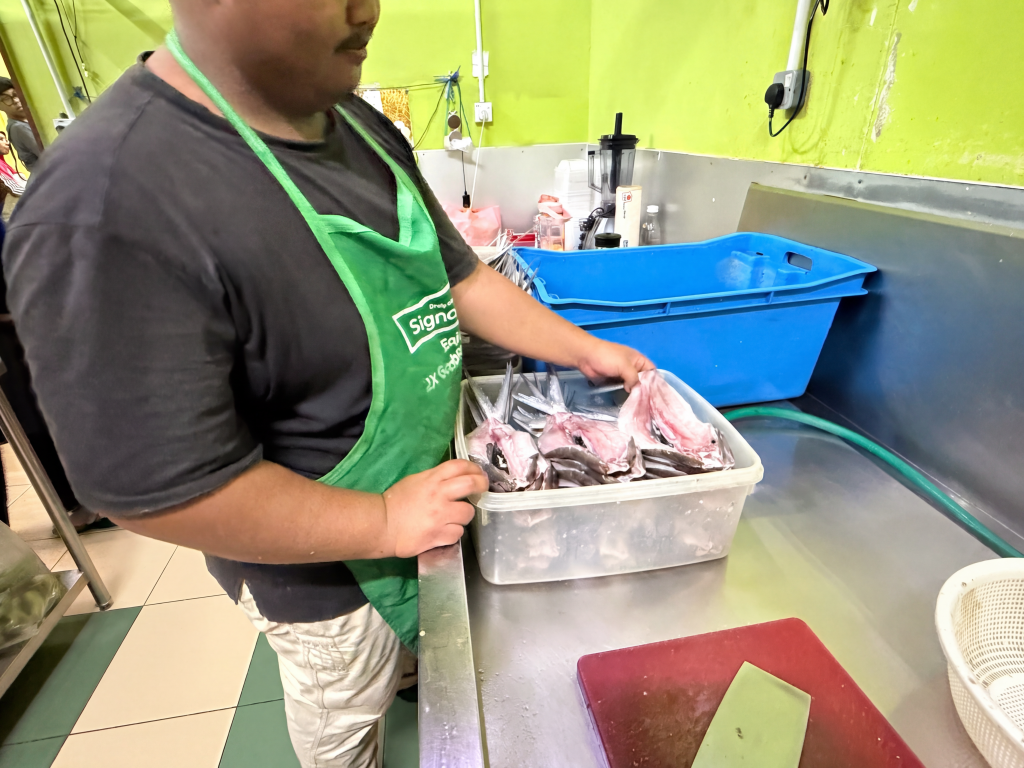 A staff member arranges the deboned ikan boulu in containers, ready for the next stage of preparation.
In their case, the hours spent painstakingly removing every tiny bone are part of that promise.
That effort received recognition when Ikan Boulu Tanpa Tulang 3 was named one of the winners of the Grab 5-Star Eats Awards 2025.
For the team, the award carried particular meaning because it reflected the voices and ratings of everyday customers.
Behind that recognition were countless hours spent preparing the fish by hand — work that diners may never see once the crisp, golden dish arrives at their table.
For Norbert and Sheriane, knowing that customers appreciated the effort made the achievement an emotional milestone.
“It has boosted our team’s morale and inspired us to keep raising our standards of quality and service,” they said.
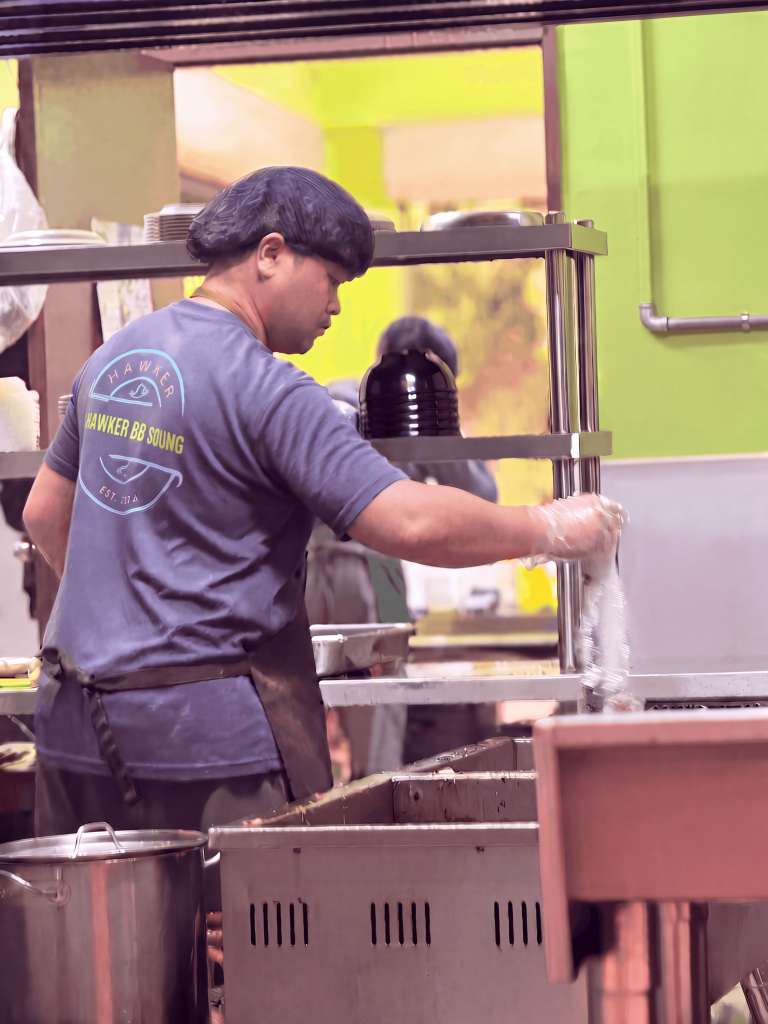 A staff member deep-fries the deboned ikan boulu until golden and crisp.
A little piece of Sabah
For the owners, the idea behind “Discover the Best of Malaysia” goes beyond finding famous dishes.
It is about uncovering regional food gems and recognising the people who work to keep local culinary traditions alive.
They hope diners who try Ikan Boulu Tanpa Tulang will discover something of Sabah through the dish — its ingredients, flavours and the care that goes into preparing them.
Because sometimes, keeping a food tradition alive does not mean leaving it exactly as it has always been.
Sometimes, it means understanding what makes people love it in the first place, removing the obstacle that keeps them from enjoying it, and letting the food speak for itself.
In the case of ikan boulu, that means all the flavour, all the heritage — and none of the bones.
For Sarawakians heading to Kota Kinabalu, this Sabahan favourite could be worth adding to the itinerary.
And if convenience is the priority, diners in Kota Kinabalu can search for “Ikan Boulu Tanpa Tulang 3” on the GrabFood app and have the award-winning boneless fish delivered to their doorstep.
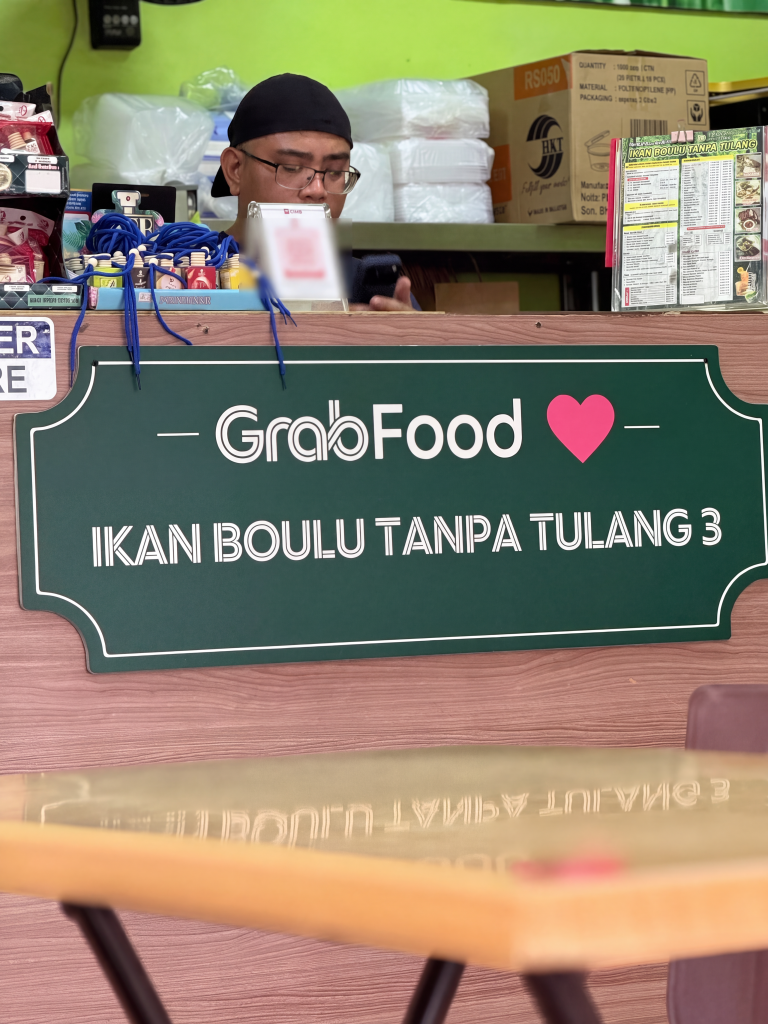 Ikan Boulu Tanpa Tulang 3 is also available on GrabFood, making its crispy, boneless speciality just a few taps away for diners in Kota Kinabalu.






 English (US) ·